
If you're posting on TikTok and not seeing the engagement you want, you're not alone. Millions of creators are stuck in the same loop: post something, wait for likes, get 50 views, and wonder why it didn’t blow up. The truth? It’s not always about the video. It’s about the caption, the hook, the timing, and the tone-all things ChatGPT can help you nail.
Stop guessing what works on TikTok
TikTok’s algorithm doesn’t reward effort. It rewards attention. And attention starts in the first three seconds-with a caption that makes people pause, a first line that makes them curious, or a question that feels personal. Most creators write captions like they’re writing a tweet. That’s why 80% of TikTok videos under 1,000 views have generic, robotic captions. ChatGPT doesn’t just write captions. It learns your style. You give it a few of your top-performing posts, and it starts mimicking your voice. Not the AI voice. Your voice. The one that makes your followers say, “This is so me.”Step-by-step: Train ChatGPT to sound like you
Here’s how to make ChatGPT your TikTok content partner:- Copy 3 of your best-performing TikTok captions (the ones with the most comments or shares).
- Paste them into ChatGPT with this prompt: “I want you to learn my writing style. Here are my top 3 TikTok captions. Analyze the tone, length, punctuation, and how I ask questions. Then write 5 new captions in the same style.”
- Look at the output. If it sounds like a robot, say: “Make it more casual. Add slang. Make it sound like I’m talking to my best friend.”
- Keep refining until it feels like you wrote it-even if you didn’t.
Once you’ve trained it, you can ask for captions in bulk. “Give me 10 captions for skincare routines targeting Gen Z.” Or “Write a caption that makes people want to save this video.” ChatGPT will give you 10 options in under 30 seconds.
Turn comments into content ideas
Your comments section is gold. People are already telling you what they want. But most creators ignore it. Here’s what to do:- Copy 10 comments from your latest video.
- Paste them into ChatGPT: “Based on these comments, what are the top 3 content ideas my audience is asking for?”
- ChatGPT will pull out patterns you missed.
Example: If 7 people say “How do you do this without breaking the bank?”-you’ve got your next 3 videos. ChatGPT can even write the script for you: “Start with ‘I spent $0 on this and got the same result as a $200 product’-then show the steps.”
One creator in Brisbane used this method to go from 2,000 to 147,000 followers in 6 weeks. She didn’t change her content. She just started answering questions her audience already asked.
Write hooks that stop the scroll
The first line of your caption is your only shot. If it doesn’t grab attention, TikTok moves on. ChatGPT can generate hooks that feel human but are engineered for engagement. Try this prompt:“Write 5 TikTok hooks for a video about meal prep for busy students. Use curiosity gaps, relatable pain points, and emotional triggers. No clichés like ‘You won’t believe this!’”
Here’s what it might spit out:
- “I used to waste $40 a week on lunch. Then I found this one trick.”
- “My roommate thought I was lying about how fast I cook. Then she saw my fridge.”
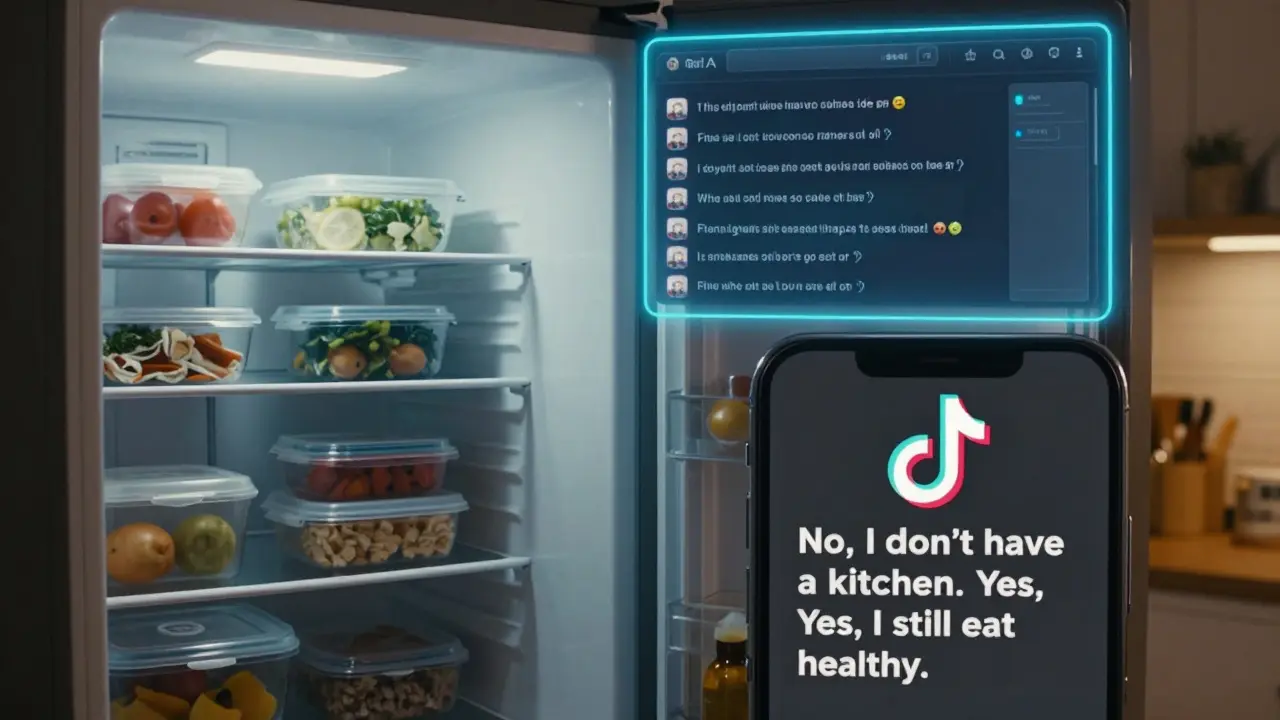
- “No, I don’t have a kitchen. Yes, I still eat healthy.”
These aren’t just clever. They’re psychological. They trigger FOMO, curiosity, and identity (“I’m a busy student too”).
Use ChatGPT to time your posts
Posting at 8 PM doesn’t guarantee views. Posting at the right time for your audience does. Ask ChatGPT: “Based on my follower demographics (ages 18-24, mostly in Australia), what are the 3 best times to post on TikTok this week?”It won’t know your exact analytics-but it knows general trends. For Gen Z in Australia, peak times are:
- 7-9 PM on weekdays (after school/work)
- 11 AM-1 PM on weekends (lazy scrolling)
- 12-2 AM on Fridays (late-night doomscrolling)
Test one time for a week. Track your average view duration. Then switch. ChatGPT can help you analyze the results too: “Here are my view counts and watch time for each posting time. Which one performed best?”
Turn trends into your own story
Trends die fast. But if you can tie them to your life, they stick. Say there’s a viral sound about “things I did in high school that I regret.” Instead of copying it, use ChatGPT to personalize it:“Write a 30-second script for a TikTok using the ‘regretful high school moments’ sound, but make it about being a single parent in Brisbane. Keep it real, funny, and not cringe.”
It might generate:
“I wore my dad’s old work boots to school because I didn’t have sneakers. Everyone laughed. Now I run a business selling them. #SingleParentLife #BrisbaneMom”
That’s not a trend. That’s a story. And stories get saved. Saved videos = algorithm love.
Don’t just post-optimize
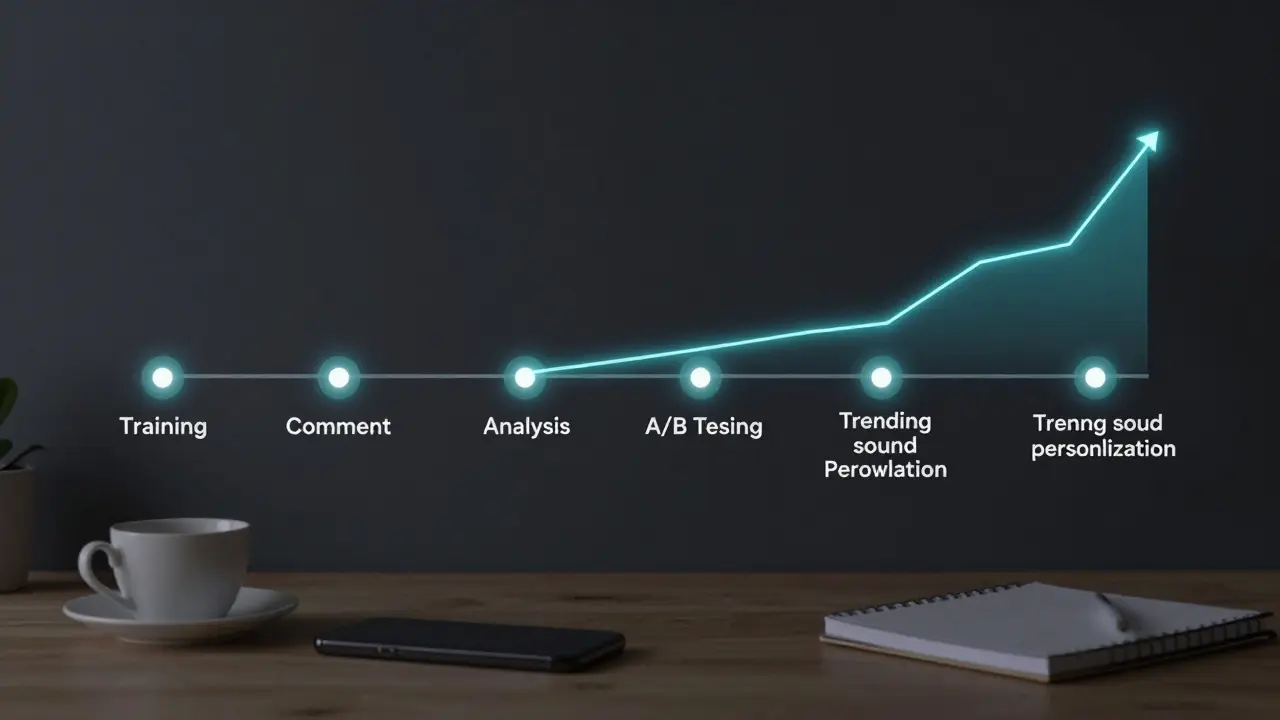
You can’t just write a caption and call it done. TikTok is a game of tiny adjustments. Use ChatGPT to A/B test your captions:- Create two versions of the same video with different captions.
- Post them 24 hours apart.
- After 2 hours, paste the view count and comment count into ChatGPT: “Which caption performed better? Why?”
It might say: “Version B has 37% more saves. The phrase ‘I did this in 5 minutes’ triggered action. Version A was too vague.”
You didn’t need to guess. You got a data-backed reason.
What ChatGPT can’t do
It won’t film your video. It won’t dance. It won’t make you funny. But it can do the heavy lifting: writing captions that feel personal, turning comments into content, finding the right tone, and spotting patterns you’re too tired to see. It’s your co-writer, your strategist, your brainstorm partner-all for free.Most creators think TikTok success is about being the loudest. It’s not. It’s about being the most relatable. ChatGPT helps you sound like the person your audience already trusts.
Start small. Stay consistent.
You don’t need to use ChatGPT for every video. Start with one caption a day. Then two. Then test hooks. Then analyze comments. In 30 days, you’ll have a system that works.One creator in Perth used this method to grow from 1,200 to 230,000 followers in 90 days. She didn’t buy ads. She didn’t hire an agency. She just asked ChatGPT one question every morning: “What should I post today?”
That’s it.
Can ChatGPT write TikTok scripts for me?
Yes. But it works best when you give it context. Provide your video’s topic, target audience, and tone. Ask for a 15-30 second script with a hook, middle, and call to action. Always tweak it to sound like you-AI voices don’t connect.
Is using ChatGPT for TikTok considered cheating?
No. It’s like using a camera or editing app. You’re still the creator. ChatGPT is a tool to help you express yourself better. The idea, the personality, the authenticity-those are still yours. The AI just helps you say it clearly.
How often should I use ChatGPT for TikTok?
Use it as often as you feel stuck. If you’re posting daily, use it to generate 1-3 caption options each morning. If you post 3 times a week, use it to plan your next 3 videos. The goal isn’t to rely on it-it’s to use it to learn what works so you eventually write better on your own.
Can ChatGPT help me find trending sounds?
Not directly. It doesn’t have live access to TikTok trends. But you can tell it: “Here’s a sound I want to use. Help me write a caption that makes it feel fresh and personal.” It’ll help you adapt trends to your voice instead of copying them.
What if ChatGPT gives me generic ideas?
That means you didn’t give it enough detail. Add specifics: your location, your audience, your past content. Instead of “write a caption about fitness,” say “write a caption about home workouts for busy nurses in Brisbane who work 12-hour shifts.” The more specific, the less generic the output.
Do I need a paid version of ChatGPT for this?
No. The free version works perfectly for TikTok caption and idea generation. You don’t need GPT-4 unless you’re doing advanced analytics. For most creators, GPT-3.5 is more than enough.
Next steps: Your 7-day challenge
Start tomorrow. Here’s your simple plan:- Day 1: Copy 3 of your best captions into ChatGPT and ask it to learn your style.
- Day 2: Ask for 5 captions for your next video. Pick the one that feels most like you.
- Day 3: Read your last 10 comments. Paste them into ChatGPT and ask for 3 content ideas.
- Day 4: Write two versions of a caption for the same video. Post them 24 hours apart.
- Day 5: Use ChatGPT to turn a trending sound into your personal story.
- Day 6: Ask ChatGPT: “What’s the best time to post for my audience?” Post at that time.
- Day 7: Review your analytics. Which post got the most saves? Why? Write down the pattern.
By day 7, you’ll know more about your audience than 90% of creators. And you didn’t spend a dollar.

Write a comment