
Stop thinking of the web as just a place to put a digital brochure. If you're still treating your website like a static business card, you're essentially invisible to 90% of your potential customers. The shift from traditional billboards and radio spots to a fully integrated online presence isn't just a trend; it's a total rewrite of how money is made. Businesses that clung to the 'old way' during the early 2020s didn't just slow down-they disappeared. Today, the game is about who can grab attention in three seconds and prove their value in ten.
Quick Takeaways
- The shift from broad casting to hyper-targeting reduces waste in ad spend.
- Direct-to-Consumer (DTC) models have removed the middleman, boosting profit margins.
- Real-time data allows businesses to pivot strategies in hours, not months.
- Customer trust is now built through social proof and community, not corporate slogans.
The Death of the Guessing Game
In the old days of marketing, you bought a billboard on a busy highway and prayed that the right people drove past it. You had no idea who actually looked at it or if it actually triggered a sale. Internet Marketing is the process of promoting a brand, product, or service using the internet and digital communication channels to reach a specific target audience. Unlike traditional media, digital channels provide a trail of breadcrumbs for every single interaction.
Imagine a local bakery in Adelaide. Instead of printing 5,000 flyers that mostly end up in the bin, they use Meta Ads is a powerful advertising platform that allows businesses to target users on Facebook and Instagram based on demographics, interests, and behavior. The bakery can target people within a 5km radius who have an interest in "sourdough" and "brunch." They can see exactly how many people clicked the "Get Directions" button and how many actually showed up. This is the move from guessing to knowing.
The Rise of the Direct-to-Consumer Revolution
For decades, a small brand had to beg a retail buyer at a big-box store to stock their product. This created a massive barrier to entry. Now, E-commerce is the buying and selling of goods and services over the internet, enabling a global marketplace without physical storefronts. Business owners can launch a store using Shopify is a complete commerce platform that lets anyone start, grow, and manage a business online. in a single afternoon and ship products worldwide.
This shift has birthed the internet marketing era of "micro-brands." You no longer need a million-dollar budget to compete. You just need a product that solves a specific problem and a way to find the people who have that problem. By cutting out the wholesale middleman, companies are seeing margins jump from 20% to 60% or more, allowing them to reinvest in better product development and faster shipping.
Turning Search Into a Sales Engine
Think about the last time you needed a plumber or a new laptop. You didn't look in the Yellow Pages; you went to a search engine. This is where Search Engine Optimization (SEO) is the practice of optimizing a website's content and structure to rank higher in search engine results pages (SERPs). comes into play. If your business isn't on the first page of results, you basically don't exist for the modern consumer.
SEO isn't about "tricking" a computer anymore. It's about providing the best answer to a user's question. For example, a law firm that writes a comprehensive guide on "How to handle a car accident claim in Australia" builds more trust than one that just lists "Best Lawyer in Adelaide" on their homepage. This shift toward value-first marketing has forced businesses to become publishers and educators rather than just salespeople.
| Feature | Traditional Marketing | Internet Marketing |
|---|---|---|
| Cost of Entry | High (Print, TV, Radio) | Low (Social Media, Email) |
| Targeting | Broad/Demographic | Behavioral/Psychographic |
| Feedback Loop | Delayed (Weeks/Months) | Instant (Real-time Analytics) |
| Customer Relationship | One-way Broadcast | Two-way Conversation |
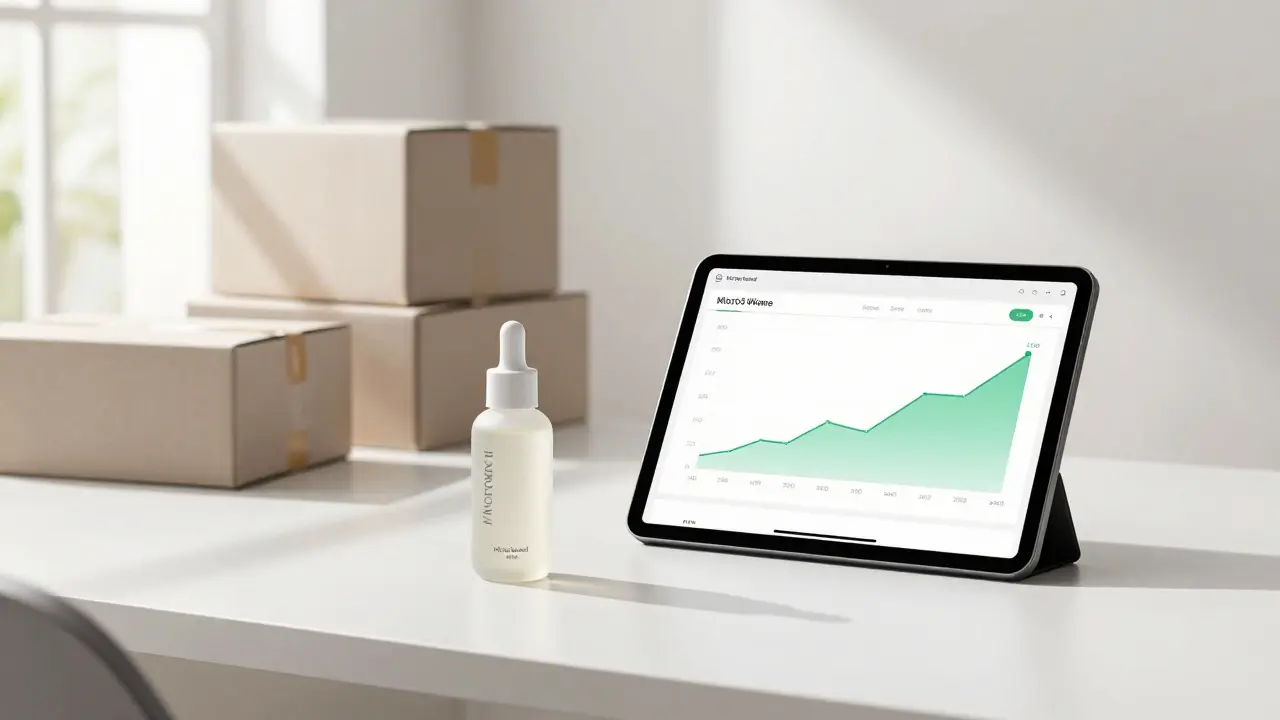
The Psychology of Social Proof and Influence
We've reached a point where a 4.2-star rating on Google is more influential than a Super Bowl ad. Consumers trust other consumers more than they trust brands. This has shifted the power dynamic. Influencer Marketing is a form of social media marketing involving endorsements and product placements from people who have a perceived expert status or celebrity following. isn't just for makeup artists and fashion models. B2B software companies now use "industry experts" on LinkedIn to validate their tools.
The magic here is "borrowed trust." When a respected voice in a niche recommends a tool, the trust is transferred to the product. This reduces the friction in the buying process. Instead of a long, cold sales pitch, the customer enters the funnel already convinced that the product works because someone they admire uses it. It’s a psychological shortcut that has accelerated sales cycles across every industry.
Data: The New Currency of Growth
The real revolution isn't the ads themselves, but the data they generate. Tools like Google Analytics is a web analytics service that tracks and reports website traffic to help businesses understand user behavior. allow companies to see exactly where people are dropping off in the buying process. If 80% of users leave the checkout page at the shipping cost step, the business knows exactly what to fix. You can't get that kind of insight from a newspaper ad.
Modern businesses are now using this data to create "personalized experiences." If you've ever seen an ad for a pair of shoes you looked at ten minutes ago, you've experienced Remarketing is a digital marketing strategy that targets users who have previously interacted with a website or app but did not complete a conversion. . This precision ensures that marketing budgets aren't wasted on people who have zero interest in the product, but are instead focused on those who are already on the fence.
The Automation Shift: Doing More with Less
We are currently seeing a massive surge in Marketing Automation is the use of software to automate repetitive marketing tasks such as email campaigns, social media posting, and lead scoring. . Small business owners who used to spend ten hours a week sending manual follow-up emails now use automated sequences. When a lead signs up for a newsletter, the system automatically sends a welcome email, a case study three days later, and a discount code on day seven.
This allows a one-person operation to look and act like a fifty-person corporation. Automation ensures that no lead falls through the cracks. It scales the "human touch" by delivering the right message at the exact moment the customer is most likely to buy. For a growing business, this is the difference between hitting a growth ceiling and scaling infinitely.
Is internet marketing expensive for small businesses?
Actually, it's usually much cheaper than traditional marketing. You can start a social media campaign with as little as $5 a day. Because you can target your audience so precisely, you don't waste money showing ads to people who will never buy from you, making the Return on Investment (ROI) much higher for tight budgets.
Do I need to be on every social media platform to succeed?
Absolutely not. The biggest mistake businesses make is spreading themselves too thin. It's better to dominate one platform where your customers actually hang out-like LinkedIn for B2B or TikTok for Gen Z-than to have five mediocre accounts that you rarely update. Focus on where your audience is most active.
How long does it take to see results from SEO?
SEO is a long game. Unlike paid ads that work instantly, SEO typically takes 3 to 6 months to show significant movement in rankings. This is because search engines need time to index your content and verify that you are a trustworthy source of information. However, the traffic you get from SEO is "free" and lasts much longer than a paid campaign.
What is the most important metric to track in digital marketing?
Avoid "vanity metrics" like likes or followers. The most important metric is the Conversion Rate-the percentage of visitors who take a desired action (like buying a product or booking a call). Tracking your Customer Acquisition Cost (CAC) against the Lifetime Value (LTV) of that customer tells you if your business is actually sustainable.
Can a business survive today without a website?
While some businesses operate solely via Instagram or Facebook shops, it's risky. You don't own those platforms; if the algorithm changes or your account is banned, you lose your entire business. A website is your "digital home" where you control the experience and the data. It's the only asset you truly own in the digital space.
Next Steps for Business Owners
If you're feeling overwhelmed, don't try to do everything at once. Start by auditing your current presence. Is your website mobile-friendly? Does it load in under three seconds? If not, fix that first. Then, choose one channel-whether it's SEO, email marketing, or social ads-and master it before moving to the next. The goal isn't to be everywhere; it's to be where your customers are, with a message that actually resonates with them.


Write a comment