
Internet marketing isn’t some mysterious tech trick only big companies can pull off. It’s just selling things online - and anyone can learn it. If you’ve ever wondered how a small bakery gets orders from people 200 miles away, or how a freelance graphic designer lands clients without a sales team, that’s internet marketing in action. It’s not about fancy tools or huge budgets. It’s about showing up where people already are, giving them something useful, and making it easy for them to say yes.
What Exactly Is Internet Marketing?
Internet marketing is the practice of promoting products, services, or brands using online channels. It includes everything from posting on Instagram to running Google ads, sending emails, or writing blog posts that attract visitors. Unlike traditional advertising - like TV commercials or billboards - internet marketing lets you track exactly who sees your message, when they click, and what they do next. That’s powerful. You’re not guessing anymore. You’re learning.
Think of it like a store. In the real world, you need a physical location, signs, and staff. Online, your store is your website. Your signs are your social media posts. Your staff is your email list and chatbots. The best part? You can run this store 24/7, and it doesn’t cost thousands to open.
The Four Pillars of Internet Marketing
You don’t need to master every tool at once. Start with these four core areas - they cover 90% of what works for beginners.
- Search Engine Optimization (SEO): This is how you get found when people search for things on Google. If someone types “best running shoes for flat feet,” and your blog post shows up on page one, you just got free traffic. SEO isn’t about tricking Google. It’s about writing clear, helpful content that answers real questions.
- Social Media Marketing: Platforms like Instagram, Facebook, TikTok, and LinkedIn aren’t just for sharing vacation photos. They’re where people hang out, ask for advice, and decide what to buy. Posting consistently - even just three times a week - builds trust. People buy from those they know, like, and trust.
- Email Marketing: This is the oldest digital tool still working. Why? Because it’s personal. When someone signs up for your email list, they’re saying, “I want to hear from you.” Send them useful tips, not just sales pitches. A simple weekly newsletter with one tip and one link can turn readers into loyal customers.
- Online Advertising: Paid ads on Google or Facebook let you reach people who aren’t looking for you yet. For example, if you sell vegan protein powder, you can show ads to people who searched for “plant-based workouts” or followed fitness pages. You pay only when someone clicks. No guesswork.
Where Should You Start?
If you’re new to this, don’t try to do everything. Pick one channel and go deep. Most beginners make the mistake of jumping between Instagram, TikTok, email, and Google Ads. That’s like trying to learn guitar, drums, and piano all in one week. Pick one.
Here’s a simple rule: Start with what you already do best.
- If you love writing - start a blog and focus on SEO.
- If you’re comfortable on camera - try short videos on TikTok or Instagram Reels.
- If you’re good at talking to people - build an email list by offering a free guide in exchange for their email.
Once you get one channel working - say, you’re getting 50 visitors a week from your blog - then add another. Growth happens in layers, not leaps.
Real Example: How a Local Handmade Soap Business Grew Online
Three years ago, a woman named Lena started selling soap from her kitchen. She had no website, no ads, no social media. Just a few jars on a table at the local farmers market.
She started by taking photos of her soaps with natural light and posting them on Instagram. Each post had a simple caption: “Lavender & honey soap - made with oat milk. 100% vegan. 12 bars left.” She didn’t post every day. Just twice a week.
Then she added a link in her bio to a simple landing page with three products, prices, and a “Buy Now” button. No fancy design. Just clear photos and a PayPal link.
After three months, she had 1,200 followers. She started an email list by offering a free downloadable guide: “5 Ingredients to Avoid in Store-Bought Soap.” 370 people signed up. She sent one email a month. Each one had a story, a tip, and one product.
Today, she makes $18,000 a month. Not because she ran ads. But because she stuck to one channel (Instagram), gave people value first, and made buying easy.
Common Mistakes Beginners Make
You’ll see a lot of “get rich quick” videos promising you’ll make $10,000 in a week with internet marketing. Ignore them. Here are the real mistakes most beginners make:
- Waiting for perfection. You don’t need a fancy website, professional photos, or a marketing degree. Start with what you have. A phone camera and a free Canva template are enough.
- Chasing trends. TikTok isn’t magic. If your product is a tax service, TikTok might not be the right place. Focus on where your customers are, not where the hype is.
- Ignoring analytics. If you post something and no one reacts, don’t just post again. Look at the numbers. Was it the time of day? The caption? The image? Small changes make big differences.
- Not building a list. Social media platforms can change their algorithms overnight. Email lists? You own them. That’s your real asset.
Tools You Actually Need (and What’s Free)
You don’t need to spend money to get started. Here’s what works for beginners:
- Website: Use Carrd or WordPress.com. Both let you build a simple site in under an hour. No coding needed.
- Email: Mailchimp has a free plan for up to 500 subscribers. Send newsletters, welcome emails, and promotions.
- Social Media: Use Buffer or Hootsuite to schedule posts. Or just do it manually - it’s fine.
- Graphics: Canva is free and easy. Use templates for social posts, email headers, and ads.
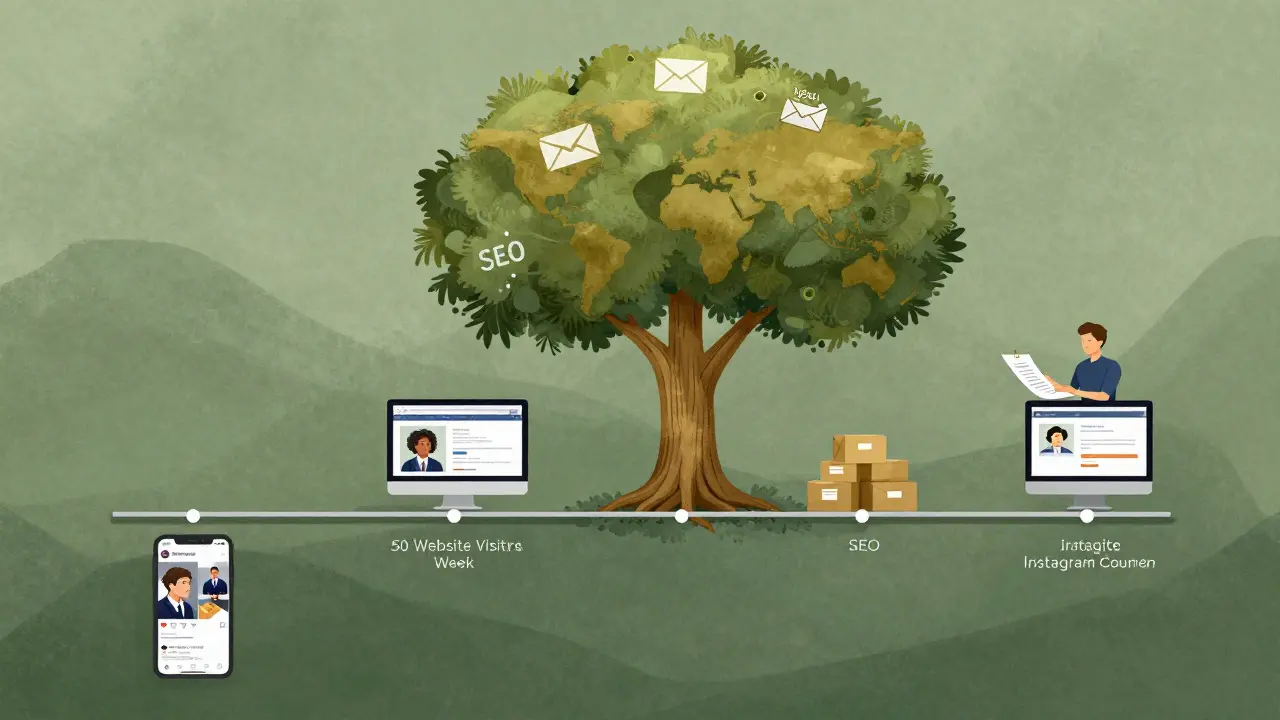
- Analytics: Google Analytics is free. It tells you where your traffic comes from. Set it up on your website. Check it once a week.
These tools cost nothing. You don’t need expensive software. You need consistency.
How to Measure Success
Success in internet marketing isn’t about how many likes you get. It’s about results that matter.
Track these three things:
- Website traffic: Are more people coming to your site each month?
- Email sign-ups: Are people giving you their emails? That’s a sign they’re interested.
- Sales or leads: Are people buying, signing up, or contacting you? This is the only number that counts.
If traffic is up but sales aren’t, your message might not match your audience. If email sign-ups are high but no one buys, your offer might need work. Adjust. Test. Repeat.
What Comes Next?
Once you’ve got one channel working - say, you’re getting 100 visitors a week from your blog - then add another. Maybe try a YouTube short. Or run a $5 Facebook ad. Or start a weekly email. Each new channel multiplies your reach.
But don’t rush. Internet marketing is a slow burn. The people who win aren’t the ones who post the most. They’re the ones who stick with it. They show up every week. They answer comments. They fix broken links. They listen to feedback.
You don’t need to be an expert. You just need to be consistent. Start small. Stay focused. Keep learning. That’s all it takes.
Do I need a website for internet marketing?
You don’t absolutely need one - you can sell through Instagram or Etsy. But having your own website gives you control. You own it. No platform can delete it. It’s also where you collect emails and track visitors. Even a simple one-page site with your name, what you offer, and a contact button is enough to start.
How long does it take to see results?
Most people see small results in 30 to 60 days. That could mean 10 new email subscribers, 5 sales, or 500 website visitors. Big results - like consistent monthly income - take 6 to 12 months. It’s not a sprint. It’s a daily habit. Post. Engage. Improve. Repeat.
Is internet marketing only for e-commerce businesses?
No. It works for anyone with something to offer - consultants, coaches, plumbers, artists, tutors, therapists. If you can help someone, you can market it online. A dentist can post tips about brushing. A yoga teacher can share short routines. A mechanic can explain common car problems. Value comes first. Sales follow.
Should I use paid ads as a beginner?
Only if you’re ready to learn. Paid ads can work, but they’re expensive if you don’t know what you’re doing. Start by building organic traffic first - through content, social media, or email. Once you understand what your audience wants, then test a $5 ad. Watch what happens. Learn from it. Don’t throw money at ads hoping for magic.
Can I do internet marketing without being on social media?
Yes. Many people succeed by focusing only on SEO and email. Write blog posts that answer questions people are searching for. Build an email list by offering a free resource. Send helpful emails. That’s it. Social media is just one channel. It’s not required.


Write a comment