
Five years ago, marketers spent hours writing email subject lines, tweaking ad copy, and brainstorming blog ideas. Today, many of those tasks take minutes-sometimes seconds-thanks to ChatGPT. It’s not just a tool that writes faster. It’s changing how brands think about messaging, personalization, and customer engagement at scale.
ChatGPT is rewriting the content game
Before ChatGPT, content teams were bottlenecked by writers. Even with a full staff, producing 20 blog posts a month felt like a stretch. Now, a single marketer can generate 50 drafts in an hour. The catch? Not every draft is ready to publish. But here’s the real shift: ChatGPT doesn’t replace writers-it multiplies their impact.
Take a small e-commerce brand selling outdoor gear. They used to hire freelance copywriters for product descriptions. Each description cost $25 and took a day to revise. With ChatGPT, they now input basic specs-material, weight, target audience-and get 10 variations in under five minutes. They pick the best one, tweak a few lines for brand voice, and publish. The result? 300 product pages updated in two weeks instead of three months.
ChatGPT learns from your examples. Feed it five high-performing emails, and it starts mimicking your tone. It doesn’t guess what works-it replicates patterns you’ve already proven. That’s why top-performing teams don’t just use AI to write. They use it to scale their best content.
Personalization at scale isn’t a fantasy anymore
Personalized marketing used to mean segmenting audiences into broad groups: “women 25-34,” “frequent buyers,” “abandoned cart users.” ChatGPT turns that into one-to-one conversations.
Imagine a fitness app sending 10,000 users a weekly progress email. Without AI, they’d get the same message: “Great job this week! Keep going.” With ChatGPT, each email references the user’s specific workout history: “You hit 80% of your reps on squats this week-your form improved 12% since last month. Try adding 5 lbs next session.”
This isn’t theoretical. A SaaS company in Austin used ChatGPT to generate personalized onboarding emails for 27,000 new users. Open rates jumped from 34% to 61%. Click-throughs increased by 47%. The AI didn’t just write better emails-it made users feel seen.
ChatGPT pulls from CRM data, past interactions, and behavioral triggers. It doesn’t need fancy integrations. Just a spreadsheet of user data and a prompt like: “Write a 120-word email thanking [Name] for signing up. Mention their interest in [Feature] and suggest one next step based on their profile.”
Ads that convert without A/B testing
Running Facebook or Google ads used to mean endless A/B tests. Headline A vs. Headline B. Image 1 vs. Image 2. Call-to-action “Buy Now” vs. “Get Started.” Each test took days. Results were noisy. Budgets bled.
Now, marketers feed ChatGPT their top-performing ad copy and ask: “Generate 50 variations using the same tone but different angles-focus on urgency, social proof, and fear of missing out.” In minutes, they get a library of high-potential options. They run three at a time. Within 48 hours, they know which ones convert. No guesswork.
A local plumbing company in Ohio used this method. They had been running the same ad for six months. After generating 50 new headlines with ChatGPT and testing the top five, their cost per lead dropped from $42 to $19. The winning headline? “Emergency plumber in 30 minutes or your next service is free.” ChatGPT didn’t invent it-it refined it using patterns from their best past ads.

Customer service that feels human
Chatbots have been around for years. Most were frustrating. “I’m sorry, I can’t help with that.” “Please visit our help center.”
ChatGPT changes that. It can read a customer’s tone, detect frustration, and respond with empathy. A user writes: “I paid for this plan and it’s still not working. I’m tired of this.” Instead of a robotic reply, ChatGPT says: “I’m really sorry you’re having this trouble. You shouldn’t have to deal with this after paying. Let me fix this for you right away.”
Companies using AI-powered support see 30-40% fewer escalations to human agents. Why? Because the AI handles the emotional part. Humans only step in for complex issues. That means lower costs and happier customers.
One travel agency in Florida automated 70% of their post-booking inquiries using ChatGPT. Questions like “Can I change my flight date?” or “What’s included in the package?” used to take 15 minutes per response. Now, it’s instant. Their customer satisfaction score rose from 3.8 to 4.6 out of 5.
SEO content that ranks without keyword stuffing
SEO used to mean stuffing keywords into every paragraph. “Best running shoes for women 2024. Buy best running shoes for women 2024. Top best running shoes for women 2024.” Google punished that. And rightly so.
ChatGPT writes for people, not search engines. Ask it: “Write a 1,200-word guide on choosing running shoes for flat feet. Include real-life examples, expert tips from podiatrists, and common mistakes.” It delivers a well-structured, natural-sounding article that answers questions Google wants to surface.
A health blog in Canada used to spend 8-10 hours writing one SEO post. Now, they use ChatGPT to draft in 45 minutes. Then, a human edits for tone, adds personal stories, and inserts real data from studies. The result? Posts rank faster. One article on “best shoes for plantar fasciitis” hit page one in 11 days. Traffic grew 220% in two months.
ChatGPT doesn’t just write content. It understands context. It knows that “plantar fasciitis” and “heel pain” are related. It links ideas logically. That’s what Google rewards now-not keyword density, but topical authority.
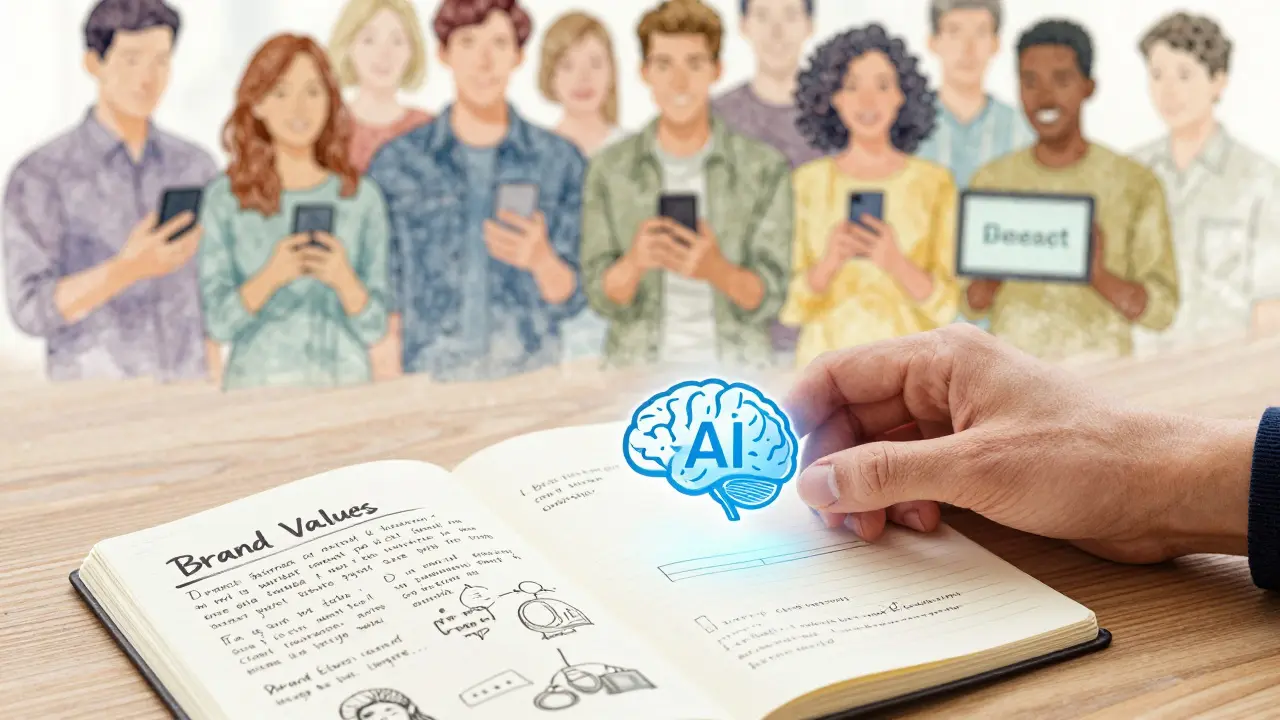
What ChatGPT can’t do (and what you still need humans for)
Let’s be clear: ChatGPT isn’t magic. It doesn’t know your brand’s soul. It can’t feel your customer’s pain. It doesn’t understand cultural nuance unless you teach it.
It can write a sales email. But it can’t sense when your audience is tired of being sold to. It can generate a blog post. But it can’t tell you if your readers are secretly looking for a community, not just information.
That’s where humans come in. The best marketers now use ChatGPT as a co-pilot. They use it to generate options, then apply intuition. They ask: “Does this sound like us?” “Would our loyal customer actually say this?” “Is this helpful-or just clever?”
One startup founder in Portland told me: “I used to think AI would replace my team. Now I know it’s replacing my boring tasks. My team gets to do what they’re good at-connecting with people.”
Getting started with ChatGPT for marketing
You don’t need to be a tech expert. Here’s how to begin:
- Start with one task: product descriptions, email subject lines, or social media captions.
- Give ChatGPT 3-5 examples of your best work. Say: “Here are three emails I love. Write five more like them.”
- Test the output. Does it sound like you? If not, tweak your prompt.
- Once it’s close, add a human edit. Fix tone, add a personal story, make it real.
- Scale. Repeat with another task.
Don’t try to automate everything at once. Start small. Let ChatGPT handle the volume. You handle the strategy.
The future isn’t AI vs. humans. It’s AI + humans.
Marketers who fight ChatGPT are already falling behind. Those who ignore it are wasting time. The winners are the ones who use it to do more of what matters: building trust, telling stories, and solving real problems.
ChatGPT doesn’t replace marketing. It just makes it faster, smarter, and more personal. The best campaigns aren’t written by machines. They’re shaped by people who know how to use them.
Can ChatGPT replace my marketing team?
No. ChatGPT handles repetitive tasks like drafting content, generating ad variations, and answering common customer questions. But it can’t build brand strategy, understand emotional nuance, or make creative decisions based on intuition. Your team’s role shifts from writing to guiding-using AI to amplify their expertise, not replace it.
Is ChatGPT better than other AI tools for marketing?
ChatGPT stands out because it’s flexible. Unlike tools built for one task-like Jasper for ads or Copy.ai for emails-ChatGPT can write blogs, emails, social posts, product descriptions, and even customer service replies. It learns from your examples, adapts to your tone, and doesn’t lock you into rigid templates. Other tools may be faster for narrow uses, but ChatGPT gives you the most control over output quality.
Do I need to pay for ChatGPT to use it for marketing?
You can start with the free version, but for serious marketing use, ChatGPT Plus ($20/month) is worth it. It gives you access to GPT-4, which is significantly better at understanding context, avoiding generic responses, and handling complex prompts. Free users often get repetitive or shallow outputs. Paid users get sharper, more brand-aligned results.
How do I train ChatGPT to sound like my brand?
Provide 3-5 real examples of your best content-emails, social posts, product pages. Then say: “Write in the same tone, style, and voice as these examples.” You can also add style notes: “Use short sentences. Avoid jargon. Sound friendly but professional.” The more examples you give, the better it learns. After a few rounds, it’ll start matching your brand without you having to rewrite every prompt.
Is using ChatGPT for marketing ethical?
Yes-if you’re transparent and honest. Using AI to generate content isn’t cheating. It’s like using a word processor instead of a typewriter. The ethical line is crossed when you pretend AI-written content is 100% human-created without disclosure, especially in paid ads or influencer posts. Always edit, add value, and make sure your messaging stays truthful. Your audience trusts you, not the tool.
Marketers who embrace ChatGPT aren’t just saving time-they’re unlocking creativity. The tool handles the grind. You handle the vision.



Write a comment