
Remember when your timeline felt like a messy but genuine stream of consciousness? Those days are gone. In 2026, scrolling through X (formerly known as Twitter) feels less like eavesdropping on real people and more like navigating a high-speed newsroom staffed by algorithms. The arrival of advanced language models, particularly ChatGPT and its successors from OpenAI, hasn't just changed how we write tweets; it has fundamentally broken the old rules of engagement.
If you are trying to grow an audience or manage a brand presence right now, you aren't competing with other humans anymore. You are competing with bots that can draft, schedule, and analyze responses faster than you can hit refresh. This shift isn't theoretical. It is happening in your feed today. Understanding this new landscape is no longer optional for marketers, creators, or even casual users who want to cut through the noise.
The Death of Organic Voice?
Let’s address the elephant in the room: authenticity. Before generative AI became mainstream, a tweet was a snapshot of someone’s immediate thought. Now, millions of posts are polished, optimized, and generated by tools like ChatGPT. For many brands, this means consistency. A company can maintain a specific tone of voice across thousands of posts without hiring a large team of copywriters.
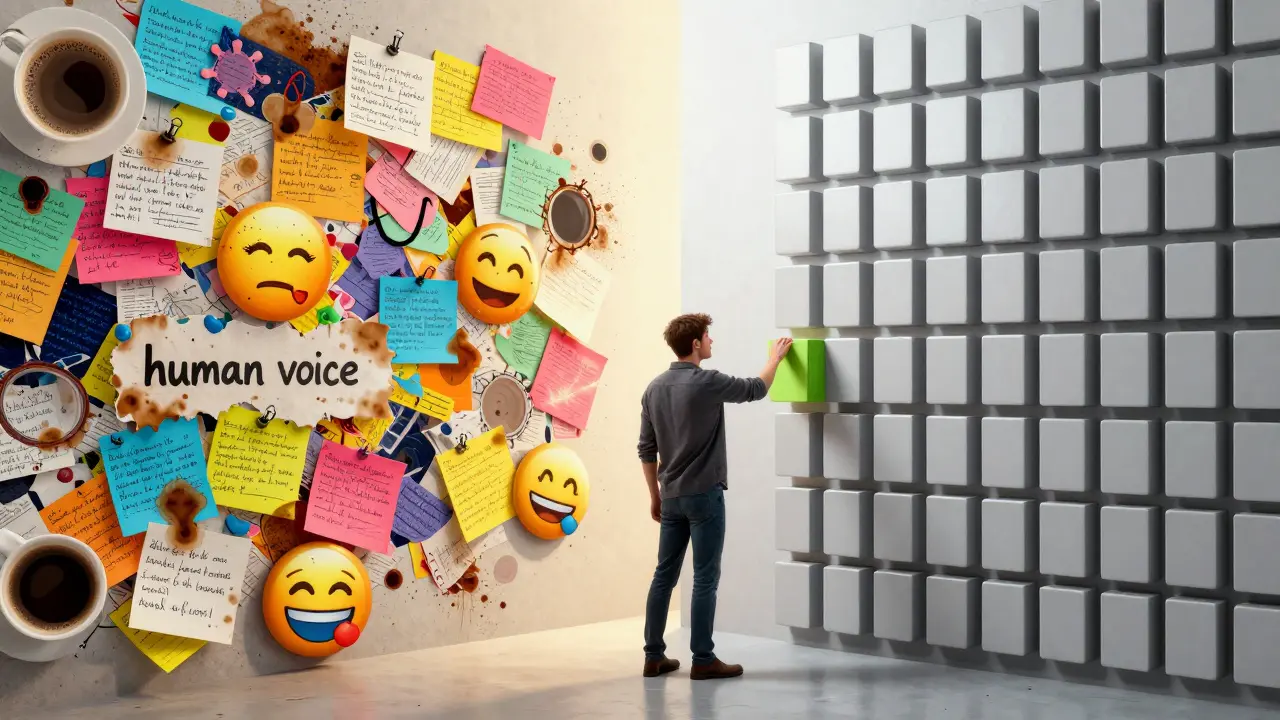
But there is a catch. When everyone uses the same powerful tools, everyone starts sounding similar. We are seeing a rise in what experts call "AI blandness"-posts that are grammatically perfect, logically sound, and utterly forgettable. They lack the typos, the slang, the raw emotion, and the cultural nuance that used to drive viral moments. If you rely solely on AI to write your captions, you risk becoming background noise in a sea of synthetic text.
Consider the difference between a human reacting to a breaking news event versus an AI summarizing it. The human might be angry, confused, or excited. The AI will be neutral, informative, and safe. On a platform built on hot takes and rapid reactions, safety often equals invisibility. The most successful accounts in 2026 are those using AI as a drafting assistant, not a replacement for their personality.
Algorithmic Shifts: From Engagement to Quality
The platform itself has adapted to this flood of automated content. Over the past two years, X has significantly tweaked its recommendation engine. In the early days of AI integration, the algorithm favored volume. If you posted ten times an hour, you got seen. Today, the system prioritizes "meaningful interactions."
This means replies matter more than likes. Threads that spark debate get pushed harder than isolated statements. More importantly, the platform is getting better at detecting low-effort, repetitive AI-generated spam. If your account behaves like a bot-posting generic advice at irregular intervals without engaging with others-it gets shadowbanned. Your reach drops silently, and you won’t know why until it’s too late.
To survive this, you need to understand the concept of "reciprocity." The algorithm rewards accounts that reply to others, quote-tweet with added value, and participate in community conversations. AI can help here, too. Tools powered by Large Language Models can now suggest relevant replies based on context, helping you engage faster. But again, the human touch is critical. A robotic reply kills momentum.
| Factor | Human-Only Approach | AI-Assisted Approach |
|---|---|---|
| Content Volume | Low to Medium (limited by time) | High (scalable output) |
| Voice Consistency | Variable (depends on mood/day) | Strictly consistent (if prompted well) |
| Authenticity Perception | High (raw, unfiltered) | Risk of appearing sterile or generic |
| Response Time | Slow (requires manual input) | Near-instant (drafting assistance) |
| Algorithmic Risk | Low (natural behavior patterns) | Medium (if over-automated) |
Customer Service: The 24/7 Revolution
Perhaps the most tangible impact of ChatGPT on X is in customer support. Brands have moved away from canned responses like "Sorry to hear that! Please DM us." Instead, they are deploying AI agents capable of handling complex queries publicly or directing them to private channels instantly.
In 2025 and 2026, major airlines, telecom providers, and tech companies integrated AI directly into their direct messaging systems. These bots can process refunds, troubleshoot login issues, and answer product questions without human intervention. For the user, this means instant gratification. No more waiting hours for a response. For the business, it slashes operational costs.
However, this creates a new vulnerability. If the AI hallucinates-if it makes up a policy or gives wrong technical advice-the backlash is immediate and public. A single bad interaction can trend negatively within minutes. Companies must implement strict guardrails and human-in-the-loop oversight for sensitive topics. Trust is fragile on social media, and AI errors erode it quickly.
The Creator Economy and Monetization
For creators, the stakes are higher. The introduction of subscription models and ad-revenue sharing on X changed the game. But with AI lowering the barrier to entry, the market is saturated. Anyone can generate a thread about "10 Productivity Hacks" in seconds. So, what sells?
Personal experience. Unique data. Behind-the-scenes access. Audiences are paying for things AI cannot fake: your specific journey, your failures, your proprietary insights. Creators who treat AI as a research assistant rather than a ghostwriter are winning. They use Generative AI to outline ideas, check facts, or translate content for global audiences, but the core value proposition remains deeply human.
We are also seeing a rise in "AI-native" creators who build entire personas around artificial intelligence. These accounts post art, code snippets, or philosophical musings generated entirely by machines. While niche, this demographic is growing rapidly among tech-savvy younger users. It challenges the definition of creativity itself.
Ethical Landmines and Misinformation
You cannot talk about AI on social media without addressing misinformation. Deepfakes and AI-generated text have made it easier than ever to spread lies. Political campaigns, corporate competitors, and malicious actors use these tools to manufacture consent or damage reputations.
In response, platforms are investing heavily in detection technologies. Watermarking for AI-generated images and text labels for synthetic content are becoming standard. However, cat-and-mouse games between detectors and generators mean false positives and negatives are common. Users must become more skeptical consumers of information. Checking sources, looking for original links, and verifying claims against multiple outlets is now a daily necessity.
From a legal standpoint, regulations are tightening. The EU’s AI Act and similar frameworks in other regions require transparency regarding AI usage. Brands that fail to disclose when a chatbot is interacting with customers may face fines. This regulatory pressure is forcing greater accountability onto both developers and platform operators.

Practical Tips for Navigating the AI Era
So, how do you operate effectively in this environment? Here are actionable strategies that work in 2026:
- Use AI for Ideation, Not Just Execution: Don’t ask ChatGPT to "write a tweet." Ask it to "give me five controversial angles on [topic]." Then, pick the best one and write it yourself. This keeps your voice intact while leveraging AI’s breadth.
- Add Visual Proof: Text is easy to fake. Photos and videos of real events, products, or faces are harder. Incorporate original media to boost credibility and algorithmic favorability.
- Engage Manually: Never automate your replies entirely. Use AI to draft suggestions, but always review and personalize them before hitting send. The algorithm detects engagement quality, not just quantity.
- Diversify Your Platform Presence: Don’t put all your eggs in the X basket. Build an email list or a community on another platform. Algorithmic changes can wipe out your reach overnight; owned audiences provide stability.
- Stay Updated on Policy Changes: Both OpenAI and X frequently update their terms of service regarding AI content. Ignorance is not an excuse. Follow official blogs and trusted industry analysts to stay compliant.
What Comes Next?
The integration of AI into social media is not slowing down. We are moving toward a future where the line between human and machine communication blurs further. Expect more personalized feeds driven by hyper-specific AI models that understand your preferences better than you do. Expect more interactive experiences where you can chat with AI avatars representing brands or celebrities.
But amidst all this technological churn, one thing remains constant: people crave connection. They want to feel understood, entertained, and inspired. AI can simulate empathy, but it cannot truly care. The winners of the next decade will be those who use technology to amplify their humanity, not replace it. Keep your finger on the pulse, stay skeptical, and never stop being authentically you.
Does X detect if I use ChatGPT to write my tweets?
Currently, X does not explicitly flag individual tweets as "written by AI" unless you choose to add a label. However, their algorithm can detect patterns associated with spammy or low-quality automated posting. If your account posts high volumes of generic, repetitive text without engaging with others, it may be deprioritized in search results and timelines. The focus is on behavior and engagement quality rather than just text origin.
Can I use ChatGPT to manage customer service on X?
Yes, many businesses use AI-powered chatbots for initial customer support on X. These bots can handle FAQs, track orders, and route complex issues to human agents. However, it is crucial to disclose that the user is interacting with a bot, especially under new regulatory guidelines. Always ensure there is an easy way for users to escalate to a human representative to maintain trust and compliance.
Will AI-generated content hurt my SEO on X?
Indirectly, yes. If your content is low-effort, duplicate, or lacks unique value because it was mass-produced by AI, the algorithm will likely reduce its visibility. X’s search functionality prioritizes recent, engaging, and authoritative content. High-quality AI-assisted content that adds genuine insight can still rank well, but purely synthetic fluff will struggle to gain traction.
How do I make my AI-written tweets sound more human?
Add personal anecdotes, use colloquial language, include emojis sparingly but naturally, and inject your unique perspective or opinion. Avoid overly formal structures and perfect grammar if it doesn't fit your brand voice. Read the draft aloud; if it sounds stiff, rewrite it. The goal is to sound like a person talking to friends, not a press release.
Is it ethical to use AI for creative writing on social media?
Ethics in this area depend on transparency and intent. Using AI as a tool to overcome writer's block or brainstorm ideas is widely accepted. However, passing off fully AI-generated work as your own original thought without disclosure can be seen as deceptive, especially if you are monetizing that content. Best practice is to view AI as a collaborator, not a substitute for your creative intellect.



Write a comment