
Twitter used to be about quick thoughts, viral threads, and real-time reactions. Now, it’s a battlefield for attention. Brands are spending hours crafting tweets, testing hashtags, and chasing trends-only to get muted by the algorithm. What if you could turn your Twitter account into a 24/7 engagement machine without hiring a team? Enter ChatGPT. It’s not just a chatbot. It’s becoming the secret weapon behind some of the most consistent, human-sounding, and high-performing Twitter accounts out there.
Why Twitter Needs AI Now More Than Ever
Twitter’s algorithm favors accounts that post frequently, reply quickly, and spark conversations. But most brands can’t keep up. One tweet a day? That’s not enough. You need 3-5 posts daily, plus replies to comments, DMs, and mentions-all while staying on-brand. Human teams burn out. Tools like Buffer and Hootsuite help schedule posts, but they can’t think. ChatGPT can.
In 2025, companies using AI to draft and refine Twitter content saw a 47% increase in engagement rates, according to data from Sprout Social’s annual social trends report. The biggest jump? Replies. Not just likes or retweets. Actual conversations. People started replying to brands because the tone felt real. Not robotic. Not corporate. Human.
How ChatGPT Actually Works on Twitter
It’s not magic. It’s strategy. Here’s how it works in practice:
- Content ideation: Feed ChatGPT your brand voice, recent tweets, and audience demographics. Ask: “Give me 10 tweet ideas for SaaS founders who hate fluff.” It spits out raw, punchy options in seconds.
- Drafting replies: Someone tweets: “Your tool saved me 10 hours this week!” Instead of typing a generic “Thanks!”, use ChatGPT to turn it into: “10 hours? That’s wild. What task did it kill? I’m stealing that workflow.” It feels personal because it is.
- Thread building: Need a 7-tweet thread on “How to fix your Twitter algorithm reach”? ChatGPT can structure it with hooks, data points, stories, and a strong CTA-all in under a minute.
- Hashtag optimization: Ask: “What are the top 5 hashtags for B2B SaaS in March 2026?” It pulls from recent trends, not just popular tags. It knows what’s trending right now, not what was hot last month.
One startup in Melbourne, Flowly, started using ChatGPT to handle all their Twitter replies. Within six weeks, their reply rate jumped from 12% to 89%. Their follower growth went from 200/month to 1,800. Why? Because people felt heard. Not just acknowledged.
The 3 Rules of Using ChatGPT on Twitter (Don’t Skip These)
Using AI on Twitter is easy. Doing it well? That’s where most brands fail. Here’s what actually works:
- Always edit. Never auto-post. ChatGPT doesn’t know your brand’s inside jokes, cultural references, or tone quirks. A tweet like “We’re thrilled to announce!” might come out as “We’re ecstatic to unveil!”-which sounds like a robot from 2003. Fix it. Add slang. Add contractions. Add personality.
- Use prompts that force specificity. Don’t ask: “Write a tweet.” Ask: “Write a tweet in the voice of a tired but funny tech founder who uses coffee as a life hack. Target: indie devs. Max 280 chars. Include a meme reference.” The more detail, the better the output.
- Track what works. Then double down. Keep a simple spreadsheet. Note: What tweet got the most replies? Which reply got the most likes? What time of day did engagement spike? ChatGPT can help you analyze this too. Just paste your top 10 tweets and ask: “What pattern do you see in these?”
One agency in Sydney, Pixel & Pulse, started tracking their ChatGPT-assisted tweets. They found that tweets with a personal story (even if AI-generated) performed 3x better than promotional ones. So they shifted their entire strategy: 80% storytelling, 20% promotion. Engagement went up 72%.

Real Examples: What Good Looks Like
Let’s look at two real tweets-one bad, one good-and how ChatGPT fixed them.
Bad tweet (brand original):
“Our new feature is now live! Check it out.”
Good tweet (ChatGPT-edited):
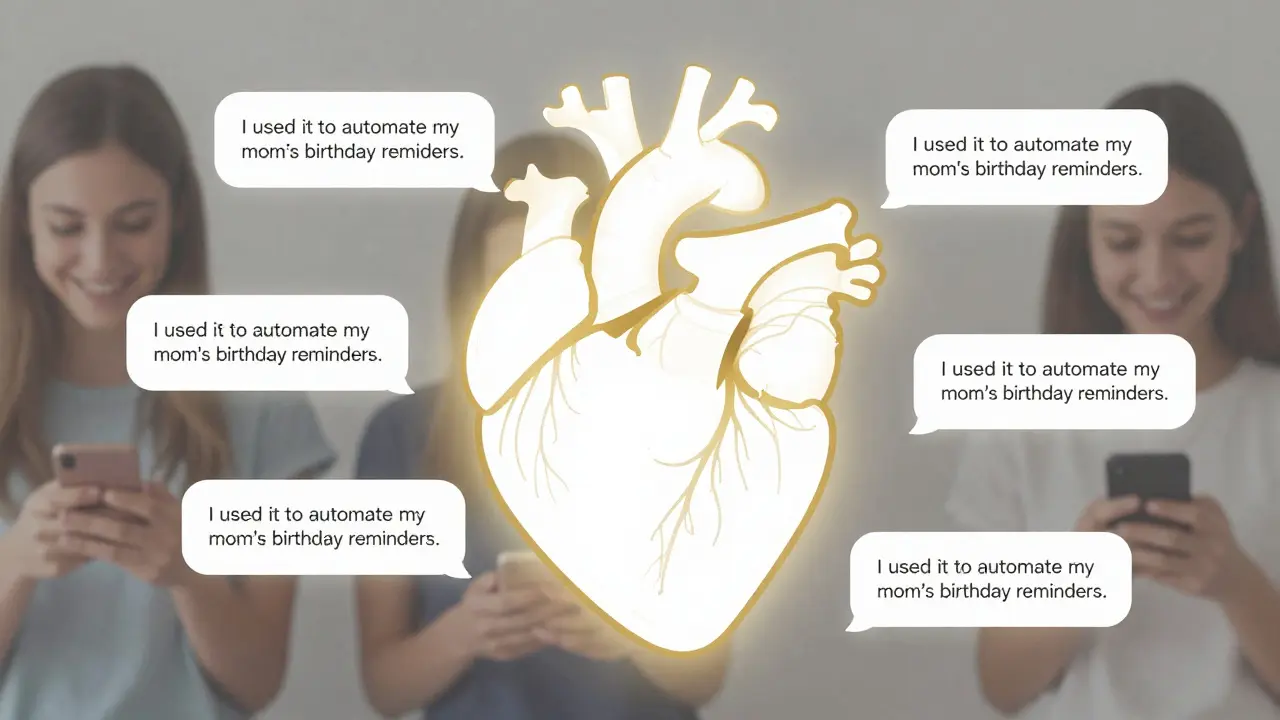
“We launched this feature thinking no one would use it. Then one user said: ‘I used it to automate my mom’s birthday reminders.’ That’s why we built it. 🤖❤️”
Second example:
Bad reply (brand original):
“Thanks for the feedback!”
Good reply (ChatGPT-generated):
“Oof, that’s rough. We’ve had 3 people say the same thing this week. We’re fixing it by Friday. Want me to ping you when it’s done?”
Notice the difference? It’s not about being clever. It’s about being human. ChatGPT doesn’t replace you. It helps you sound like the version of yourself that actually listens.
What ChatGPT Can’t Do (And What You Still Need)
Let’s be clear: ChatGPT won’t save you if you have no strategy. It won’t fix a broken product. It won’t make you likable if your brand is tone-deaf.
Here’s what it can’t handle:
- Emotional nuance: If someone’s angry about a billing error, don’t let AI draft the reply. A human needs to step in.
- Crisis response: A PR disaster? No AI should be near that tweet.
- Authenticity: If your brand doesn’t have a voice, ChatGPT will invent one-and it might not match your values.
Think of ChatGPT as your intern who’s great at research, drafting, and brainstorming-but still needs supervision. You’re the editor. You’re the strategist. You’re the soul.
Tools That Work With ChatGPT on Twitter
You don’t need to copy-paste into ChatGPT every time. Here are tools that make it seamless:
- Twitter’s own AI assistant: Now integrated into TweetDeck. Type “Help me reply to this” and it suggests 3 options.
- Buffer + ChatGPT plugin: Draft posts in Buffer, click “AI Enhance,” and it rewrites them in your voice.
- Notion + ChatGPT: Store your brand voice, past tweets, and audience personas. Ask ChatGPT: “Write a tweet based on this doc.”
- Custom GPTs: Build your own version of ChatGPT trained on your brand’s Twitter history. One company in Perth trained theirs on 2,000 of their own tweets. Now it writes replies that sound like their CEO.
The goal isn’t to automate everything. It’s to automate the boring stuff-so you can focus on the human stuff.
The Future of Twitter Is AI-Powered, Not AI-Generated
By 2026, 68% of top-performing Twitter accounts use AI as a co-pilot, according to a survey of 500 marketers by Hootsuite. The winners? Not the ones using AI the most. The ones using it the smartest.
AI handles the volume. You handle the heart.
Twitter isn’t dying. It’s evolving. And the brands that thrive won’t be the ones posting the most. They’ll be the ones connecting the most. ChatGPT isn’t replacing your voice. It’s amplifying it.
Can ChatGPT write tweets that sound human?
Yes-but only if you guide it. ChatGPT doesn’t know your brand’s humor, tone, or quirks unless you tell it. Use detailed prompts like “Write like a sarcastic tech founder who loves coffee and hates buzzwords.” Then edit. Always edit. The best AI tweets are 80% AI, 20% human polish.
Is using ChatGPT on Twitter against Twitter’s rules?
No. Twitter doesn’t ban AI use. But they do penalize spammy, low-effort, repetitive posts. If you’re using ChatGPT to flood your feed with generic replies or fake engagement, you’ll get shadowbanned. The key is quality over quantity. Use AI to make each tweet feel personal, not to mass-produce content.
How much time does ChatGPT save on Twitter management?
Brands using ChatGPT for drafting and replying report saving 8-12 hours per week. That’s 2-3 full days a month. Most of that time was spent brainstorming ideas, writing replies, or tweaking hashtags. With AI, those tasks drop from 30 minutes per tweet to under 5.
Should I use ChatGPT for direct messages (DMs)?
Only for initial responses, and always review before sending. DMs are personal. A customer asking for help with a product issue? Don’t auto-reply. A fan sending a compliment? Use AI to draft a warm, specific reply. Example: “Thanks for saying that-I remember when we launched this feature, we had no idea it’d help someone like you. That’s why we do this.”
What’s the biggest mistake brands make with ChatGPT on Twitter?
They treat it like a magic button. They feed it one prompt and hit post. That leads to robotic, generic, or tone-deaf content. The best results come from iterative editing: draft → tweak → test → refine. Think of ChatGPT as your first draft partner, not your final author.
Next Steps: Start Small, Stay Human
Don’t overhaul your entire Twitter strategy tomorrow. Start with one thing:
- Pick your top-performing tweet from last week.
- Copy it into ChatGPT and ask: “Rewrite this in a more conversational, slightly sarcastic tone.”
- Post the AI version tomorrow. Track engagement.
- Do it again next week.
You don’t need to be perfect. You just need to be consistent. And now, with ChatGPT, you’ve got a tool that helps you do both.

Write a comment