
Businesses that still think online marketing is just about posting on Facebook or running Google Ads are already falling behind. In 2025, online marketing isn’t a channel-it’s the entire operating system of how companies grow, connect, and survive. The tools have changed. The expectations have changed. And the people buying? They’re not waiting for ads anymore-they’re hunting for solutions, and they expect brands to know them before they even type a search.
Online marketing is now a conversation, not a broadcast
Five years ago, you could blast the same message to 100,000 people and call it a campaign. Today, that approach doesn’t just fail-it hurts. Consumers see through generic content. They’ve been tracked, targeted, and retargeted so often they’ve learned to tune it out. The winners in 2025 aren’t the ones with the biggest ad budgets. They’re the ones who listen.
Take a small Australian bakery in Brisbane. Instead of running banner ads, they started using Instagram Stories to ask customers: “What’s your favorite pastry you wish we made?” Within two weeks, they got 300 replies. One answer kept coming up: matcha croissant. They tested it. Sold 200 in the first weekend. Then they used that same data to build a personalized email sequence for people who liked matcha-flavored posts. Sales jumped 47% in 30 days. That’s not luck. That’s listening at scale.
Online marketing today means using tools that track behavior, interpret intent, and respond in real time. It’s not about pushing product. It’s about understanding context-what someone did before they clicked, what they searched for last week, even what time of day they’re most active. The best platforms now auto-adjust messaging based on these signals. Your message to a busy parent at 7 PM is different than your message to a college student at 11 PM. And the tools know it.
AI isn’t replacing marketers-it’s giving them superpowers
You hear a lot about AI replacing jobs. But in marketing, it’s doing the opposite. It’s taking over the boring, repetitive stuff so humans can focus on what actually matters: creativity, empathy, and strategy.
AI-powered tools now write subject lines that outperform human ones by 32%, on average. They predict which customers are about to churn before they even think about leaving. They analyze thousands of customer service chats and surface the top three reasons people cancel subscriptions. Marketers used to guess. Now they know.
One SaaS company in Melbourne cut its customer acquisition cost by 41% last year-not by spending less, but by using AI to find the exact type of person who stayed longer and spent more. The AI didn’t pick the “ideal customer” based on age or job title. It found patterns in how people interacted with their free trial: which pages they clicked, how long they watched tutorial videos, whether they opened emails after the third day. That’s the kind of insight no focus group could give you.
AI doesn’t write your brand voice. You do. But it tells you which words, tones, and visuals get the best response from your actual audience. That’s not magic. That’s math-with heart.
Personalization isn’t optional-it’s the baseline
Personalization used to mean putting someone’s name in an email. Now, it means showing them a product they didn’t know they needed, based on what they bought last month, what their friends liked, and the weather in their city.
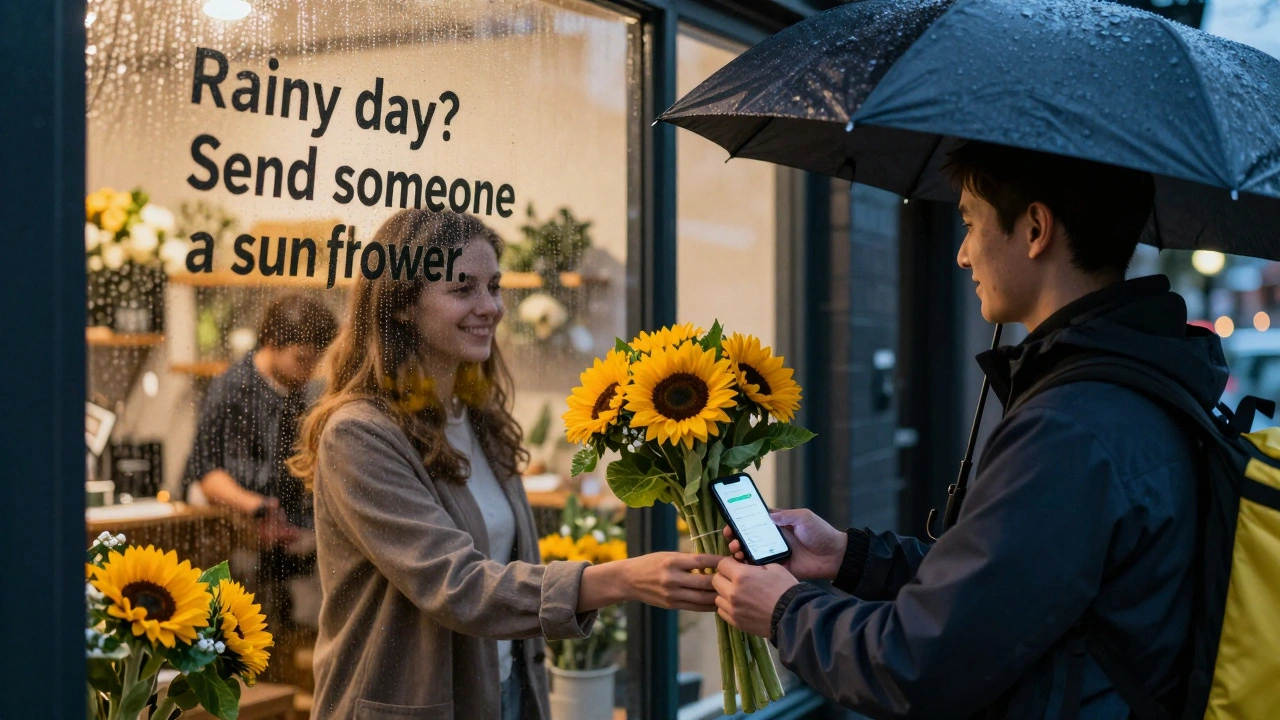
Amazon built the playbook: “Customers who bought this also bought…” But now, even local florists are doing it. A shop in Sydney uses location data and weather APIs. If it’s raining in the northern suburbs, they auto-send a message to people who bought flowers in the past: “Rainy day? Send someone a sunflower. We’ll deliver it today.” Conversion rate? Up 68%.
Personalization works because it feels like care, not manipulation. People don’t mind being understood-they mind being sold to. The difference is subtle but huge. If your marketing feels like a one-size-fits-all brochure, you’re already losing.
Start small. Use your email platform’s segmentation tools. Group customers by purchase history, not just demographics. Test sending different content to people who bought once versus those who bought three times. Track what sticks. You don’t need a team of data scientists. You just need to care enough to pay attention.
Automation saves time-but only if it’s smart
Automation isn’t about sending more emails. It’s about sending the right email at the right time, without you lifting a finger.
Think of it like a GPS. You set the destination. The system figures out the route. If you set your automation to send a discount code to everyone who abandoned their cart, you’re setting a bad route. Most people abandon carts because they’re unsure, not because they want a deal. A better path? Send a helpful video showing how to use the product. Then, two days later, offer a free consultation. That’s not spam. That’s support.
Top-performing businesses use automation to nurture, not nag. They build sequences that respond to behavior: opened an email? Send a deeper dive. Clicked a product link but didn’t buy? Send a testimonial from someone like them. Didn’t open anything in 30 days? Send a simple “We miss you” note with no offer at all.
Automation tools like HubSpot, Klaviyo, and ActiveCampaign make this easy. But the strategy? That’s yours. The goal isn’t to automate everything. It’s to automate the predictable parts so you can focus on the human ones.
Video and voice are the new text
People aren’t reading blogs like they used to. They’re watching. They’re listening. In 2025, 73% of B2B buyers say they prefer video content over written guides when researching solutions.
Short-form video isn’t just for TikTok anymore. It’s in emails, on landing pages, inside product pages. A SaaS company in Adelaide replaced its 1,200-word onboarding guide with a 90-second video. Support tickets dropped 55%. Why? Because people learn by seeing, not by scrolling.
Voice search is growing fast too. More than 40% of searches now happen through smart speakers or voice assistants. That means your SEO strategy needs to change. Instead of targeting “best CRM software,” you need to optimize for “what’s the easiest CRM for a small team?” Questions, not keywords.
You don’t need Hollywood production. A phone, natural lighting, and a clear message are enough. Record yourself answering the top three questions your customers ask. Upload them. That’s your new content engine.
Trust is the new currency
Everyone can buy traffic. But no one can buy trust. And in 2025, trust is the only thing that keeps customers coming back.
Transparency matters more than ever. People want to know where your product comes from, how it’s made, who’s behind the brand. A clothing brand in Perth started sharing behind-the-scenes videos of their ethical factory in Vietnam. They didn’t hide the fact that it wasn’t perfect. They showed the challenges. Sales didn’t just grow-they exploded. Why? Because people connected with honesty, not polish.
Reviews and user-generated content are now the #1 influencer. 89% of buyers read reviews before purchasing. But fake reviews? They’re easier to spot than ever. Tools can detect bot-written praise. The brands winning are the ones encouraging real stories-good and bad.
Ask customers to share their experiences. Feature them. Respond to negative feedback publicly. Show you’re listening. That’s not PR. That’s how you build a brand that lasts.
What to do next
If you’re feeling overwhelmed, start here:
- Look at your last 100 customers. What do they have in common beyond age or location? Look at behavior, not demographics.
- Pick one automation flow you can improve. Maybe it’s your welcome email sequence. Make it more helpful, less salesy.
- Record one short video answering a question your customers ask often. Put it on your website.
- Reach out to five past customers. Ask them: “What made you choose us?” Write down their answers. Use them in your next campaign.
You don’t need a bigger budget. You need a better strategy. The future of business isn’t about being everywhere. It’s about being meaningful where it matters.
Is online marketing still worth it for small businesses?
Yes-more than ever. Small businesses that use online marketing effectively can reach global audiences without the cost of physical stores or TV ads. Tools like Meta Ads, Google Local Services, and email automation let you target hyper-specific audiences with tiny budgets. One Brisbane café grew its customer base by 200% in six months using only Instagram Reels and Google Business Profile. The key isn’t spending more-it’s being precise.
How much should I spend on online marketing?
There’s no fixed number, but most profitable small businesses spend between 5% and 12% of their revenue on marketing. If you’re just starting, begin with $100-$300 a month on targeted ads and email tools. Track what brings in real sales, not just clicks. Reinvest what works. Most businesses waste money by chasing vanity metrics like likes or followers. Focus on conversions and customer lifetime value instead.
Do I need to use AI in my marketing?
You don’t have to build AI tools, but you should use them. AI-powered features are now built into most marketing platforms-email subject line suggestions, customer segmentation, ad optimization. You don’t need to be a tech expert. Just turn on the AI features your tools offer. For example, Klaviyo’s predictive analytics can tell you who’s likely to buy next. That’s free insight you’re already paying for.
What’s the biggest mistake businesses make with online marketing?
Trying to be everywhere at once. Posting on every social platform, running ads on every channel, sending emails every day. That’s not strategy-that’s noise. The best marketers focus on two or three channels where their audience actually is. Then they do those things really well. One coffee roaster in Melbourne only uses Instagram and email. They post twice a week. Their open rates are 62%. They don’t need to be on TikTok to win.
How do I measure if my online marketing is working?
Stop looking at likes and shares. Look at sales. Track how many customers came from each campaign. Use free tools like Google Analytics or Meta Pixel to see where your revenue comes from. If you’re spending $100 and making $500 in sales, you’re winning. If you’re spending $100 and getting 1,000 likes but no sales, you’re wasting time. Profit, not popularity, is the real metric.



Write a comment