
Most small businesses think online marketing is just posting on Instagram or running a Google Ad. That’s like thinking a car works because it has wheels. You can have the fanciest wheels, but if the engine’s broken, you’re not going anywhere. Real online marketing? It’s a system. And if you’re not building one, you’re leaving money on the table-every single day.
What Online Marketing Actually Does
Online marketing isn’t about being everywhere at once. It’s about being where your customers are-and saying the right thing at the right time. In 2026, over 87% of Australian small businesses that grew over 30% in a year used a coordinated online marketing plan. Not random posts. Not a one-off sale. A plan.
Think of it like fishing. You don’t throw bait everywhere and hope for the best. You find where the fish are, use the right lure, and wait for the right tide. Online marketing works the same way. You need to know who your customer is, what they care about, and how they find solutions. Then you show up exactly there.
The Four Pillars of Real Online Marketing
Forget the buzzwords. Real growth comes from four solid pieces that work together:
- Clear messaging - People don’t buy products. They buy solutions to problems. If your website says “We sell CRM software,” you’re already losing. Say “Stop losing clients because you forget to follow up.” That’s a problem people feel.
- Targeted traffic - Getting 10,000 visitors who don’t care won’t help. Getting 200 visitors who are actively searching for your solution? That’s gold. Use Google Search Console and Meta Insights to see where your real traffic comes from.
- Conversion paths - Every visitor needs a next step. A free checklist. A 10-minute demo. A WhatsApp chat. If your site ends at “Buy Now,” you’re missing 90% of the opportunity. Most buyers need 5-7 touches before they commit.
- Follow-up systems - If you don’t capture emails or phone numbers, you’re throwing away customers. Email open rates for small businesses in Australia average 42%. That’s not bad. But if you’re not using it, you’re leaving $3 for every $1 you spend.
Where Most Businesses Fail (And How to Fix It)
I’ve seen too many owners spend $2,000 on Facebook ads, get 50 clicks, and say, “It didn’t work.” Then they quit. But here’s the truth: Facebook ads don’t fail. Strategy fails.
Here’s what usually goes wrong:
- They target “people interested in fitness” instead of “women in Perth aged 35-45 who’ve bought yoga mats in the last 90 days.”
- They send traffic to their homepage instead of a landing page with one clear offer.
- They don’t track what happens after someone clicks. Did they sign up? Did they call? Did they leave? No data = no improvement.
Fix it by starting small. Pick one channel. One offer. One audience. Test it for 30 days. Measure everything. Then double down on what works.
Tools That Actually Work in 2026
You don’t need every tool on the market. You need a few that do the job without wasting your time.
| Tool | Purpose | Cost (AUD/month) |
|---|---|---|
| Google Business Profile | Get found in local searches | $0 |
| Mailchimp | Send emails to customers | $13 |
| Canva | Create social posts and ads | $12.99 |
| Meta Business Suite | Manage Facebook and Instagram ads | $0 |
| Hotjar | See how people use your website | $39 |
Start with the free ones. Google Business Profile alone can bring you 20-40 new customers a month if you’re in a local service business-like plumbing, hairdressing, or accounting. And it costs nothing.
Real Results from Real Businesses
A bakery in Fremantle was making $8,000 a month. They spent $500 on Instagram ads targeting “people who like cake.” Result? 300 clicks. One sale.
They changed their approach:
- Targeted “mums in Perth suburbs looking for birthday cakes for kids under 10”
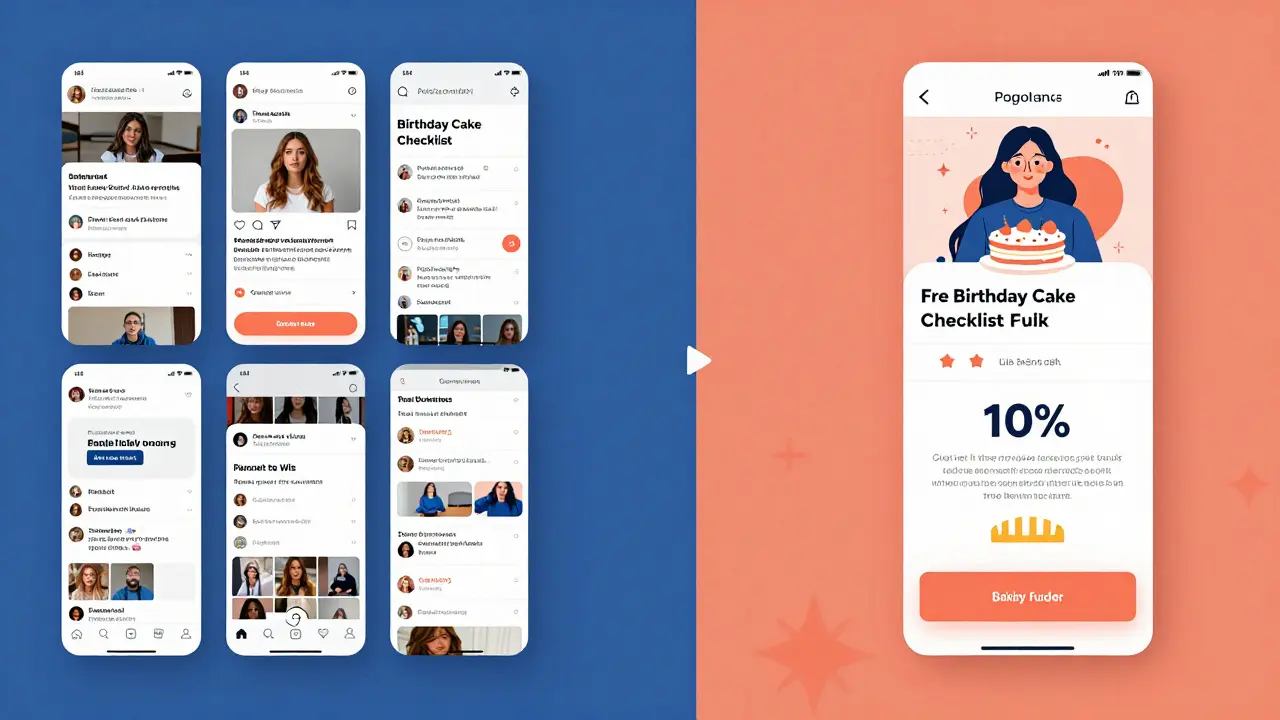
- Created a free downloadable “Birthday Cake Checklist” in exchange for emails
- Used email sequences to offer a 10% discount for first-time buyers
Three months later? $22,000 a month. All from one small shift in strategy.
Another example: a Perth-based HVAC company. They didn’t run ads. They started writing blog posts like “Why Your Aircon Is Making That Noise (And How to Fix It Without Calling a Pro).” They ranked on Google. Got 1,200 visitors a month. Converted 8% into service bookings. That’s 96 new customers a year. All from one blog post.
Your Next 30 Days: Simple Action Plan
You don’t need a marketing team. You don’t need a big budget. You need to start.
- Claim your Google Business Profile - If you don’t have one, you’re invisible to local search. Add photos, hours, services. Respond to every review.
- Write one piece of helpful content - Answer a question your customers ask all the time. Put it on your website. Share it on Facebook.
- Set up one email capture - Use Mailchimp or Brevo. Offer a free PDF, checklist, or discount. Collect emails. Then send one email a week.
That’s it. Three steps. No fancy software. No consultants. Just action.
Why This Works in 2026
People are tired of ads. They’re tired of being sold to. But they’re not tired of getting help. Online marketing today isn’t about shouting louder. It’s about being the quiet voice that says, “I know what you’re going through. Here’s how to fix it.”
The businesses winning right now aren’t the ones with the biggest budgets. They’re the ones who listened. Who understood their customer. Who showed up with value-not a sales pitch.
Stop chasing trends. Start building systems. The money’s not in going viral. It’s in being reliable.
Do I need to be on TikTok for online marketing to work?
No. TikTok is great for some businesses-like fashion, beauty, or food-but if your customers are 50-year-old accountants or tradies, you’re wasting time. Focus on where your buyers actually are. Check your Google Analytics or Meta Insights. Don’t guess.
How long until I see results from online marketing?
It depends. If you’re running paid ads, you might see leads in days. If you’re building organic traffic through blogs or SEO, it takes 3-6 months. But here’s the thing: paid traffic stops when you stop paying. Organic traffic keeps growing. That’s why long-term success comes from content, not ads.
Is email marketing still worth it in 2026?
Yes-more than ever. The average return on investment for email marketing is $36 for every $1 spent. That’s higher than any other channel. People still open emails. They still buy from them. The key? Send useful stuff. Not just “Buy now!” emails. Tips, stories, updates. Build trust first.
What’s the biggest mistake small businesses make?
Trying to do everything at once. Posting on 5 platforms. Running 3 ad campaigns. Sending daily emails. That’s not strategy-that’s chaos. Pick one channel. One message. One goal. Master it. Then add the next. Slow wins the race.
Should I hire a marketing agency?
Only if you’ve tried doing it yourself first. Many agencies charge $3,000 a month and just run ads you could run yourself. Learn the basics. Use free tools. Run small tests. If you’re still stuck after 6 months, then hire help. But don’t outsource your understanding.
What to Do Next
If you’re reading this, you’re already ahead of 90% of business owners. Most never even ask the question. Now you know what matters. The next step is simple: start.
Open your Google Business Profile right now. Add your business name, address, phone. Upload a photo. Done. That’s one win.
Then pick one thing from this article. One tool. One tactic. One message. Do it this week. Not next month. Not when you have more time. Do it now.
Online marketing isn’t magic. It’s mechanics. And mechanics? They’re learnable. Repeatable. Scalable. You don’t need to be an expert. You just need to start.


Write a comment