
Most businesses think digital marketing is just about running ads or posting on social media. But that’s like thinking a car is just for driving to the store. The real power? It’s the engine behind how companies now invent new products, redesign services, and even change their entire business models - all because of what they learn from real-time customer data.
It’s Not About Channels, It’s About Feedback Loops
Think about how companies used to test new ideas. You’d spend months developing a product, then launch it and hope people liked it. If they didn’t? Too bad. Now, digital marketing turns every campaign into a live experiment. A clothing brand doesn’t just run a Facebook ad for a new jacket. It tests five different styles, three price points, and two messaging tones across three regions - all in one week. The data tells them which version gets the most clicks, which one converts, and which one gets returned the most. That feedback doesn’t just help them adjust the ad. It tells them what to design next.
That’s innovation. Not in a lab. Not in a boardroom. In the hands of real customers.
From Guesswork to Real-Time Decision Making
Before digital tools, marketing teams relied on surveys, focus groups, and quarterly sales reports. Slow. Outdated. Often wrong. Today, a small e-commerce store can track how long someone hovers over a product image, whether they scroll to the reviews, and if they abandon their cart after seeing shipping costs. That’s not just analytics. That’s a live conversation with your audience.
One coffee subscription service noticed people were clicking on their “organic blend” ad but never buying. Instead of guessing why, they ran a simple A/B test: they changed the ad copy from “100% Organic” to “Tastes Better Than Your Local Café.” Click-throughs jumped 42%. Sales followed. They didn’t need a market research firm. They just listened.
That’s the shift: from asking customers what they want, to watching what they actually do.
Personalization Isn’t Just a Feature - It’s a Product Engine
Netflix didn’t become a giant by making more shows. They made better ones - because they knew exactly what people watched, when they stopped, and what they rewatched. Digital marketing tools let even small businesses do this. A skincare brand uses retargeting pixels to see which customers clicked on their vitamin C serum but didn’t buy. Then they send them a personalized email with a video showing how it works on skin types like theirs. The result? A 3x increase in conversion.
But here’s the innovation part: they used that same data to design a new product line. Customers who bought the serum also clicked on “anti-pollution” content. So they launched a daily mist with urban defense ingredients. No focus groups. No guesswork. Just data. And it became their fastest-growing product in six months.
Automation Isn’t Replacing People - It’s Freeing Them to Create
People think automation means robots taking over. But in practice, it’s about removing the boring stuff so humans can focus on what matters. A local gym used to spend 20 hours a week manually sending follow-up emails to trial members. Now, their CRM auto-sends personalized messages based on workout habits: if someone skipped leg day for three weeks, they get a message with a new leg routine. If they logged five workouts in a row? They get a badge and a free protein bar.
That’s not just marketing. That’s customer experience design. And the team that used to be stuck in email queues? Now they’re redesigning class schedules, testing new equipment, and interviewing members for feedback. Automation didn’t replace them. It gave them room to innovate.
The Rise of Customer-Led Innovation
Look at how companies like Glossier and Allbirds grew. They didn’t start with a product. They started with a community. Glossier built its first products from comments on a beauty blog. Allbirds used customer feedback to swap out synthetic materials for wool and eucalyptus fiber - because users kept asking for something more sustainable.
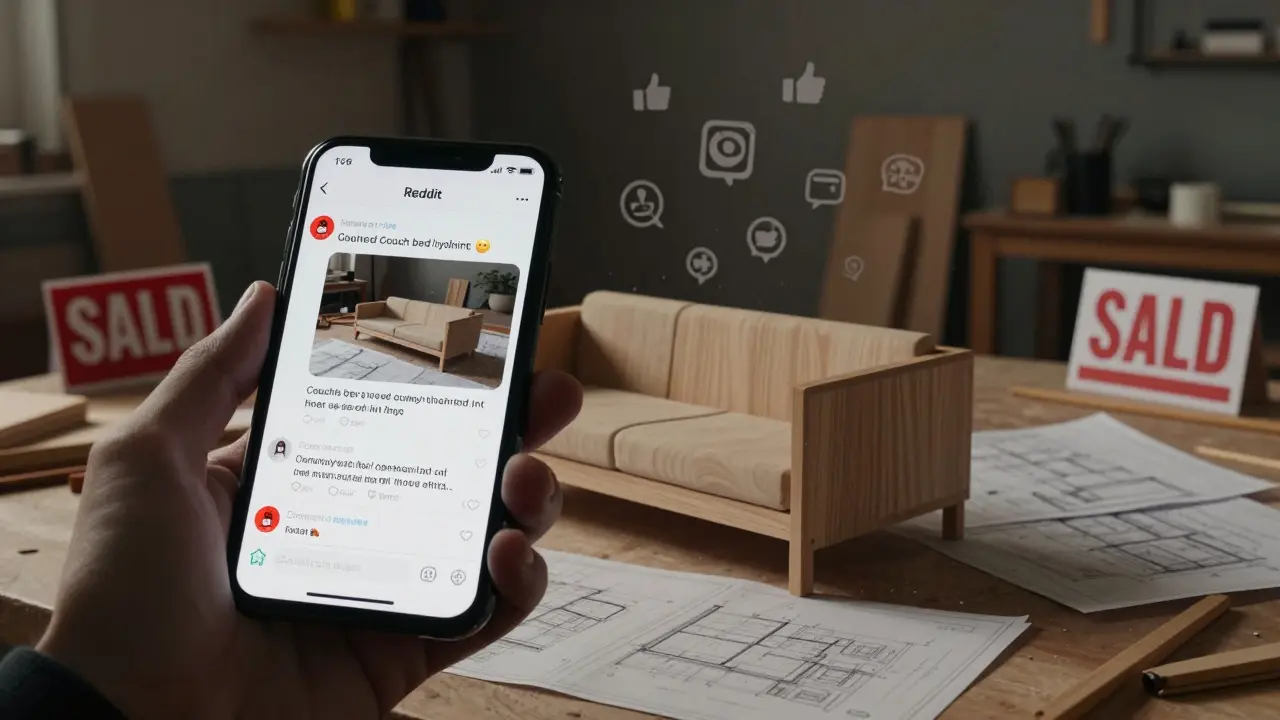
Digital marketing made this possible. Social listening tools, comment analysis, chatbot conversations, and review mining let brands hear what customers say - even when they’re not buying. One furniture startup noticed dozens of people on Reddit asking for a couch that could double as a bed. They didn’t have a product for that. So they built one. In 14 days. Launched it as a limited run. Sold out in 36 hours. Now it’s their best-selling item.
This isn’t luck. It’s digital marketing turned into a R&D department.
Breaking Down Silos: Marketing as the Bridge
In old-school companies, marketing, product, and engineering worked in separate rooms. Marketing made the pitch. Product built the thing. Engineering made it work. Digital marketing breaks that. Because now, marketing owns the feedback loop.
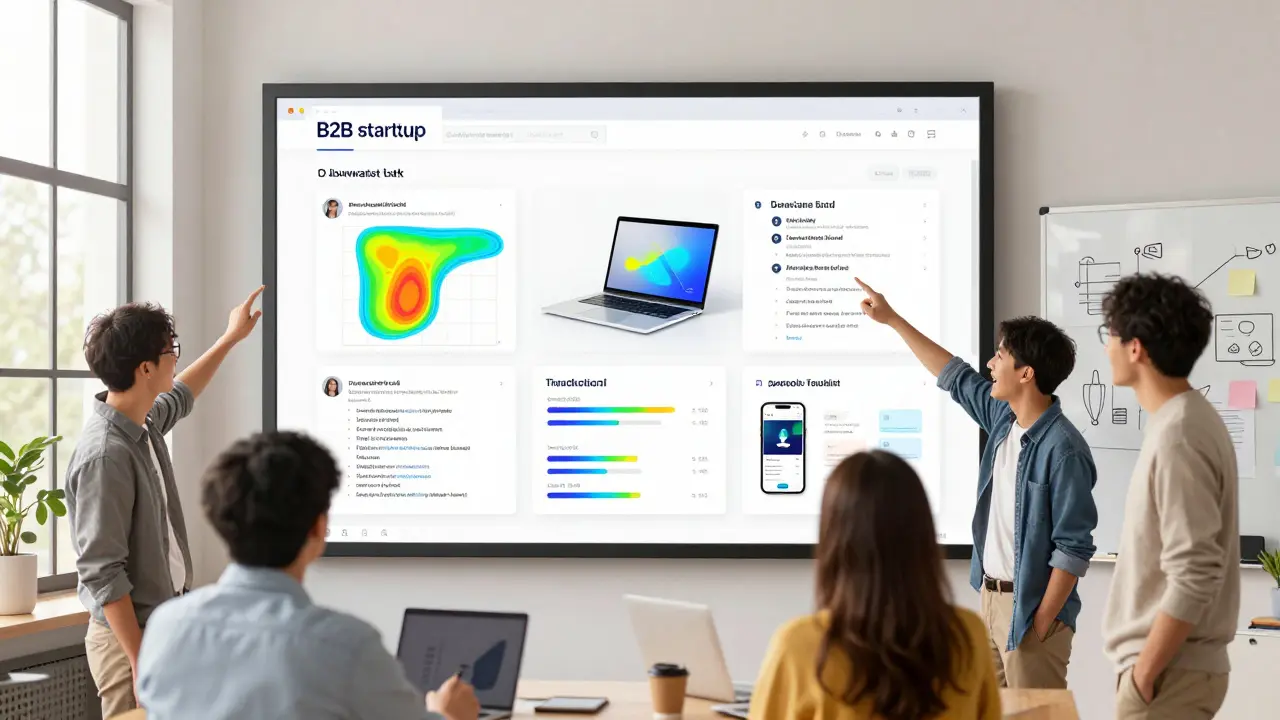
When a SaaS company sees a spike in support tickets about a feature nobody asked for, marketing flags it. Product listens. Engineering builds. Within weeks, they release a hidden tool that users didn’t even know they needed. That’s innovation born from a heatmap, not a brainstorm.
Marketing isn’t the voice of the company anymore. It’s the voice of the customer - and that’s what’s changing everything.
Real Examples, Not Theory
Here’s what this looks like in practice:
- A regional bakery used Instagram polls to let customers vote on new flavors. The top three became limited-edition releases. Sales jumped 70% in one month.
- A B2B software startup tracked which blog posts got the most shares among decision-makers. They turned the top three into downloadable toolkits - and used them as lead magnets. Conversion rates doubled.
- A fitness app noticed users were skipping the warm-up videos. Instead of pushing them harder, they redesigned the onboarding flow to include a 90-second stretch challenge. Retention increased by 38%.
No million-dollar R&D teams. No consultants. Just data, curiosity, and quick action.
What This Means for Small Businesses
You don’t need a big budget. You need a mindset. Start small:
- Use free tools like Google Analytics or Meta Insights to see what content gets the most engagement.
- Ask one question in your next email: “What’s one thing we could change to make this better?”
- Turn one customer comment into a product tweak. Test it. Measure it.
- Let your ads be experiments - not just promotions.
Innovation doesn’t come from having more money. It comes from listening faster than anyone else.
Where Most Businesses Still Get It Wrong
They treat digital marketing like a broadcast tool. They push messages. They don’t listen. They chase vanity metrics - likes, shares, followers - instead of real signals: repeat purchases, referral rates, customer lifetime value.
Another mistake? Waiting for “perfect data.” You don’t need 10,000 responses. You need five honest ones. One person saying, “I wish this worked on my phone,” can save you months of wasted development.
And finally - they don’t act fast enough. Innovation isn’t a quarterly report. It’s a daily habit.
Digital marketing isn’t just a channel. It’s the fastest feedback loop ever created. And the businesses using it right? They’re not just selling more. They’re building better things - faster than anyone else.



Write a comment