
Affiliate marketing isn’t some shady side hustle you see on YouTube ads. It’s a real, scalable way for people to earn money online by recommending products they actually use. In 2025, the global affiliate marketing industry is worth over $17 billion, and it’s growing faster than most other digital channels. Companies like Amazon, Shopify, and even small SaaS startups rely on affiliates to bring in 15-30% of their sales. If you’re not using affiliate marketing, you’re leaving money on the table-whether you’re a business owner or someone looking to make extra income.
How Affiliate Marketing Actually Works
Here’s the simple version: you share a link. Someone clicks it and buys something. You get paid. That’s it. No inventory. No customer service. No shipping.
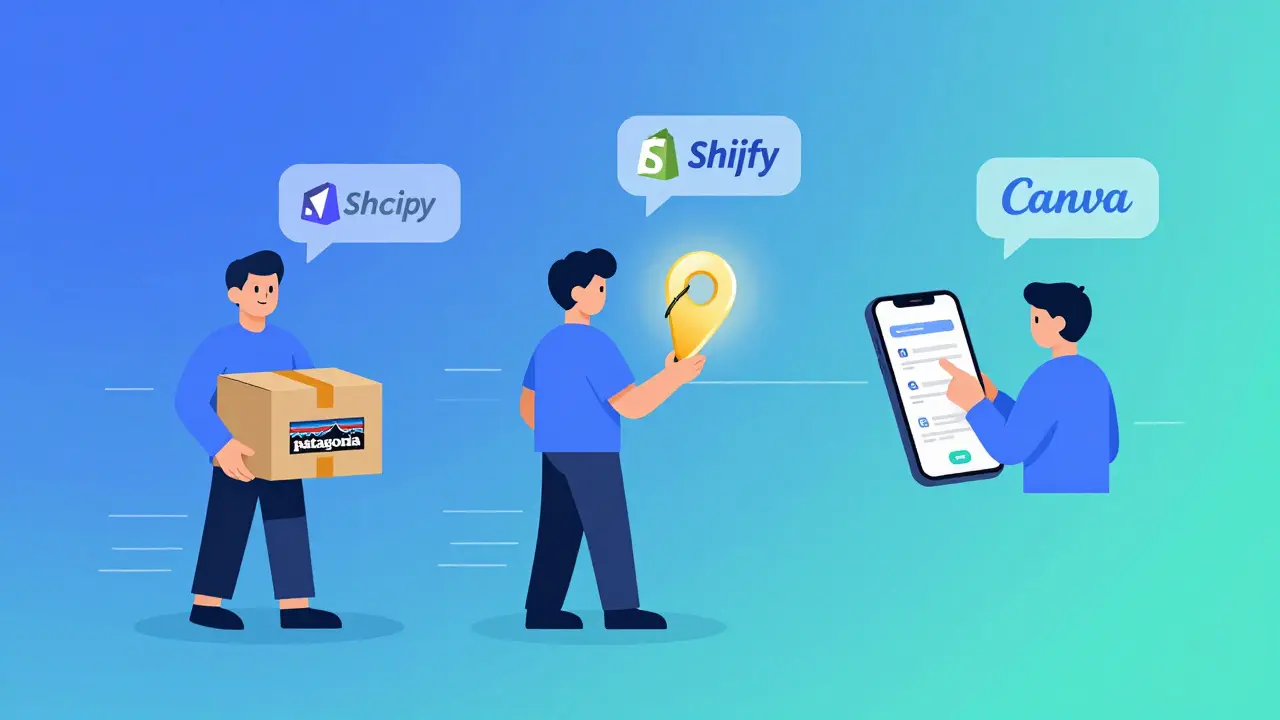
Let’s say you run a blog about hiking gear. You write a review of the Patagonia Nano Puff Jacket and include your unique affiliate link. A reader clicks your link, buys the jacket on Patagonia’s site, and you earn a 5-10% commission. Patagonia only pays you when the sale happens. You don’t pay them anything upfront. That’s the beauty of it.
The system runs on three players:
- Merchant (the brand selling the product)
- Affiliate (you, promoting the product)
- Consumer (the person who buys)
Tracking is done through cookies or unique URLs. Most networks (like ShareASale, CJ Affiliate, or Amazon Associates) handle the tracking automatically. You don’t need to be a tech expert. Just copy, paste, and promote.
Why It’s Better Than Other Online Income Methods
Compared to dropshipping, freelancing, or even YouTube ads, affiliate marketing has fewer barriers.
Dropshipping? You need to handle returns, customer complaints, and supplier delays. Freelancing? You trade time for money. YouTube? You need thousands of views to make $10. Affiliate marketing? You can start with zero followers and make your first dollar in 48 hours.
Here’s what makes it stand out:
- No upfront costs - Most programs are free to join.
- Scalable - One blog post can earn you money for years.
- Passive potential - Once you create content, it keeps working while you sleep.
- Low risk - If a product doesn’t sell, you lose nothing.
Real example: A teacher in Brisbane started a simple WordPress site reviewing budget-friendly coffee makers. Six months later, she was making $800/month just from Amazon Associates links. She didn’t quit her job. She didn’t run ads. She just wrote honest reviews.
Where to Find Affiliate Programs
You don’t have to sign up with Amazon and call it a day. There are hundreds of networks and direct programs with better payouts.
Big networks:
- Amazon Associates - Easy to join, low commissions (1-10%), huge product range. Best for beginners.
- CJ Affiliate - Used by big brands like Walmart, Best Buy, and Expedia. Higher payouts, stricter approval.
- ShareASale - Great for niche products. Thousands of small merchants, many with 20-50% commissions.
Direct programs (often better):
- Shopify - Pay $200 per qualified referral. Easy to promote if you help small businesses.
- Canva - $20 per new Pro user. Huge audience of students and designers.
- Hostinger - Up to $100 per sale for web hosting. Great for tech blogs.
- ClickBank - Digital products (ebooks, courses). Commissions up to 75%. High churn, but high payouts.
Pro tip: Look for programs that offer recurring commissions. If you refer someone to a monthly subscription (like a VPN or software), you get paid every month they stay subscribed. That’s where real money is made.
What Works in 2025 (And What Doesn’t)
Old-school affiliate marketing meant spamming links in Facebook groups or stuffing keywords into blog posts. That doesn’t work anymore. Google and social platforms now penalize low-quality content.
Here’s what does work in 2025:
- Authentic reviews - People trust real experiences. “I used this for 6 months” beats “Best product ever!”
- Comparison guides - “Blue Apron vs HelloFresh: Which Meal Kit Saves You Money?” drives high-intent traffic.
- Video tutorials - YouTube and TikTok are exploding with affiliate content. A 5-minute demo of a gadget can outperform a 2,000-word blog.
- Email lists - People who sign up for your newsletter are 3x more likely to click your affiliate links.
What kills results?
- Promoting products you’ve never used
- Linking to low-quality or scammy offers
- Not disclosing affiliate links (illegal in Australia and the US)
Always say: “This post contains affiliate links. I earn a commission if you buy through them, at no extra cost to you.” It’s simple, legal, and builds trust.
How to Start in 7 Days
You don’t need a website, a budget, or a team. Here’s how to get your first affiliate sale in under a week.
- Pick one product you love - Something you already use: a coffee maker, a fitness tracker, a note-taking app.
- Find its affiliate program - Google “[product name] affiliate program”. Most have a “Partners” or “Affiliates” page.
- Sign up - It takes 5 minutes. Most approve instantly.
- Create a simple post - Use free tools like Canva or Google Docs. Write: “Why I switched to [product] and how it changed my routine.”
- Share it - Post it in one relevant Facebook group, Reddit thread, or LinkedIn post.
- Track clicks - Check your affiliate dashboard daily. See what works.
- Repeat - Do this with 3 more products. By day 7, you’ll have 4 pieces of content working for you.
One person in Perth did this with a $12 bamboo toothbrush. She posted a photo on Instagram with a link in her bio. In 72 hours, she made $47. No ads. No followers. Just a real recommendation.
Common Mistakes (And How to Avoid Them)
Most people quit affiliate marketing because they expect quick cash. It doesn’t work like that.
Mistake 1: Chasing high commissions - A 75% commission on a $20 ebook isn’t worth it if no one buys it. Focus on products people actually need.
Mistake 2: Ignoring SEO - If no one finds your content, you won’t earn. Use free tools like Ubersuggest or Google Trends to find low-competition keywords like “best budget running shoes for flat feet.”
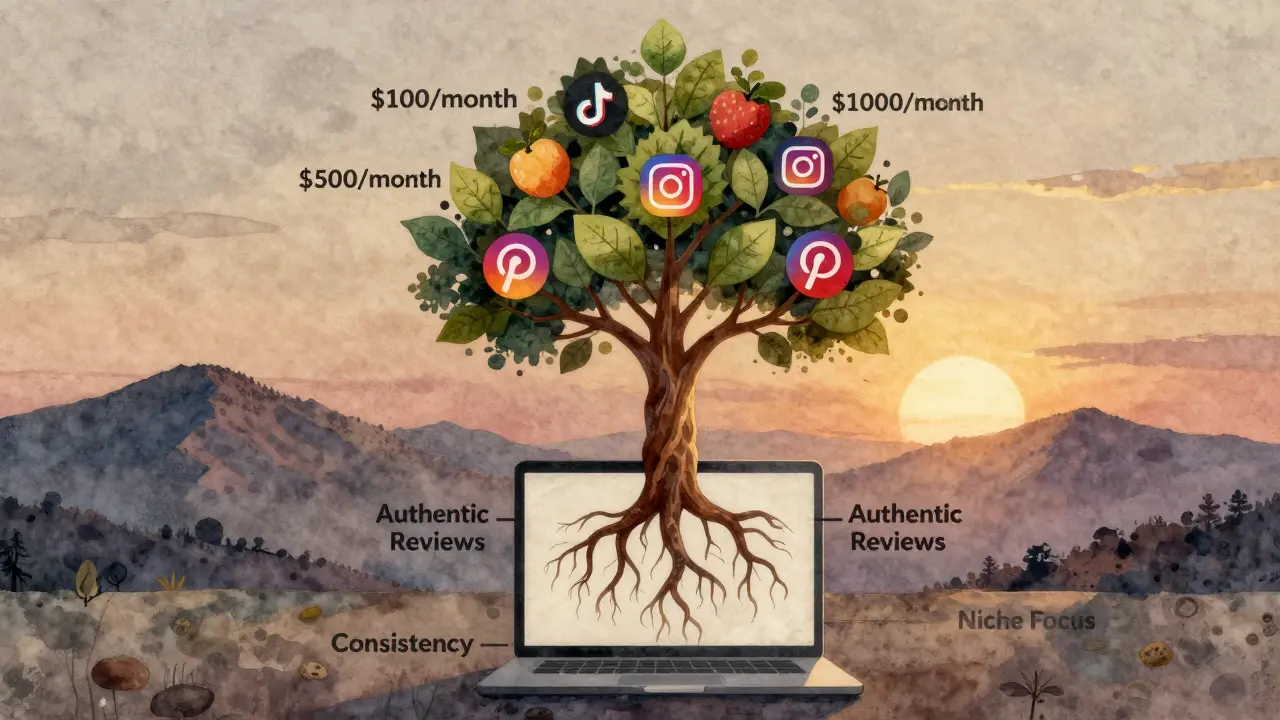
Mistake 3: Not testing - Try different platforms. A post that flops on Instagram might blow up on Pinterest. Test, measure, double down on what works.
Mistake 4: Quitting too soon - Most affiliates don’t make their first $100 until month 3. Keep going. The compound effect kicks in after 6 months.
What’s Next? Scaling Beyond the First Sale
Once you make your first $100, you’re not a beginner anymore. You’re a marketer.
Now you can:
- Turn your best-performing post into a YouTube video
- Build an email list with a free checklist (e.g., “5 Tools I Use to Save $200/Month”)
- Repurpose content across TikTok, Instagram Reels, and Pinterest
- Reach out to brands directly for custom deals
Some top earners in Australia now run entire websites around niche topics: “Affordable Pet Care for Seniors,” “Best Solar Chargers for Campers,” “Budget Fitness Gear Under $50.” They don’t sell products. They sell trust. And that’s what gets paid.
Affiliate marketing isn’t magic. It’s consistency. It’s writing for real people. It’s choosing quality over hype. If you’ve been waiting for the perfect time to start, today is it. The money’s already there. You just need to point people to it.
Is affiliate marketing still worth it in 2025?
Yes. The industry is growing, not shrinking. More brands are investing in affiliates because they pay only for results. With rising ad costs on Google and Meta, affiliate marketing is one of the few channels where small creators can still compete. The key is focusing on trust and value, not spam.
Do I need a website to do affiliate marketing?
No, but it helps. You can promote links on YouTube, TikTok, Instagram, or even in email newsletters. But a website gives you control. You own the content, the traffic, and the audience. Without it, you’re relying on platforms that can change their rules overnight.
How much money can I realistically make?
It varies wildly. Most people make $0-$500/month in the first year. Top performers make $10,000+/month. The difference? Consistency and content depth. Someone with 10 well-researched blog posts earning $50 each month makes $500. Someone with 100 posts making $100 each makes $10,000. It’s about volume and quality, not luck.
Are affiliate links legal?
Yes, as long as you disclose them. In Australia, the ACCC requires clear disclosure that you may earn a commission. In the US, the FTC has the same rule. Just say: “This post contains affiliate links. I earn a commission if you buy through them, at no extra cost to you.” That’s it. No hidden text. No fine print.
Can I promote multiple affiliate products on the same site?
Absolutely. But don’t mix unrelated products. A site about hiking gear should promote tents, backpacks, and moisture-wicking shirts-not cryptocurrency apps or weight loss pills. Stay niche. Your audience trusts you because you focus on one thing. Spread too thin, and you lose credibility.
What’s the best niche for beginners?
Pick something you already know or use daily. Kitchen gadgets, pet supplies, home office gear, budget travel, or fitness equipment. Avoid oversaturated niches like “make money online” or “weight loss.” Instead, go narrow: “best coffee makers for small apartments” or “affordable yoga mats for tall people.” Specificity attracts buyers.

Write a comment