
Starting a business today means you can’t afford to ignore digital marketing. It’s not just for big brands with huge budgets. Even a one-person shop in Brisbane can reach customers across Australia - and beyond - with the right approach. If you’re new to this, the overwhelm is real. There are ads, emails, social posts, SEO tricks, and paid campaigns everywhere. But here’s the truth: you don’t need to master all of it. You just need to understand the basics and start small.
What Exactly Is Digital Marketing?
Digital marketing is simply promoting your business using online channels. That includes websites, social media, email, search engines, and even text messages. It’s not magic. It’s strategy. Think of it like setting up a storefront, but instead of a physical location, you’re using the internet. Your customers aren’t walking past your shop - they’re searching for you on Google, scrolling through Instagram, or opening an email you sent.
Unlike traditional ads (like billboards or TV spots), digital marketing lets you track everything. You know exactly who saw your ad, who clicked it, and who bought something because of it. That’s powerful. It means you can stop guessing and start improving.
The Four Pillars You Actually Need to Focus On
You don’t need to do everything at once. Start with these four core areas. Master these, and you’re already ahead of 80% of new businesses.
- Website - This is your digital home. It doesn’t need to be fancy. But it must load fast, look clean, and tell visitors what you do in under 5 seconds. If someone lands on your site and can’t figure out how to buy or contact you, you’ve lost them.
- Google Business Profile - If you serve local customers (even if you’re online-only), this is non-negotiable. It shows up when people search for your product or service near them. A complete profile with photos, reviews, and accurate hours can bring in free traffic every day.
- Email List - People who sign up for your emails are already interested. That’s gold. You don’t need thousands. Start with 50. Send them one helpful email a week. Offer a discount, a tip, or a free guide. Over time, these people become your most loyal customers.
- One Social Media Platform - Don’t spread yourself thin. Pick the one where your customers hang out. If you sell handmade jewelry, Instagram works. If you’re a B2B consultant, LinkedIn is better. Post consistently - even just twice a week. Engagement beats volume every time.
Why You Should Stop Chasing Viral Content
You’ve seen those posts: “This one TikTok made me $50,000!” or “I went from zero to 100K followers in 30 days.” Those stories are outliers. They’re not the rule. Most businesses that chase viral trends burn out fast.
Instead, focus on consistency. A weekly blog post. A Tuesday and Friday Instagram story. A monthly email newsletter. These small, regular actions build trust. People don’t buy from strangers. They buy from people they know, like, and trust. And that takes time.
Here’s what works: a local bakery in Brisbane started posting one photo of their daily special every morning on Instagram. No filters. No captions. Just the bread, the coffee, the sunlight through the window. After 90 days, they had 1,200 followers. Half of them walked in the next week. That’s not luck. That’s steady effort.
How to Start With Zero Budget
You don’t need to spend money to start. Here’s how to begin for free:
- Use Canva to design social media posts. It’s free and easy.
- Write a simple website using WordPress or Shopify (both have free trials).
- Set up your Google Business Profile - it takes 15 minutes and costs nothing.
- Ask 10 happy customers for reviews. Send them a simple text: “If you enjoyed your order, could you leave a quick review on Google? It helps me a lot.”
- Join one local Facebook group or Reddit community. Answer questions. Don’t sell. Just help. People notice.
These steps cost nothing but time. And time is the one thing every entrepreneur has - if they use it wisely.
What Not to Do
Here are the three biggest mistakes new entrepreneurs make:
- Buying followers or likes - It looks bad. It hurts your credibility. And algorithms can detect fake engagement. You’re not fooling anyone.
- Posting every day - If you’re burning out trying to post daily, you’re doing it wrong. One great post a week is better than five rushed ones.
- Ignoring analytics - If you don’t check what’s working, you’re flying blind. Google Analytics and Instagram Insights are free. Check them once a week. Look at what posts get clicks, what time people are online, and which pages they leave.
How to Measure What Matters
You can’t improve what you don’t measure. Here’s what to track:
| Metric | What It Tells You | Good Target (for starters) |
|---|---|---|
| Website Traffic | How many people visit your site | 100+ visitors per week |
| Email Sign-ups | How many people want to hear from you | 5% of website visitors |
| Conversion Rate | How many visitors become customers | 2-5% |
| Customer Cost | How much you spend to get one customer | Less than your profit per sale |
You don’t need fancy tools. Google Analytics (free) shows traffic and conversions. Instagram Insights (free) shows engagement. Start with these. Don’t get distracted by metrics that don’t connect to sales.
When to Start Spending Money
Once you have a clear idea of who your customers are and what they respond to, then it’s time to test paid ads. But only then.
Start with $5 a day on Facebook or Instagram. Target people in your city who like similar businesses. Use a simple ad: a photo of your product, a short headline, and a clear button like “Shop Now” or “Get the Guide.” Track clicks. If it brings in sales, increase it. If not, tweak the image or message. Repeat.
Most new businesses spend too much too soon. Don’t. Let your organic efforts show you what works. Then double down.
Real Example: A Hair Salon in Brisbane
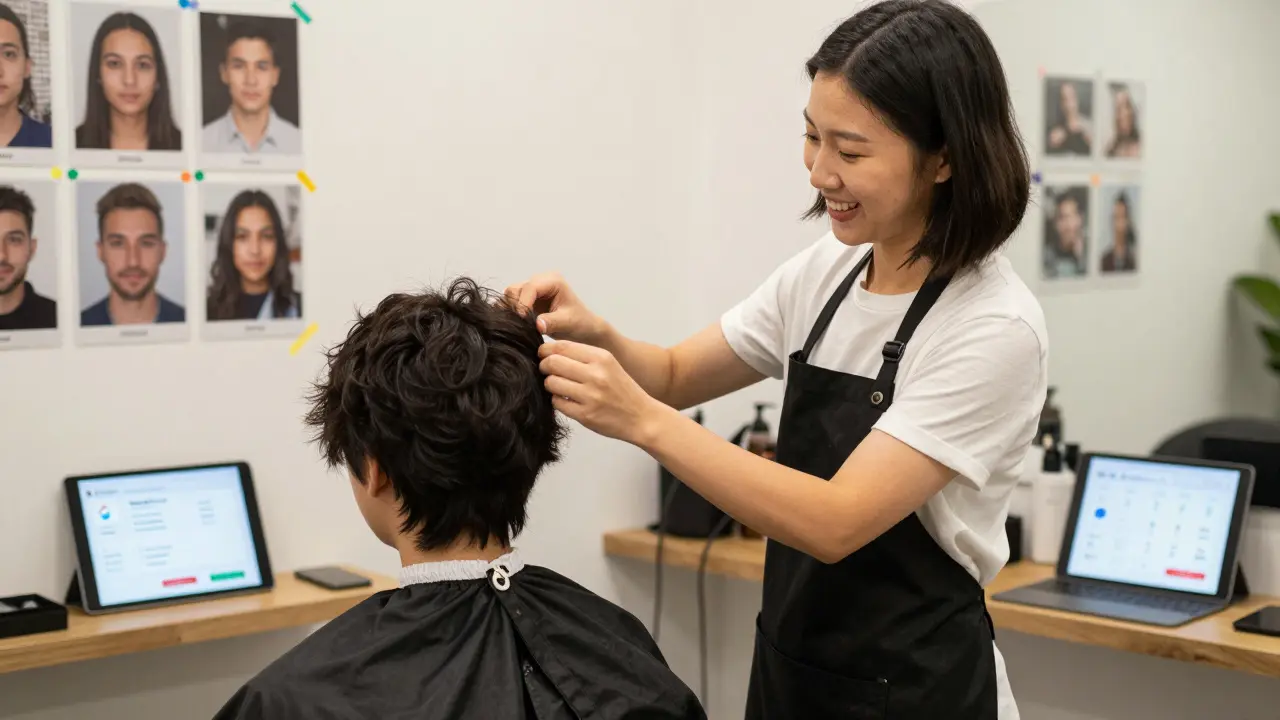
One year ago, a solo hairstylist named Lena opened a small salon. She had $200 saved. Here’s what she did:
- Created a free Google Business Profile with before-and-after photos
- Posted one Instagram story every Tuesday and Friday
- Asked every client to tag her in their post
- Sent a thank-you email with a 10% off coupon for their next visit
After 6 months, she had 2,300 Instagram followers, 87 email subscribers, and 12 new clients every week - all from organic efforts. She didn’t run a single paid ad. She just showed up, consistently.
That’s the power of digital marketing done right.
Final Thought: Progress Over Perfection
You don’t need to be an expert. You just need to start. Do one thing today. Maybe it’s setting up your Google Business Profile. Maybe it’s sending your first email to five friends. Do that. Then do one more tomorrow. Digital marketing isn’t about having the best strategy. It’s about showing up, again and again.
Do I need a website to start digital marketing?
Yes, but it doesn’t have to be complex. A simple one-page site with your services, contact info, and a photo is enough to start. Many entrepreneurs use free tools like Canva + WordPress or Carrd to build one in under an hour. Without a website, you lose credibility and control. Social media profiles can be deleted or changed. Your website is yours.
Which social media platform should I pick?
Pick the one where your customers already are. If you sell visual products like clothing, art, or food - Instagram and TikTok work best. If you offer services like consulting, coaching, or repair - LinkedIn and Facebook are stronger. Don’t try to be everywhere. Master one, then expand. Most successful small businesses focus on just one platform for their first year.
How often should I post on social media?
Quality over quantity. Post when you have something valuable to share - not just to fill space. Two high-quality posts a week are better than seven rushed ones. Use a simple calendar: Monday for a tip, Wednesday for a customer story, Friday for a promo. Consistency builds trust. You don’t need to post daily unless you’re in a fast-moving industry like fashion or tech.
Is email marketing still worth it?
Absolutely. Email has the highest return on investment of any digital channel. People who sign up for your email are 3x more likely to buy than someone who finds you on social media. Start small: offer a free guide or discount in exchange for an email. Use free tools like MailerLite or Mailchimp. Send one email a week. Keep it short. Help them. Don’t sell.
How long does it take to see results?
Most businesses see small results in 4-6 weeks. Meaningful growth takes 3-6 months. Digital marketing is a slow burn. It’s not a sprint. If you expect overnight success, you’ll quit too soon. Focus on building relationships, not just sales. The money follows when people trust you.
Next Steps: Your 7-Day Action Plan
Here’s what to do in the next week:
- Day 1: Set up your Google Business Profile.
- Day 2: Create a simple website (use Canva + WordPress).
- Day 3: Choose one social platform and post your first update.
- Day 4: Ask three past customers for a review.
- Day 5: Create a free lead magnet (like a PDF checklist or discount code) and add a sign-up form to your site.
- Day 6: Send your first email to five people who’ve bought from you.
- Day 7: Check your analytics. What got the most clicks? Do more of that.
That’s it. No theory. Just action. Start today - not tomorrow. Your future customers are already searching for you online. Make sure they find you.



Write a comment