
Most people think digital marketing is just posting on Instagram or running Google Ads. But that’s like saying driving a car is just turning the steering wheel. The real magic happens in the space between the clicks, the data, and the human decisions behind them. Digital marketing isn’t a tool-it’s a system. And if you don’t understand how the pieces connect, you’re just spinning your wheels.
What Actually Moves the Needle in Digital Marketing?
Let’s cut through the noise. Digital marketing works when it connects the right message to the right person at the right time. Sounds simple, right? But here’s the catch: that "right time" isn’t just when someone is online. It’s when they’re ready to act. Maybe they’ve been researching for weeks. Maybe they’ve clicked five ads but never bought. That’s not a failure-it’s data.
Take a small business in Perth selling handmade leather bags. They run a Facebook ad. It gets 10,000 impressions. Only 30 clicks. Two sales. Should they give up? No. The real insight isn’t in the sales-it’s in the 28 people who clicked but didn’t buy. Why? Maybe the price felt too high. Maybe the product photos didn’t show the stitching detail. Maybe they were just browsing. Each of those 28 people leaves a trail. And that trail tells you what to fix next.
The Four Core Dynamics You Can’t Ignore
There are four forces that shape every successful digital marketing effort. Miss one, and your results will be inconsistent.
- Customer Journey Mapping - People don’t buy from a single ad. They move through awareness, consideration, and decision. A customer might see your Instagram post, then search your brand name on Google, then read a Reddit thread, then finally click your email offer. That’s not random. That’s a path. Map it.
- Channel Synergy - No single channel works alone. Paid ads bring traffic. SEO keeps it coming. Email nurtures it. Social builds trust. They don’t compete-they feed each other. A study from HubSpot in 2025 found that businesses using at least four channels saw 3.5x higher conversion rates than those using one.
- Data Feedback Loops - You collect data, you act on it, you collect more. It’s not a one-time audit. It’s daily. If your email open rate drops, you tweak the subject line. If your landing page bounce rate spikes, you change the headline. This loop turns guesswork into precision.
- ROI Tracking Beyond Sales - Not every campaign needs to sell. Sometimes, it’s about building awareness. Sometimes, it’s about collecting emails. Sometimes, it’s about getting shares. Track what matters. If your goal is brand recognition, measure shares, mentions, and search volume-not just conversions.
Why Most Strategies Fail (And How to Fix Them)
Here’s the brutal truth: 78% of small businesses don’t track their marketing ROI properly. They see a spike in followers and call it a win. But followers don’t pay bills. Customers do.
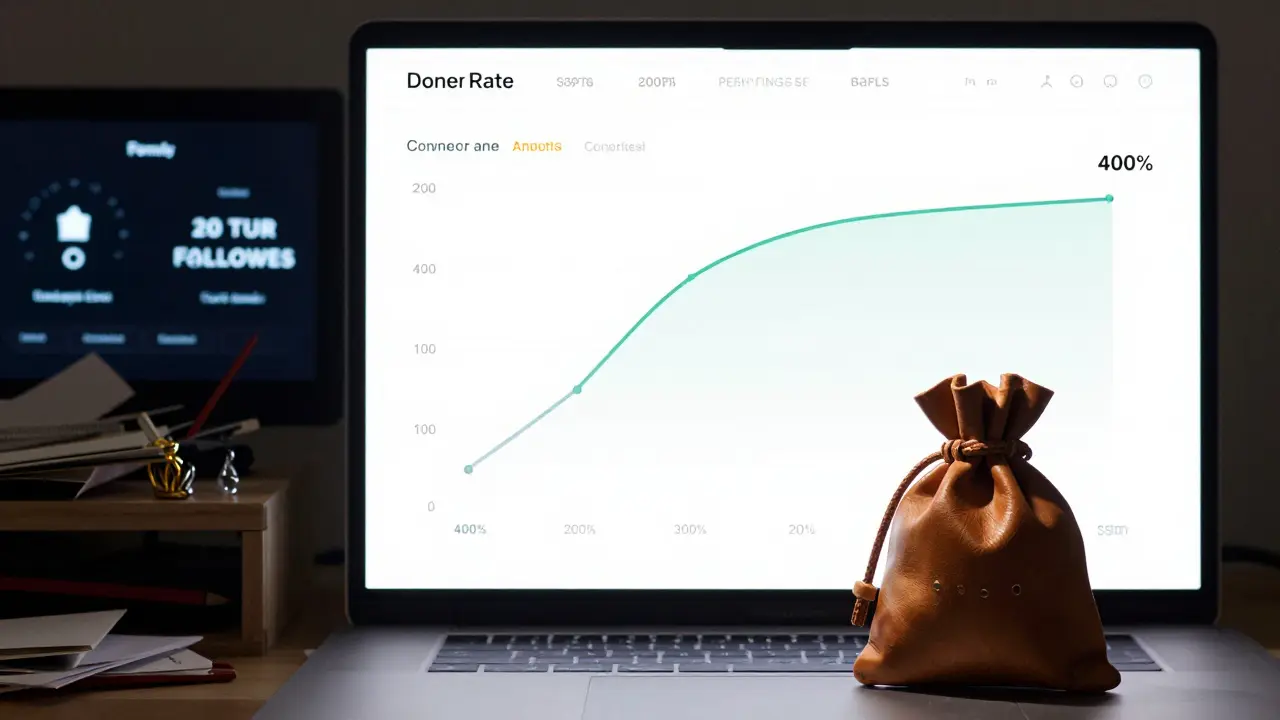
One client I worked with was spending $8,000 a month on TikTok ads. They had 120,000 followers. But their website traffic from TikTok? Less than 2%. Their sales? Zero. Why? Because their ad didn’t lead anywhere. It was entertainment, not a funnel. They fixed it by adding a clear call-to-action: "Tap the link in bio to see our bestseller-only 12 left." Then they tracked clicks, not likes. Sales jumped 400% in six weeks.
Here’s what to do instead:
- Start with a goal: Is this campaign about leads? Sales? Sign-ups? Brand awareness?
- Choose one primary metric to track. Not five. One.
- Set a baseline. What’s your current number?
- Run the campaign for 30 days.
- Compare. Did you move the needle? If not, why?
The Hidden Engine: Customer Data Platforms (CDPs)
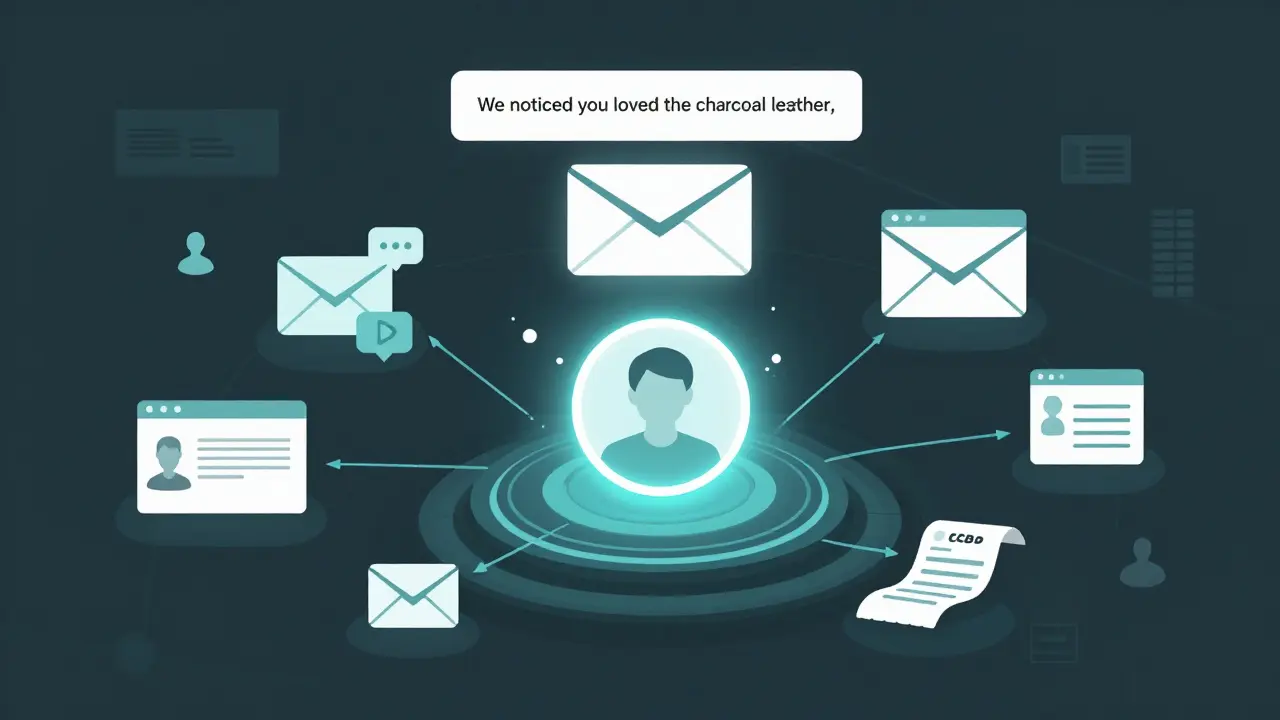
Forget CRM. Forget Google Analytics. The real game-changer is the Customer Data Platform. A CDP pulls together data from every touchpoint-website, email, social, even offline purchases-and builds a single profile for each customer.
Imagine knowing that a customer:
- Clicked your Facebook ad last Tuesday
- Spent 8 minutes on your product page
- Opened your last three emails
- Abandoned their cart with a $97 item
- Visited your store in Melbourne last month
That’s not luck. That’s intelligence. With that, you can send a personalized email: "Hey, we noticed you loved the charcoal leather. It’s back in stock-and we’ve added free engraving this week." That’s not spam. That’s relevance.
CDPs aren’t just for big companies. Tools like Klaviyo, HubSpot, and even Mailchimp now offer basic CDP features for under $50/month. Start small. Track one customer journey. See what happens.
What’s Changing in 2026?
Digital marketing isn’t static. It’s evolving fast.
- AI-Powered Personalization - Tools now predict what a customer wants before they search for it. If someone browses hiking boots, they might get an ad for waterproof socks the next day-even if they never typed "socks" into Google.
- Privacy-First Tracking - With cookies fading, first-party data (email lists, app logins, website sign-ups) is king. Build your own audience. Don’t rent one.
- Short-Form Video as a Sales Tool - TikTok and Instagram Reels aren’t just for fun. They’re now the #1 way people discover products. A 15-second demo showing how your product solves a problem beats a 300-word blog post.
- Community Marketing - People trust peers more than brands. A Facebook group, a Discord server, or even a comment section full of real users can become your most powerful marketing channel.
Where to Start If You’re Overwhelmed
You don’t need a team. You don’t need a budget. You need one clear next step.
Here’s your 30-day plan:
- Pick one channel you’re already using (email, Instagram, Google Ads).
- Track one metric: open rate, click-through rate, conversion rate.
- Find your worst-performing post or ad. Change one thing-the headline, the image, the call-to-action.
- Run it for 7 days. Compare results.
- Do it again next week.
That’s it. No fancy tools. No consultants. Just iteration. Digital marketing isn’t about being perfect. It’s about being consistent.
Final Thought: It’s Not About the Tools-It’s About the Story
Every great digital campaign tells a story. Not a sales pitch. A story. Why does your product exist? Who is it for? What problem does it solve? People don’t buy products. They buy better versions of themselves.
When you focus on that, the channels follow. The data makes sense. The ROI becomes clear. Digital marketing isn’t magic. It’s just patience, observation, and a willingness to listen.
What’s the difference between digital marketing and traditional marketing?
Traditional marketing uses broad, one-way channels like TV, radio, or billboards to reach large groups. Digital marketing uses interactive, trackable channels like websites, email, and social media to reach specific people. The biggest difference? Digital lets you see exactly who responded, what they did, and how much it cost. You can’t do that with a billboard.
Do I need to be on every social media platform?
No. Being everywhere is a trap. Focus on one or two platforms where your customers actually spend time. A bakery in Perth might thrive on Instagram and Facebook but waste time on LinkedIn. A B2B software company might do great on LinkedIn and YouTube but ignore TikTok. Know your audience-not every platform.
How long does it take to see results from digital marketing?
It depends on your goal. Paid ads can drive traffic in hours. SEO takes 3-6 months. Email lists build over weeks. Brand awareness? That’s a 6-12 month game. The key is not to expect overnight success. Digital marketing is a marathon with checkpoints. Track progress weekly, not daily.
Is paid advertising worth it for small businesses?
Yes-if you track it properly. Many small businesses spend $500 on Facebook ads and get nothing because they don’t set up conversion tracking. But if you know your cost per lead is $15 and your average sale is $150, then $500 in ads that bring in 20 leads is a $2,500 return. That’s a 5x ROI. Start small. Test one ad. Measure everything.
What’s the most important metric in digital marketing?
It depends on your goal. For sales? Conversion rate. For brand awareness? Reach and shares. For lead generation? Cost per lead. For retention? Customer lifetime value. Don’t chase vanity metrics like likes or followers. Pick the one number that ties directly to your business outcome and focus on moving it.
Want to go deeper? Start mapping your own customer journey. Write down every touchpoint a customer has with your brand-from the first time they see you to the moment they buy. Then ask: Where are you missing a connection? That’s your next move.


Write a comment