
Most businesses treat internet marketing like a slot machine. They pull the lever on social media ads or email blasts and hope for a jackpot of sales. If they don’t get it, they blame the platform. The truth is harsher: your strategy is likely leaking money at every stage of the funnel. In 2026, with privacy regulations tightening and AI tools becoming table stakes, generic tactics no longer cut it. You need a system that captures attention, builds trust, and converts interest into revenue without relying on third-party cookies that are rapidly disappearing.
This isn't about finding one viral hack. It’s about building a resilient ecosystem where each channel supports the other. Whether you run a B2B SaaS company or a local e-commerce store, the core mechanics of increasing sales remain the same: reach the right people, speak their language, and remove friction from the buying process. Let’s look at the specific strategies that are actually moving the needle right now.
1. Master Search Intent with Semantic SEO
Search engine optimization has changed. Gone are the days of stuffing keywords into meta tags. Today, Google understands context. If you sell ergonomic office chairs, ranking for "office chair" is useless because you’ll compete with giants like IKEA. Instead, you need to target semantic intent. This means creating content that answers the specific questions your buyers ask when they are ready to purchase.
Think about the difference between someone searching for "back pain relief" and someone searching for "best ergonomic chair for lower back pain 2026." The first person is researching; the second is shopping. By creating detailed comparison guides, case studies, and product-specific landing pages that address these high-intent queries, you capture traffic that is already primed to buy. Use tools like SEMrush or Ahrefs to identify long-tail keywords with commercial intent. Write comprehensive answers that establish authority, not just thin pages designed to rank.
- Identify buyer personas: Map out the exact problems your customers face before they consider buying.
- Create pillar content: Build deep-dive guides that cover a topic exhaustively, linking to specific product pages.
- Optimize for featured snippets: Structure answers clearly so Google can display them directly in search results.
2. Leverage First-Party Data for Personalized Email Marketing
With the death of third-party cookies, your email list is your most valuable asset. But sending the same newsletter to everyone is a waste of time. Personalization in 2026 goes beyond using someone's first name. It’s about behavioral triggers. If a customer abandons their cart, they shouldn’t just get a reminder; they should get an offer based on what was left behind.
Segment your audience by behavior, not just demographics. Create automated flows for welcome series, post-purchase follow-ups, and re-engagement campaigns. For example, if a customer buys running shoes, send them care tips for those shoes three weeks later, followed by a recommendation for moisture-wicking socks six months down the line. This approach increases lifetime value (LTV) by keeping your brand top-of-mind without being intrusive. Use platforms like Klaviyo or Mailchimp to automate these journeys based on user actions.
| Segment Type | Trigger Action | Recommended Content |
|---|---|---|
| New Subscribers | Sign-up via lead magnet | Welcome discount + brand story |
| Cart Abandoners | Add to cart but no purchase | Reminder + limited-time free shipping |
| Loyal Customers | Purchased 3+ times | VIP early access + referral program |
| Dormant Users | No open/click in 90 days | We miss you + exclusive comeback offer |

3. Utilize Social Proof and User-Generated Content
People don’t trust brands; they trust other people. In an era of ad fatigue, user-generated content (UGC) is the most credible form of advertising. When a potential customer sees a real person using your product in a real setting, skepticism drops. Encourage your customers to share photos and reviews. Feature this content prominently on your website and social channels.
Influencer marketing has evolved too. Micro-influencers (those with 10k-50k followers) often have higher engagement rates and more authentic connections with their audiences than mega-stars. Partner with creators who genuinely use your product. Ask them to create honest reviews rather than scripted promotions. This authenticity resonates better with consumers who are increasingly savvy about sponsored content. Platforms like TikTok and Instagram Reels are ideal for this type of organic, video-first proof.
4. Optimize Conversion Rate with Frictionless UX
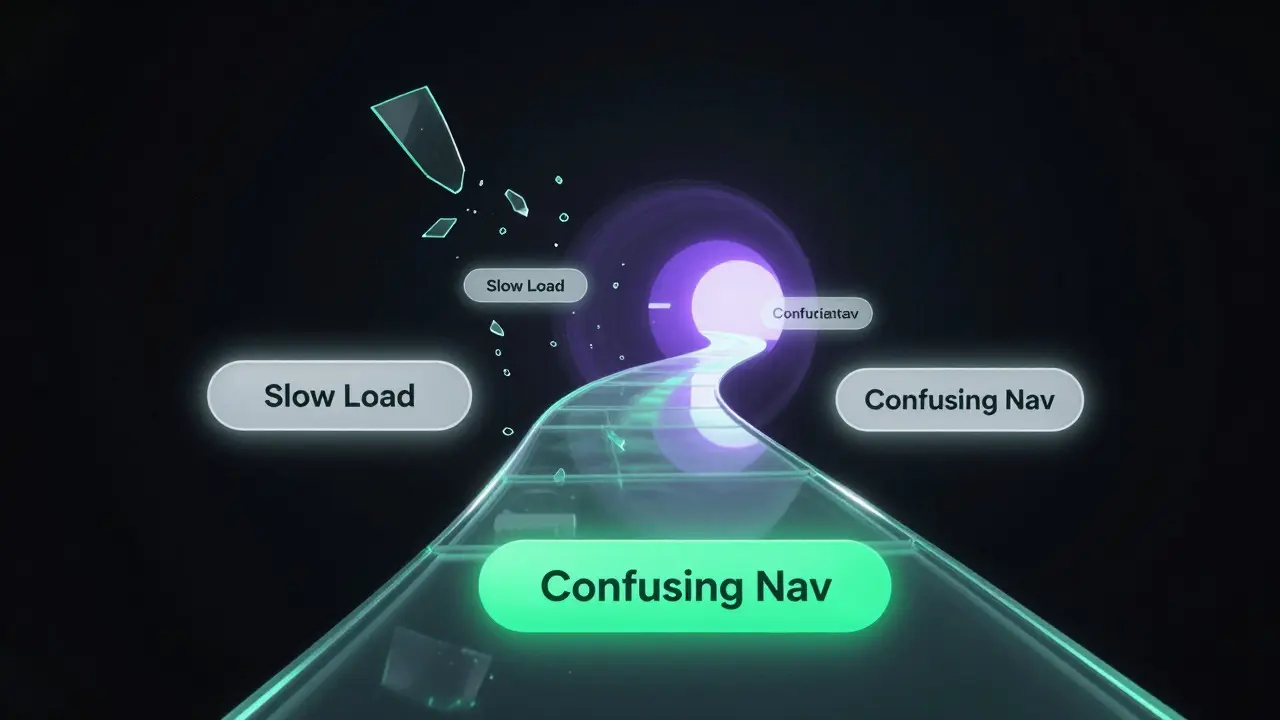
You can drive all the traffic in the world, but if your website is confusing, you’re burning cash. Conversion rate optimization (CRO) is about removing barriers between the visitor and the checkout button. Start with speed. A site that takes more than three seconds to load loses nearly half its visitors. Use tools like Google PageSpeed Insights to identify bottlenecks.
Next, simplify your navigation. Don’t make users hunt for information. Use clear calls-to-action (CTAs) that tell them exactly what happens next (e.g., "Start Free Trial" instead of "Submit"). On mobile devices, ensure buttons are large enough to tap easily. Run A/B tests on your landing pages. Change one element at a time-headline, image, button color-and measure the impact. Small tweaks, like adding a trust badge near the payment field, can boost conversions by 5-10%.
5. Retargeting with Contextual Awareness
Retargeting ads remind people who visited your site but didn’t buy. However, blanket retargeting can feel creepy. In 2026, use contextual awareness. If someone looked at a high-end laptop, show them ads for that specific model or similar specs, not a cheap tablet. Use dynamic product ads that automatically update based on browsing history.
Limit frequency capping so you don’t annoy users. Show the ad once every few days, not ten times in an hour. Combine retargeting with educational content. If they dropped off at the pricing page, serve them a case study showing ROI or a testimonial addressing price objections. This reinforces value rather than just nagging for a sale.
6. Build Community Through Value-Driven Content
Sales happen faster when trust exists. Building a community around your brand creates a loyal base of advocates. This doesn’t mean just posting on social media. It means providing genuine value. Host webinars, create detailed blogs, or start a Discord server where users can help each other. For B2B companies, whitepapers and industry reports position you as a thought leader. For B2C, tutorials and how-to videos solve immediate problems.
When your audience sees you as a helpful resource, they are more likely to choose you over competitors. Engagement metrics matter here. Respond to comments, ask questions, and foster discussion. This two-way communication builds emotional connection, which is a powerful driver of repeat purchases.
How long does it take to see results from internet marketing?
It depends on the channel. Paid ads like PPC can generate leads within days. SEO and content marketing typically take 3-6 months to gain traction. Email marketing shows quick returns if you already have a list, but building that list takes time. Consistency is key across all channels.
What is the best internet marketing strategy for small businesses?
For small businesses, focus on local SEO and email marketing. Local SEO helps you capture nearby customers actively searching for your services. Email marketing allows you to nurture relationships with existing customers at a low cost. These two strategies provide the highest ROI with minimal budget.
Is social media still effective for increasing sales?
Yes, but only if used strategically. Organic reach is low, so paid social ads are necessary for direct sales. However, social media is excellent for brand awareness and community building. Use it to drive traffic to your website where conversions are easier to track and optimize.
How do I measure the success of my marketing efforts?
Track key performance indicators (KPIs) like conversion rate, customer acquisition cost (CAC), and return on ad spend (ROAS). Use analytics tools like Google Analytics to monitor traffic sources and user behavior. Focus on metrics that directly correlate with revenue, not just vanity metrics like likes or followers.
Should I hire an agency or do internet marketing in-house?
It depends on your budget and expertise. Agencies bring experience and scale but can be expensive. In-house teams offer better control and deeper product knowledge but require hiring and training. Many businesses start in-house for basic tasks and outsource specialized areas like SEO or paid ads.


Write a comment