
Remember when scrolling through TikTok was just about watching endless videos of dance trends and cooking hacks? Those days are fading fast. By mid-2026, the platform has shifted from a passive video feed to an interactive hub where artificial intelligence plays a starring role. The biggest change? A built-in conversational AI tool that acts like a personal assistant, helping users create content, find answers, and engage with brands directly within the app.
This isn't just a gimmick. It’s a strategic move by ByteDance to keep you on the app longer, reduce friction in content creation, and compete head-on with platforms like Instagram and YouTube Shorts. If you’re trying to understand how this new feature impacts your daily usage or your marketing strategy, you need to look beyond the hype. Let’s break down what this AI integration actually does, why it matters for engagement, and how you can use it without falling into common traps.
The Shift From Passive Viewing to Active Interaction
For years, user engagement on social media was measured by likes, shares, and comments. But these metrics tell only half the story. They don’t capture the intent behind the action. Are you commenting because you genuinely want to join a conversation, or just to boost your visibility? Enter the new era of conversational interfaces.
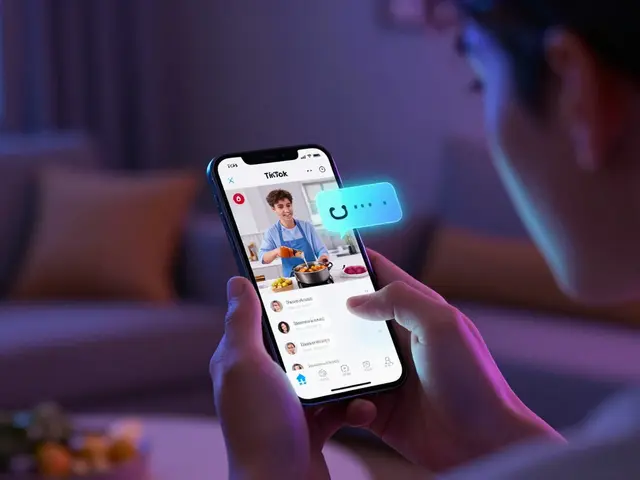
TikTok’s latest update introduces an AI-powered chatbot that integrates seamlessly into the comment sections and direct messages. Unlike static bots of the past, this system uses large language models (LLMs) to understand context, tone, and even visual cues from the video itself. For example, if someone posts a tutorial on fixing a leaky faucet, the AI can answer specific questions like “What size wrench do I need?” based on the tools shown in the video.
This shift transforms the user experience. Instead of searching outside the app for answers, users stay engaged within the ecosystem. The result? Longer session times and deeper interaction. According to internal data released in early 2026, sessions involving the AI assistant are 40% longer than those that don’t. That’s a significant jump in a platform where attention spans are notoriously short.
- Faster problem-solving: Users get instant answers without leaving the app.
- Personalized recommendations: The AI suggests related videos based on chat history.
- Enhanced creator support: Creators can delegate basic Q&A to the AI, freeing up time for content production.
How the AI Assistant Works Behind the Scenes
To understand the impact, you need to know how the technology functions. TikTok didn’t build its own model from scratch. Instead, they partnered with leading AI developers to fine-tune existing models specifically for short-form video content. This approach allows them to leverage advanced natural language processing while keeping costs manageable.
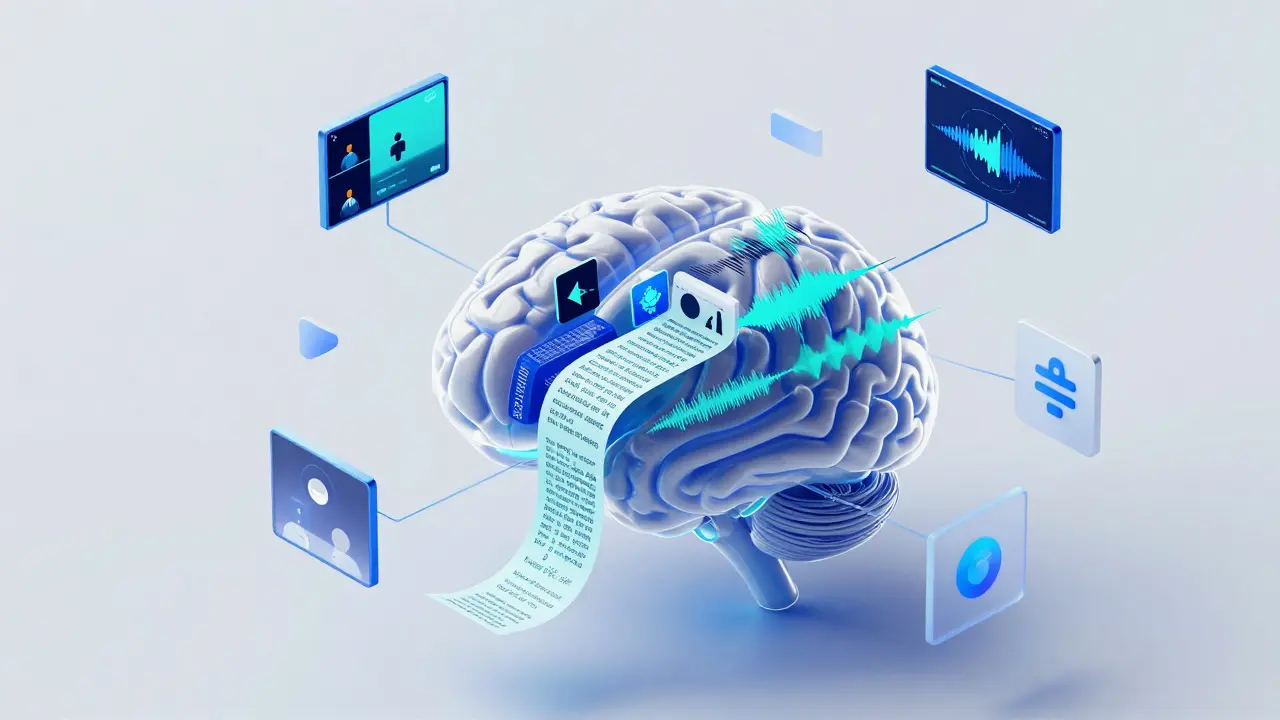
The core engine relies on multimodal AI, which means it processes text, audio, and visual data simultaneously. When you ask a question in the comments, the AI doesn’t just read your words. It analyzes the video frames, listens to the background audio, and reads the caption to form a complete picture. This reduces hallucinations-those annoying moments when AI makes things up-by grounding responses in actual content.
Here’s a simple breakdown of the workflow:
- User Input: You type a question or start a conversation.
- Context Analysis: The AI scans the associated video, comments, and user profile.
- Response Generation: It drafts an answer using its knowledge base and real-time data.
- Safety Check: Automated filters ensure the response meets community guidelines.
- Delivery: The reply appears instantly, often with links to relevant products or videos.
This process happens in under two seconds. Speed is crucial here. If the AI takes too long, users abandon the interaction. TikTok has optimized its servers to handle millions of concurrent queries, ensuring smooth performance even during peak hours.
Impact on Content Creators and Brands
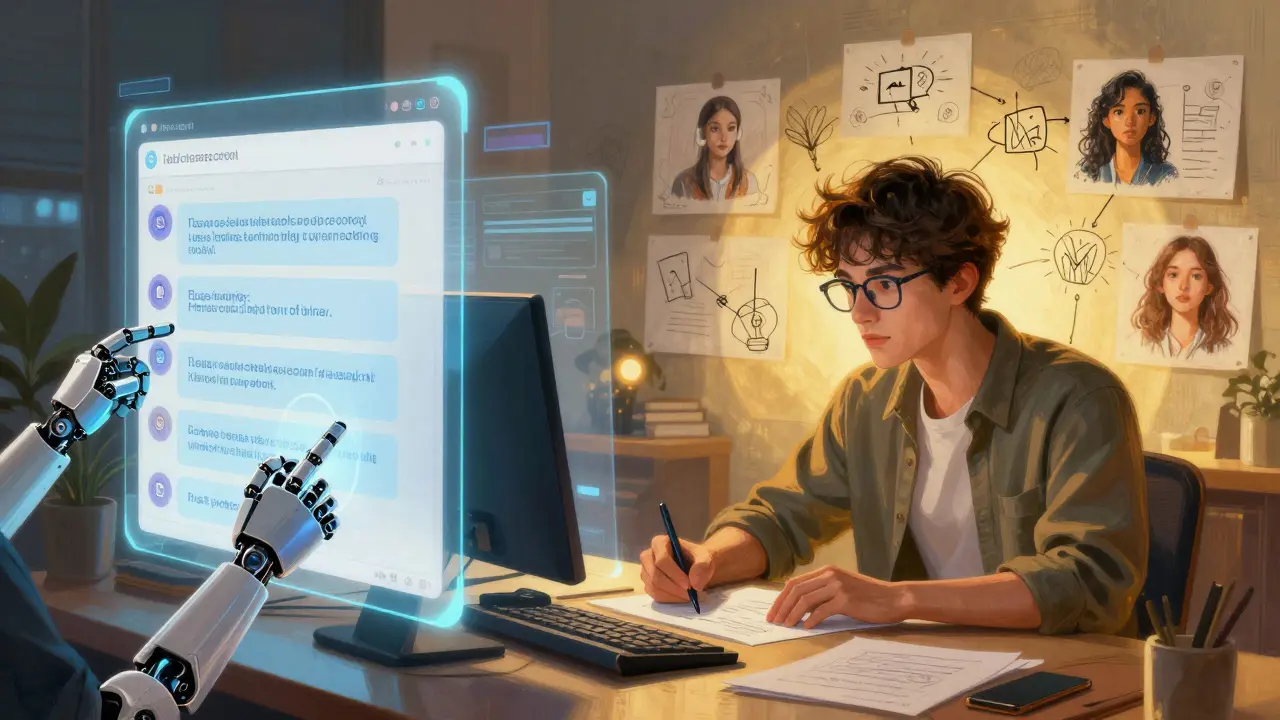
If you’re a creator or a brand manager, this feature changes the game. In the past, responding to every comment was a full-time job. Now, the AI handles routine inquiries, allowing you to focus on high-value interactions. Imagine running a fashion brand. Instead of replying “Check our bio” to fifty identical questions, the AI can pull up the exact product link mentioned in the video.
This automation boosts efficiency but also raises questions about authenticity. Some creators worry that relying on AI dilutes their personal touch. However, early adopters report a different outcome. By handling mundane tasks, they have more energy for creative projects and genuine community building. The key is transparency. Let your audience know when they’re talking to a bot versus a human.
Brands benefit from richer data insights. The AI tracks which questions users ask most frequently, revealing pain points and interests. This feedback loop helps refine future content strategies. For instance, if many users ask about ingredient sourcing, a food brand might produce a dedicated video addressing that concern.
| Feature | Traditional Method | AI-Assisted Method |
|---|---|---|
| Response Time | Hours to days | Seconds |
| Scalability | Limited by staff size | Unlimited |
| Personalization | Manual effort required | Automated context-aware replies |
| Data Insights | Basic analytics | Detailed query analysis |
Potential Risks and Privacy Concerns
No major tech update comes without risks. The introduction of AI assistants on TikTok has sparked debates about privacy and data security. Since the AI processes personal conversations, users wonder who sees their data and how it’s used. TikTok states that all interactions are encrypted and anonymized for training purposes, but trust remains fragile after previous controversies.
Another concern is misinformation. Even with safety checks, AI can occasionally provide incorrect information, especially on nuanced topics like health or finance. Users must remain critical thinkers. Don’t take every AI-generated answer as gospel. Verify important details with trusted sources.
Regulators are watching closely. In the EU and Australia, new laws require clear disclosure of AI interactions. TikTok complies by labeling bot responses, but enforcement varies globally. As a user, you should adjust your settings to control how much data you share with the AI. Limiting access to your location and purchase history can reduce targeted advertising risks.
Strategies for Maximizing Engagement with AI Tools
If you want to leverage this feature effectively, you need a plan. Here are practical tips for both everyday users and professionals.
For Users:
- Ask Specific Questions: Vague prompts yield vague answers. Instead of “How do I cook pasta?”, try “What temperature should water be for al dente spaghetti?”
- Use Voice Commands: Speaking is faster than typing. The AI understands natural speech patterns well.
- Save Conversations: Bookmark useful threads for later reference. The interface allows easy saving of AI responses.
For Creators:
- Train Your Bot: Provide the AI with FAQs and brand voice guidelines. This ensures consistent messaging.
- Monitor Feedback: Regularly review AI interactions to identify gaps in your content.
- Blend Human Touch: Use AI for logistics, but keep personal stories and emotional connections human-driven.
The goal isn’t to replace human interaction but to enhance it. Think of the AI as a co-pilot, not the captain. It handles the routine stuff so you can focus on what makes your content unique.
The Future of Social Media Interaction
TikTok’s move toward AI-driven engagement signals a broader trend across the digital landscape. Other platforms will likely follow suit, integrating similar tools into their ecosystems. This convergence creates a more intelligent web where information flows seamlessly between apps.
In five years, we might see fully autonomous agents managing our social profiles, scheduling posts, and negotiating collaborations. While that sounds futuristic, the foundation is being laid now. Understanding these tools today gives you a competitive edge tomorrow.
As we navigate this new terrain, remember that technology serves people, not the other way around. Use AI to amplify your creativity and connect with others, not to hide behind screens. The best engagement still comes from authentic human connection, supported by smart tools that remove barriers rather than create them.
Is the TikTok AI assistant free to use?
Yes, the basic AI assistant features are included in the standard TikTok app at no extra cost. Premium features for businesses, such as advanced analytics and custom bot training, may require a subscription to TikTok Business Center.
Can the AI assistant make mistakes?
Like any AI, it can occasionally provide inaccurate information, especially on complex or ambiguous topics. Always verify critical facts from authoritative sources. TikTok continuously updates its models to reduce errors.
How does TikTok protect user privacy with AI chats?
TikTok encrypts all AI interactions and anonymizes data used for model training. Users can adjust privacy settings to limit data sharing. Clear labels indicate when a response is generated by AI.
Will AI replace human customer service for brands?
Not entirely. AI handles routine queries efficiently, but complex issues and emotional support still require human agents. The ideal approach combines AI speed with human empathy for a balanced experience.
Can I turn off the AI assistant if I don’t want to use it?
You cannot disable the underlying infrastructure, but you can ignore AI prompts and choose not to interact with them. Additionally, you can restrict data permissions in your account settings to minimize AI functionality.
Write a comment