
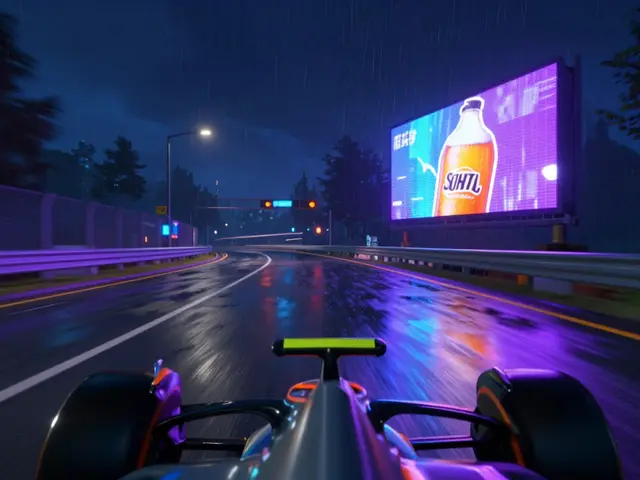
You’re playing a racing game, speeding down a digital highway. On the side of the track, you see a billboard for a soda brand. It’s not a pop-up that interrupts your flow. It doesn’t pause the action. You glance at it, maybe remember the brand later, and keep driving. That is in-game advertising. It is one of the fastest-growing channels in digital marketing because it reaches audiences where they are most engaged, without annoying them.
Traditional online ads have hit a wall. Ad blockers are everywhere. Banner blindness is real. But gamers? They spend hours immersed in virtual worlds. For brands, this isn’t just about visibility; it’s about integration. The question is no longer if you should advertise in games, but how to do it right without losing the trust of the players.
What Is In-Game Advertising?
In-Game Advertising is a form of digital advertising where brands place their messages within the environment of a video game. Unlike traditional display ads that sit on top of content, these ads live inside the content itself.
Think of it as product placement, but for the screen. When Tony Stark drives a Tesla in an Iron Man movie, that’s product placement. When a character in Fortnite drinks a fictional energy drink that looks suspiciously like Red Bull, or when a billboard in Gran Turismo displays a real Nike logo, that’s in-game advertising.
The key difference between this and other digital ads is context. The ad is part of the scenery. It respects the user’s experience. This makes it highly effective for building brand awareness rather than immediate clicks. You aren’t forcing a sale; you’re embedding a memory.
Why Brands Are Shifting Budgets to Gaming Ads
The gaming industry has officially overtaken Hollywood and the music industry combined in terms of revenue. By 2025, over 3 billion people were playing video games globally. That is a massive audience. More importantly, it’s an audience that is young, tech-savvy, and hard to reach through traditional TV or print media.
Here is why marketers are moving money here:
- High Engagement: Gamers don’t just look at screens; they interact with them. Attention spans in gaming sessions are measured in hours, not seconds.
- Ad Blocker Immunity: Since the ad is rendered by the game engine itself, standard browser-based ad blockers can’t stop it.
- Brand Safety: Games offer controlled environments. You know exactly what surrounds your brand. There are no unexpected news articles or controversial comments next to your banner.
- Measurable Impact: Modern platforms provide data on viewability, engagement rates, and even lift in brand recall.
It’s not just about reaching Gen Z. Older demographics are gaming too. The average age of a gamer is now in the mid-30s. If your target market owns a smartphone or a console, they are likely exposed to this channel.
Types of In-Game Ad Formats
Not all in-game ads are created equal. Some are static images baked into the code. Others change dynamically based on who is playing. Understanding these formats helps you choose the right strategy for your campaign goals.
| Format Type | Description | Best For | Interactivity Level |
|---|---|---|---|
| Static Placements | Fixed billboards or logos embedded in the game design at launch. | Long-term brand association, major franchises. | Low (Passive viewing) |
| Programmatic/Dynamic | Digital screens in-game that update in real-time via APIs. | Performance marketing, time-sensitive promotions. | Medium (Can include QR codes) |
| In-Game Video Ads | Short videos played during loading screens or intermissions. | Storytelling, product launches. | Low (Interruptive but contained) |
| Playable Ads | Mini-games that let users try a mechanic before downloading. | User acquisition for mobile games. | High (Active participation) |
| Sponsored Items | Branded skins, weapons, or vehicles purchasable or earnable in-game. | Deep engagement, merchandise sales. | High (Ownership) |
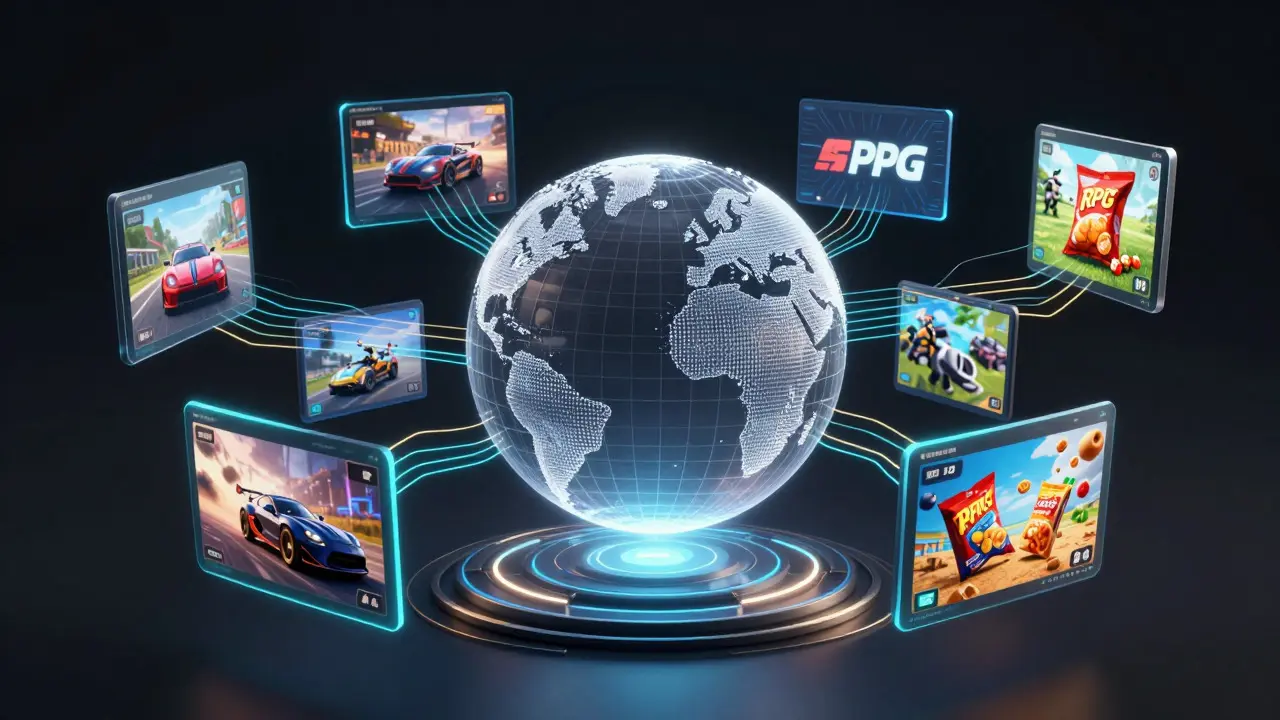
Programmatic in-game advertising is the current gold standard for flexibility. It allows advertisers to swap out a billboard image instantly across millions of devices. If you run a flash sale, you can update the ad in the game to reflect that discount immediately. Static placements are better for legacy brands wanting a permanent presence in iconic locations, like the Coca-Cola sign in Times Square within a simulation game.
How Programmatic In-Game Ads Work
If you’ve never worked with programmatic advertising, it might sound complex. At its core, it’s automated buying and selling of ad space using software. In the context of gaming, it works like this:
- Data Collection: The game publisher integrates an SDK (Software Development Kit) from an ad platform. This tracks anonymous player data like location, device type, and playtime.
- Auction: When a player loads a scene with a digital billboard, the system sends a bid request to an ad exchange.
- Bidding: Advertisers bid for that impression based on the player’s profile. If you want to target car enthusiasts in Australia, you bid higher when those users appear.
- Delivery: The winning ad creative is downloaded and rendered into the game world in real-time.
This process happens in milliseconds. The player sees the ad seamlessly integrated into the texture of a wall or screen within the game. Because it’s dynamic, you can A/B test different creatives to see which performs better, just like you would with Facebook or Google ads.
Targeting Audiences in the Gaming World
One of the biggest advantages of in-game advertising is precision. You aren’t spraying and praying. You can target based on several layers of data:
- Contextual Targeting: Place sports car ads in racing games. Put fitness supplements in workout simulation games. The context matches the interest.
- Demographic Targeting: Use age, gender, and location data. Want to promote a new anime series? Target younger audiences in Japan and North America.
- Behavioral Targeting: Target players who have been active for more than six months. These are loyal users who influence their social circles.
- Device Targeting: Serve high-end graphics ads only to PC and console users, while serving simpler versions to mobile users with lower bandwidth.
For example, a luxury watch brand might target male players aged 25-40 playing first-person shooters on high-end PCs. A fast-food chain might target families playing casual puzzle games on tablets during weekends. The specificity reduces waste and increases relevance.
Measuring Success: KPIs for In-Game Ads
How do you know if your in-game ad campaign worked? Traditional click-through rates (CTR) often don’t apply here because there’s rarely a button to click. Instead, you need to look at different metrics.
Viewability is the baseline. Did the ad actually render on the screen? Was it visible for at least one second? Most platforms guarantee high viewability because the ad is part of the game environment.
Brand Lift Studies are crucial. After the campaign, survey a group of players who saw the ad and compare them to a control group who didn’t. Did they recognize the brand? Did their perception change? This measures the psychological impact.
Engagement Rate applies to interactive formats. If you used a playable ad, did the user complete the mini-game? If you used a QR code on a billboard, did they scan it? These actions indicate deeper interest.
Return on Ad Spend (ROAS) can be tracked if you use unique promo codes or deep links. For instance, "Use code FORTNITE20 for 20% off." This directly ties the in-game exposure to offline or web sales.
Pitfalls to Avoid in In-Game Advertising
Despite its benefits, in-game advertising can backfire if done poorly. Here are the common mistakes brands make:
- Being Too Intrusive: If the ad blocks the player’s view or pauses the game unexpectedly, they will resent the brand. Respect the gameplay loop.
- Poor Context Fit: Don’t put funeral home ads in a party game. Ensure the brand values align with the game’s tone. A violent shooter might not be the best place for a family-friendly toy brand.
- Ignoring Platform Differences: Mobile gamers have different expectations than PC gamers. What works on a small touchscreen might look cluttered on a 4K monitor.
- Lack of Creativity: A static JPEG pasted onto a wall looks cheap. Invest in high-quality assets that match the game’s art style. If the game is cartoonish, make your ad cartoonish.
Brand safety is also a concern. While games are generally safe, some multiplayer environments allow user-generated content. Ensure your partner platform has moderation tools to prevent your brand from appearing next to toxic chat or inappropriate custom maps.
The Future of In-Game Advertising
We are moving toward more immersive experiences. With the rise of Virtual Reality (VR) and Augmented Reality (AR), ads will become even more integrated. Imagine walking through a virtual store in VR and picking up a physical product that feels real. Or seeing a pair of shoes placed on your actual street via AR glasses.
AI will also play a bigger role. Dynamic ads could change based on the weather outside. If it’s raining in Sydney, the billboard in the game shows an umbrella. If it’s sunny, it shows sunglasses. This level of personalization creates a magical connection between the digital and physical worlds.
Furthermore, the metaverse concept, though still evolving, suggests persistent digital identities. Brands will need to build long-term homes in these spaces, not just rent billboards. Think of it as building a flagship store in a digital city. The strategies will shift from short-term campaigns to long-term community building.
Getting Started: A Checklist for Marketers
Ready to try in-game advertising? Here is a simple path to get started:
- Define Your Goal: Are you looking for brand awareness or direct sales? This determines the format you choose.
- Select the Right Partner: Work with established in-game ad networks like Voodoo, Unity LevelPlay, or specialized agencies like Havas Sports & Entertainment. They have access to premium titles and data.
- Create Native Creative: Design assets that fit the visual style of the game. Consult with the game developers if possible to ensure technical compatibility.
- Start Small: Run a pilot campaign in one or two games. Test different audiences and creatives.
- Analyze and Scale: Review the brand lift and engagement data. If it works, expand to more titles and regions.
In-game advertising is not a magic bullet, but it is a powerful tool in the modern marketer’s kit. It offers a way to connect with audiences in a meaningful, non-disruptive way. As technology advances, the line between game and ad will blur further, making authenticity and creativity more important than ever.
Is in-game advertising suitable for small businesses?
Yes, but with caveats. Large-scale programmatic deals often require significant budgets. However, smaller businesses can participate through self-serve platforms on mobile ad networks. Focus on hyper-local targeting or niche indie games where competition for ad space is lower. Start with modest goals like brand awareness rather than direct ROI.
How much does in-game advertising cost?
Costs vary widely based on the game title, audience size, and format. CPMs (Cost Per Mille) for in-game ads typically range from $5 to $20, depending on the platform and exclusivity. Premium titles with dedicated audiences may charge higher rates. Interactive formats like playable ads usually have higher costs per install but better conversion rates.
Can I track conversions from in-game ads?
Direct tracking is challenging due to privacy regulations and the closed nature of game ecosystems. However, you can use attribution modeling, unique promo codes, and branded search volume spikes to estimate impact. Advanced platforms offer post-view conversion tracking if the user visits your website after seeing the ad.
What are the best games for advertising?
It depends on your target audience. Mass-market titles like Fortnite, FIFA (now EA Sports FC), and Minecraft offer huge reach. Niche games like SimCity or specific RPGs offer targeted audiences. Mobile casual games are great for broad consumer goods. Always align the game genre with your brand values.
How do I ensure my brand is safe in gaming environments?
Choose reputable ad networks with strict brand safety filters. Request whitelists of approved games. Monitor user-generated content features if your ad appears in customizable areas. Regular audits of ad placement contexts are essential to avoid association with toxic communities or inappropriate content.


Write a comment