AI Fact-Checking: How AI Tools Are Fighting Misinformation Online
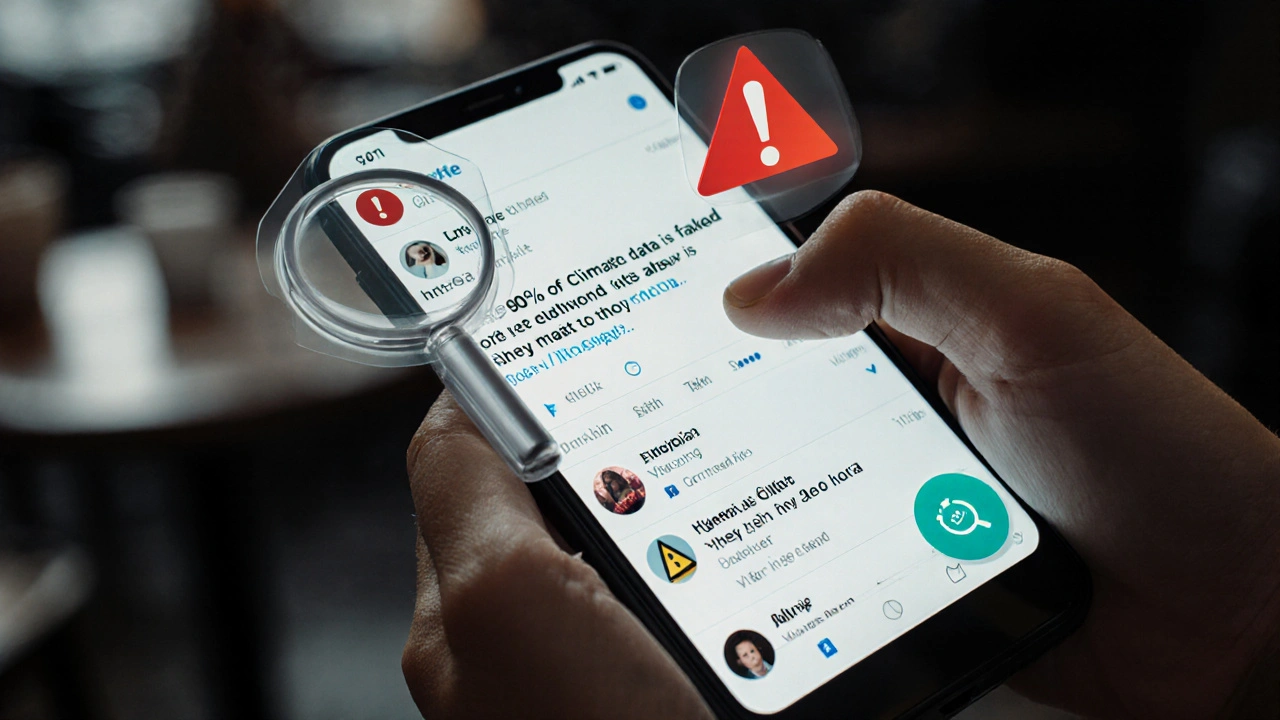
When you see a shocking headline, a viral video, or a post that feels too wild to be true, AI fact-checking, the use of artificial intelligence to verify claims, detect falsehoods, and trace misinformation sources. Also known as automated truth verification, it’s no longer science fiction—it’s the frontline defense against digital lies. Every day, millions of pieces of false content spread online. AI fact-checking doesn’t wait for humans to catch up. It scans, compares, and flags misinformation in seconds—using data from trusted sources, image analysis, and language patterns.
It’s not just about spotting fake news. AI misinformation, false or misleading content generated or amplified by AI systems is growing faster than ever. Tools like ChatGPT can now write convincing lies tailored to your beliefs, making it harder to tell truth from fiction. That’s why AI detection tools, software designed to identify AI-generated text, deepfakes, and synthetic media are becoming essential. These tools look at word patterns, inconsistencies in logic, and hidden digital fingerprints that humans miss. They’re used by newsrooms, social platforms, and even everyday users who want to avoid sharing falsehoods.
But AI fact-checking isn’t perfect. It can be fooled by cleverly crafted lies, especially when they mix truth with half-truths. It also struggles with context—like sarcasm, cultural references, or evolving slang. That’s why the best systems combine AI with human judgment. Real success comes when tools flag suspicious content, and trained reviewers decide what’s real. The goal isn’t to replace people—it’s to give them superpowers.
You’ll find posts here that show exactly how this works in practice. From how ChatGPT is being used to generate propaganda, to how marketers are using AI to spot fake reviews, to how small businesses are protecting their reputation by checking claims before they spread. Some posts are about tools you can use today. Others warn you about the dangers of trusting AI too much. All of them are grounded in real examples from 2025—not theory, not hype. This isn’t about future possibilities. It’s about what’s already happening—and what you need to know to stay ahead.