
Ever paused a game to watch a 30-second ad for a pizza place, only to realize you’re still stuck on level three? You’re not alone. In-game ads have exploded over the last five years, turning every idle moment in a mobile game into a potential ad slot. From sponsored weapons in battle royales to billboards in racing sims, ads are no longer just in the margins-they’re in the middle of the action.
Why In-Game Ads Are Everywhere Now
It’s simple math: mobile games make billions, but only a tiny slice of players pay for premium features. The rest? They’re free-to-play, and advertisers are happy to pay to reach them. In 2025, the global in-game advertising market hit $24 billion, up from $5 billion in 2020. That’s a 380% increase in just five years.
Game studios don’t just slap ads in-they bake them in. A game like Call of Duty: Mobile now features real-world brands like Red Bull and Nike as in-game sponsors. You’re not just shooting enemies-you’re running through a virtual Red Bull zone. In Grand Theft Auto Online, billboards change based on real-time campaigns. Even casual games like Candy Crush now serve video ads between levels, often with rewards like extra moves or power-ups.
It’s not just about money. For developers, ads are often the only way to keep games alive. A game like Clash Royale might have 10 million daily players, but only 2% pay. Ads cover the rest: server costs, updates, new characters. Without them, many free games would shut down.
What Players Actually Feel About These Ads
Not everyone’s thrilled. A 2025 survey of 12,000 mobile gamers found that 68% felt ads disrupted their gameplay. The worst offenders? Full-screen video ads that pop up mid-battle, or interstitials that load for 15 seconds right after you finally beat a boss.
But here’s the twist: the same survey found that 54% of players didn’t mind ads if they got something in return. Give me a free skin, extra lives, or a bonus coin pack after watching a 15-second ad? Fine. I’ll even watch it twice. But force me to watch five in a row? That’s where the rage kicks in.
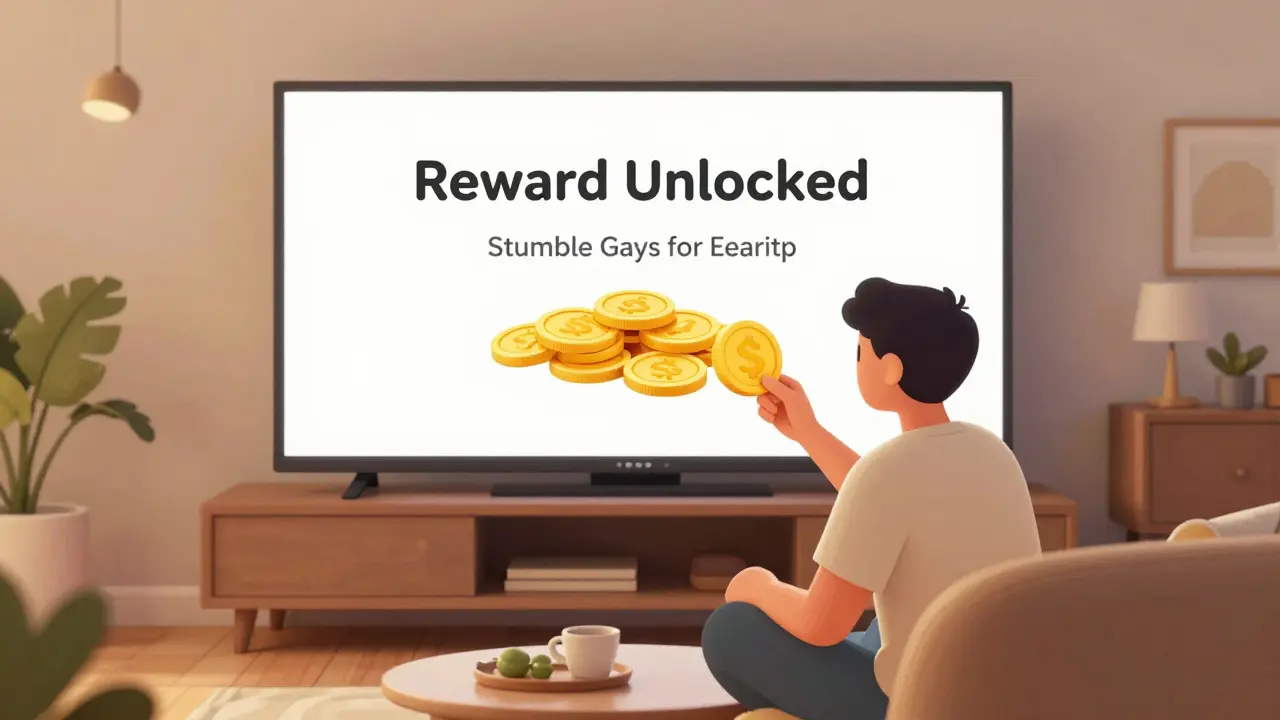
Some games got smart. Stumble Guys lets you choose: watch one ad for 50 coins, or wait 10 minutes for them to regenerate. No pressure. No interruption. That’s the sweet spot. Players feel in control. That’s the key.

The Rise of Native and Contextual Ads
The worst ads feel like someone glued a billboard to your windshield. The best ones? You barely notice them.
Take SimCity BuildIt. Instead of slapping a Coca-Cola logo on a building, the game lets you build a real Coca-Cola factory as part of your city. It’s not an ad-it’s a functional building that produces resources. Players love it because it adds depth, not distraction.
Same with CSR Racing 2. You’re racing a Ferrari, but it’s not just a random car-it’s an actual sponsored model from the real brand. The car’s stats, paint job, even the sound effects match the real thing. That’s native advertising done right: it enhances the game, doesn’t break it.
Even weather apps are getting in on it. In Clash of Clans, the in-game weather changes based on real-time conditions in your city. If it’s raining in Brisbane, your village gets a rainstorm. It’s subtle, useful, and feels like part of the world-not an interruption.
How Ad Frequency Kills Player Retention
It’s not what the ads are-it’s how often they show up.
A study by game analytics firm GameRefinery tracked 2.3 million players across 87 games. They found that players who saw more than three ads per session were 62% more likely to uninstall the game within 48 hours. The drop-off was sharpest in games under 15 minutes long. Why? Because every ad feels like a lifetime in a short game.
Games like Wordle or 2048 get away with one ad per day. But when a 10-minute match in Among Us gets interrupted by two video ads and a banner, players revolt. One Reddit thread titled “Why I quit Among Us” got 17,000 upvotes. The top comment? “I didn’t hate the game. I hated the ads.”
There’s a rule of thumb among top developers: never show more than one ad per 15 minutes of gameplay. And never, ever interrupt core actions-like shooting, driving, or building.
What’s Next? The Future of In-Game Ads
Ad tech is getting smarter. AI now tracks not just how long you play, but how you play. If you always buy the fastest car in a racing game? You’ll start seeing ads for performance tires. If you never spend on skins? You’ll get ads for cosmetic bundles that match your style.
Some studios are testing dynamic ad insertion-where ads change based on your real location. If you’re in Tokyo, you might see a sushi brand. In Sydney? A local coffee chain. It’s creepy, but effective. One game, My Town: Hospital, saw a 40% increase in ad revenue after implementing geo-targeted ads.
But there’s a line. Players are okay with ads that feel like part of the world. They’re not okay with ads that feel like surveillance. The next big battle won’t be about ad frequency-it’ll be about trust.
Some companies are already testing opt-in ad systems. In Stumble Guys, you can now choose to enable “Ad Rewards Mode.” You get more rewards, but you agree to see ads. No forced interruptions. Just choice. That’s the future.
What Game Developers Should Do
If you’re building a game, here’s what works:
- Use rewarded ads, not forced ones. Let players choose.
- Keep ads out of core gameplay. No ads during fights, races, or builds.
- Make ads contextual. A sports game should feature sports brands, not toothpaste.
- Limit frequency. One ad per 15 minutes max.
- Give value. Coins, lives, power-ups-something real.
And if you’re a player? You’ve got power. Uninstall the game. Leave a review. Tell the devs. The market listens when enough people speak up.
Are in-game ads legal?
Yes, they’re legal in most countries, but rules vary. In the EU, ads targeting children under 13 must be clearly labeled and can’t use manipulative tactics. In the US, the FTC requires that ads be distinguishable from game content. If an ad looks like part of the game, it must be labeled as sponsored. Failure to do so can lead to fines.
Do in-game ads affect game performance?
Sometimes. Poorly coded ad networks can cause lag, especially on older phones. A 2025 test by TechRadar found that games with heavy ad loading slowed down by 18% on devices with less than 4GB RAM. Developers now prioritize lightweight ad SDKs, but not all do. If your game freezes right after an ad plays, it’s likely the ad network, not the game itself.
Can I block in-game ads?
On mobile, you can’t block ads without modifying the app-which violates most terms of service and can get your account banned. On PC, some players use ad blockers, but many games now detect them and lock features. The only safe way? Pay for the ad-free version if it exists, or stick to games with fair ad policies.
Why do some games have no ads at all?
Some games rely on one-time purchases, subscriptions, or in-app items like skins and expansions. Games like Stardew Valley or Monument Valley don’t need ads because they charge upfront. These games often have higher player satisfaction, but they’re rarer. Most mobile games can’t survive without ad revenue.
What’s the most annoying type of in-game ad?
Full-screen video ads that play during gameplay. Especially when they start automatically without a skip button. Players report these as the #1 reason for uninstalling games. Even worse? Ads that play after you’ve just lost a match. It feels like punishment.

Write a comment