
Think about the last time you played a mobile game. Did you notice that billboard in the racing game? Or the soda can sitting on the virtual table in your favorite battle royale? Those aren’t just background details-they’re paid ads, and they’re working better than TV commercials ever did.
The Shift From Interrupting to Immersing
Traditional ads scream for attention. They interrupt your show, your scroll, your day. In-game ads don’t do that. They blend in. They become part of the world you’re already invested in. That’s why players don’t skip them-they don’t even notice they’re ads until later.
A 2024 study by Newzoo found that 68% of mobile gamers say they don’t mind branded items in games if they feel natural. Compare that to 92% of people who skip TV ads entirely. The difference isn’t just about placement-it’s about context. When a Nike jersey appears on a virtual athlete in FIFA, it doesn’t feel like an ad. It feels like reality.
How In-Game Ads Actually Work
There are two main types of in-game ads you’ll see today: static and dynamic.
Static ads are baked into the game. Think of the Coca-Cola logo on a vending machine in Call of Duty. That logo was placed during development and won’t change unless the game gets patched. These are cheaper and easier to implement, but they lack flexibility.
Dynamic ads, on the other hand, change in real time. Using real-time data, a game can show you a local pizza place ad if you’re playing in Sydney, or a new movie poster if the film just dropped in theaters. This is powered by ad networks like AdMob, Unity Ads, and IronSource, which connect game developers with advertisers through APIs.
Dynamic ads aren’t just smart-they’re targeted. If you’re a 19-year-old who plays Fortnite every weekend and spends $20 a month on skins, you’ll see ads for gaming headsets or energy drinks. If you’re a 45-year-old who plays Words With Friends, you’ll see ads for retirement planning tools or prescription discounts. The targeting is that precise.
Why Brands Are Moving Budgets From TV to Games
In 2025, the global in-game advertising market hit $21.8 billion. That’s up from $6.3 billion in 2020. Meanwhile, TV ad spending dropped 7% last year. Why? Because the audience has moved.
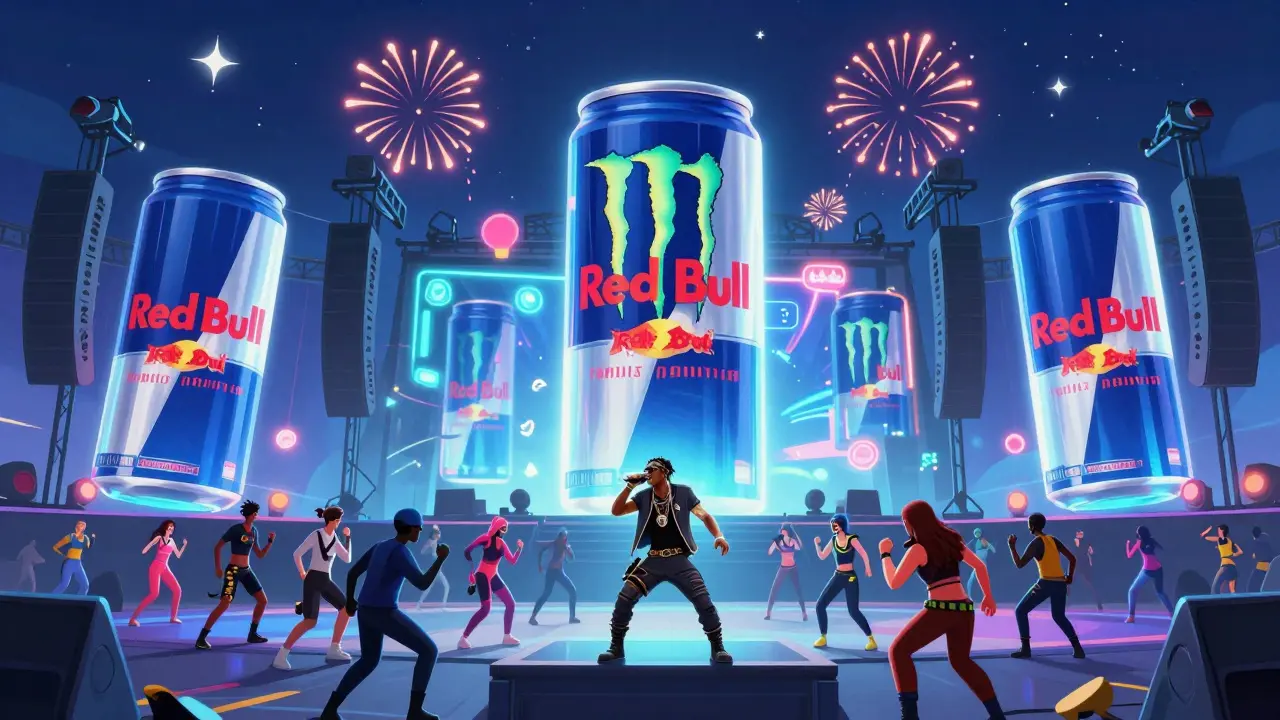
Fortnite alone has over 200 million monthly players. That’s more than the entire population of Brazil. And those players aren’t just watching-they’re interacting. In 2023, Travis Scott’s virtual concert in Fortnite drew 12 million live viewers. That’s more than the Super Bowl halftime show. Brands realized: if you want to reach Gen Z and younger Millennials, you don’t buy a 30-second spot. You build an experience.
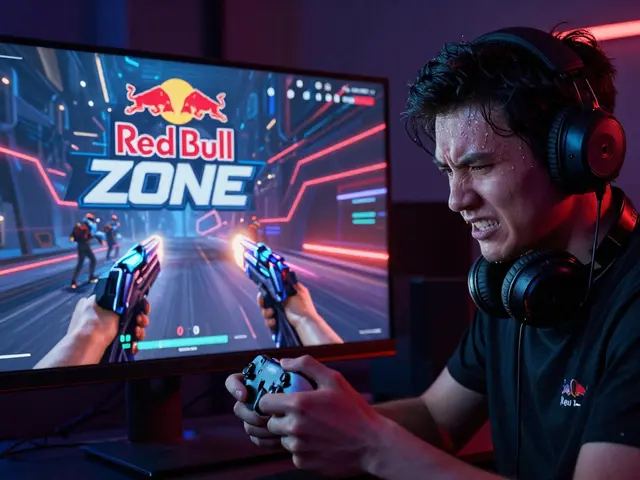
Red Bull didn’t just slap its logo on a racing game. They created a full racing league inside Rocket League with real-world prizes. BMW turned their new electric car into a playable vehicle in Forza Horizon 5. These aren’t sponsorships. They’re product integrations that turn players into brand advocates.
The Psychology Behind Why It Works
People don’t trust ads. But they trust their favorite games. When a brand becomes part of a game’s world, it borrows that trust. It’s called the immersion effect.
Research from the University of California showed that players exposed to branded items in games had a 42% higher recall rate than those who saw the same ads on YouTube. Even more telling: 57% of players said they’d consider buying a product they saw in a game, compared to only 28% for traditional digital ads.
Why? Because games create emotional investment. You care about your character. You care about winning. You care about the world. When a brand becomes part of that world, it stops being an outsider. It becomes a teammate.
Where It’s Going Next: AI, AR, and Real-Time Personalization
The next wave of in-game ads won’t just be dynamic-they’ll be intelligent.
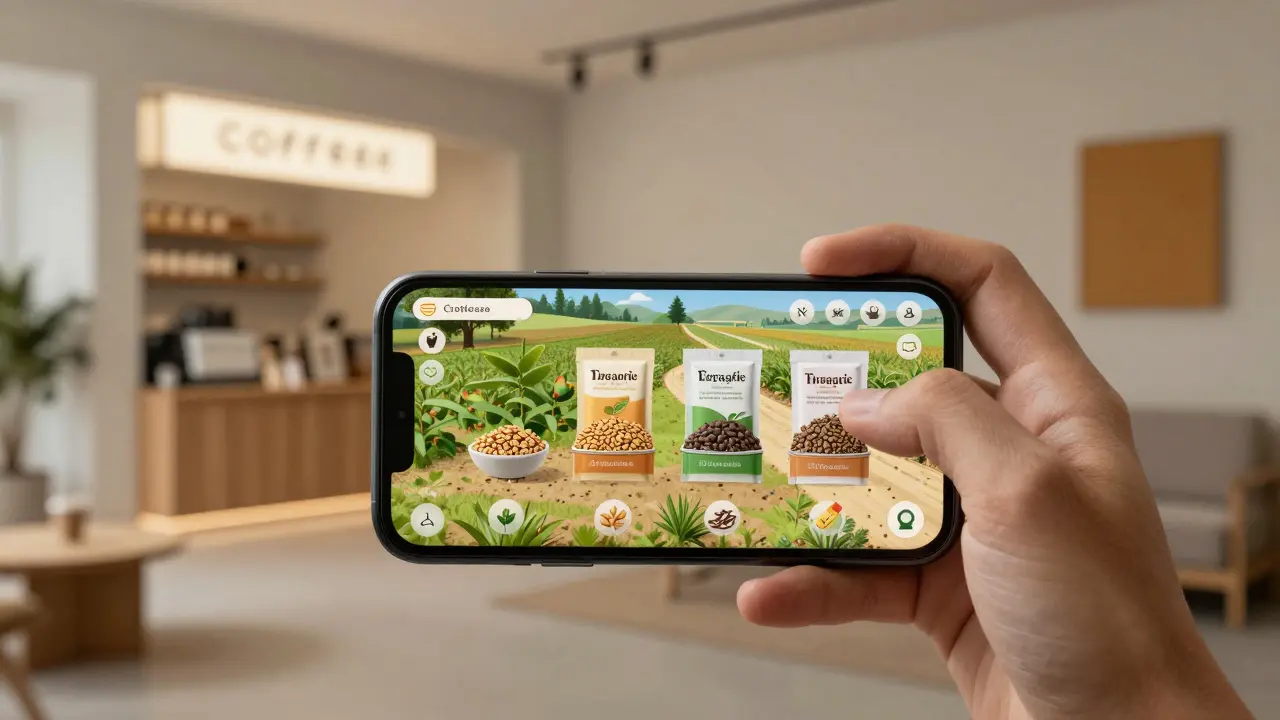
Imagine playing a farming sim and seeing an ad for organic seeds that changes based on your in-game crop choices. Or a fitness game that recommends protein powder after you complete a 10-mile run in VR. That’s not sci-fi-it’s already being tested by companies like Unity and Epic Games.
AI is now analyzing player behavior in real time. If you’ve been avoiding violence in your game, you won’t see ads for military gear. If you’ve spent 20 hours building a house in The Sims, you’ll get targeted offers for IKEA furniture or home improvement apps.
Augmented reality is also stepping in. Pokémon GO proved that location-based ads work. Now, games like Minecraft and Roblox are testing AR overlays where real-world stores appear as virtual shops inside the game. Walk into a real Starbucks? You get a discount code in the game. It’s not advertising. It’s reward.
The Risks and How to Avoid Them
Not every brand gets it right. When a luxury watch brand slapped its logo on a character’s wrist in a kids’ game, parents revolted. When a fast-food chain pushed sugary snacks into a fitness app, the backlash went viral.
There are three rules brands are learning the hard way:
- Don’t break immersion. If the ad looks fake, it fails.
- Don’t target children with unhealthy products. Regulators are watching-and fining.
- Don’t overload. Too many ads feel like spam, not synergy.
Successful campaigns are subtle. They’re earned, not forced. The best in-game ads feel like Easter eggs-something you discover, not something that hits you.
What This Means for Marketers
If you’re still running banner ads or YouTube pre-rolls, you’re missing the shift. The future of marketing isn’t about grabbing attention. It’s about becoming part of the experience.
Here’s what you need to do:
- Identify games your audience actually plays-not the ones you think they play.
- Work with developers early. Don’t just buy ad space. Co-create content.
- Test small. Start with one game, one region, one product.
- Track real engagement: not just clicks, but how long players look at the ad, whether they interact with it, and if they mention it online.
The goal isn’t to sell something in the game. It’s to make the game feel like it’s selling something for you.
Final Thought: The Line Between Game and Ad Is Disappearing
Twenty years ago, ads were outside the experience. Today, they’re inside it. Tomorrow, they’ll be indistinguishable from it.
That’s not a threat. It’s an opportunity. The players aren’t avoiding ads anymore-they’re waiting for them. Not because they love commercials. But because they love the worlds they’re in. And if your brand can become part of that world, you don’t just reach them. You belong to them.
Are in-game ads effective for small businesses?
Yes, but only if they’re targeted right. Small businesses can buy localized dynamic ads in hyper-casual games like Candy Crush or Subway Surfers. For example, a local coffee shop in Brisbane can show up as a virtual café in a game played by teens in the same suburb. Costs start as low as $500 per campaign, and ROI is often 3x higher than Facebook ads because the audience is already engaged.
Can in-game ads be blocked like banner ads?
Not easily. Unlike web banners, in-game ads are embedded into the game’s environment. You can’t install an ad blocker that removes a branded car in a racing game without breaking the game itself. Some players use modded versions to remove ads, but that’s against terms of service and often results in account bans. Most players accept them because they’re not intrusive.
Do in-game ads work on older players, or just Gen Z?
They work on everyone who plays. The average gamer is now 35 years old. Games like Animal Crossing and The Sims attract older audiences, and brands like Volvo and L’Oréal have successfully placed ads in these titles. The key isn’t age-it’s relevance. A retirement planning ad in a puzzle game played by 50-year-olds performs better than a Fortnite skin ad.
How do game developers make money from in-game ads?
Most free-to-play games rely on ads for revenue. Developers earn between $0.50 and $5 per 1,000 ad impressions, depending on the game and region. Top developers like Supercell and Zynga make hundreds of millions annually from ads alone. Some games offer players rewards-like extra coins or skins-in exchange for watching an ad. This boosts engagement and increases ad value.
Is there a risk of player backlash against in-game ads?
Absolutely. If ads feel forced, out of place, or exploitative, players will call it out. In 2024, a major game faced protests when a tobacco brand appeared in a children’s game. The backlash led to a public apology and removal of the ad. The lesson? Always align your brand with the game’s values. Don’t sell vapes in a game about healthy living. Play nice.

Write a comment