
Imagine you are playing your favorite racing game. You are driving a sleek sports car down a virtual highway. Suddenly, a billboard flashes by. It’s not for a fictional soda brand; it’s a real-time advertisement for a new energy drink, featuring the same packaging you see in local supermarkets. This isn’t a glitch. It is in-game ads, and they are reshaping how brands reach audiences.
The era of interruptive pop-ups and banner blindness is fading. Gamers, especially younger demographics, spend hours immersed in digital worlds. They ignore traditional ads but engage deeply with content that feels like part of the experience. In 2026, in-game advertising has evolved from static billboards to dynamic, programmatic placements that change based on who is playing, where they are, and what time it is.
How In-Game Advertising Works Today
In-game advertising refers to placing promotional content within video games. Unlike social media feeds where users scroll past ads, games offer an environment of high engagement and low distraction. The technology behind this has shifted dramatically over the last five years.
Early in-game ads were static. Developers hard-coded a billboard into the game code. If a brand wanted to update the image, the entire game had to be patched. This was slow, expensive, and limited flexibility. Today, most major titles use dynamic ad insertion (DAI). Think of it like streaming video ads, but for interactive environments. An ad server sends creative assets to the game client in real-time. The game renders the ad as if it were always there.
| Feature | Static Ads | Dynamic/Programmatic Ads |
|---|---|---|
| Update Frequency | Requires game patch | Real-time changes |
| Targeting Capability | None (same for all players) | Highly specific (location, behavior, demographics) |
| Cost Efficiency | Lower CPMs due to lack of data | Higher CPMs due to precision targeting |
| Brand Safety | Harder to control context | Easier to exclude inappropriate contexts |
This shift allows marketers to treat in-game inventory like any other digital channel. You can bid on impressions through real-time bidding (RTB) platforms. If a player in Sydney opens a football simulation game, they might see an ad for a local stadium event. A player in London sees a different ad entirely. This level of personalization drives higher click-through rates and better return on investment.
Why Brands Are Betting Big on Gaming
The numbers tell a clear story. By 2025, the global gaming audience exceeded 3 billion people. That is nearly half the world’s population. More importantly, gamers have money. The average gamer spends significantly more on entertainment and tech than non-gamers. For brands, this is an untapped reservoir of purchasing power.
Traditional TV viewership is declining among Gen Z and Alpha. These generations do not watch linear television. They stream content and play games. If your marketing strategy relies solely on YouTube pre-roll or Instagram stories, you are missing a massive segment of consumers. In-game ads allow brands to meet these users where they already are.
Consider the automotive industry. Car manufacturers cannot easily advertise on mobile apps due to screen size limitations. However, in a racing simulator, they can place their latest model on a virtual track. Players interact with the car, learn its features, and associate the brand with performance and fun. This builds brand equity in a way that a 15-second video ad never could.

Types of In-Game Ad Placements
Not all in-game ads look the same. The format depends on the genre of the game and the goals of the advertiser. Understanding these formats helps you choose the right approach for your campaign.
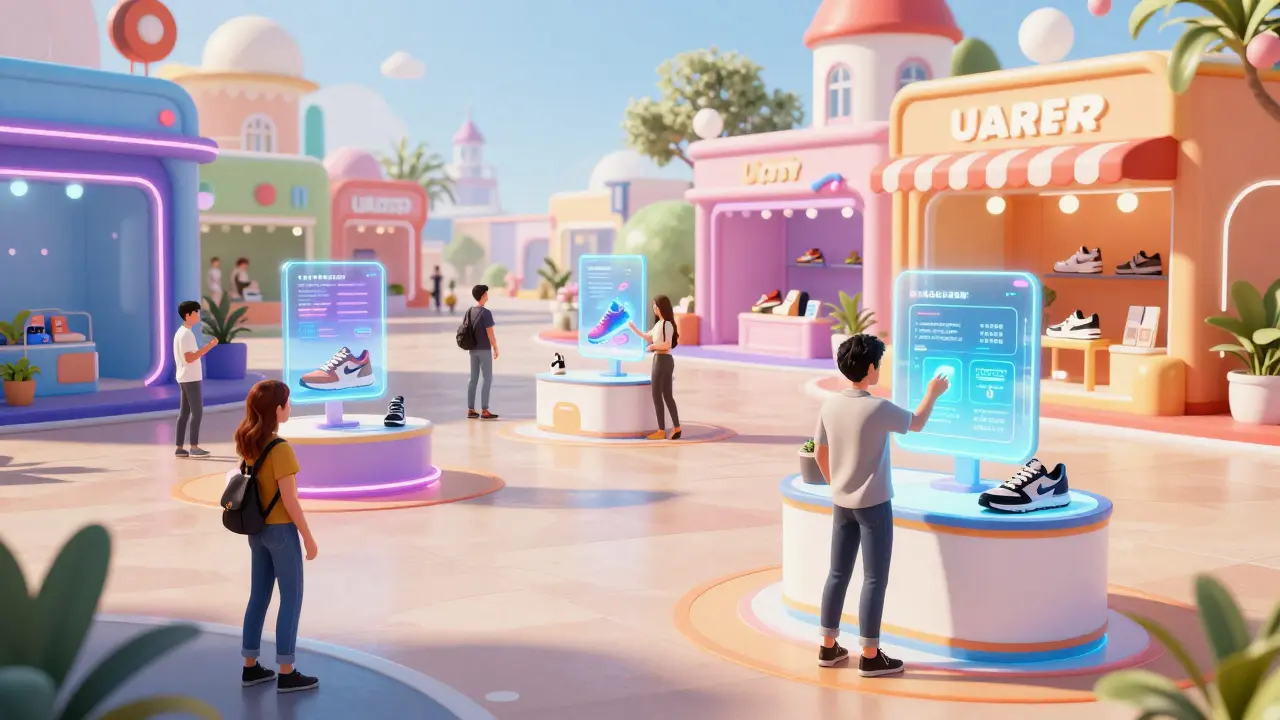
- Environmental Placements: These are ads integrated into the game world. Billboards, posters, bus wraps, and building wraps fall into this category. They feel natural because they mimic real-world advertising. For example, a skyscraper in a city-building game might display a logo for a tech company.
- In-App Ads: Common in free-to-play mobile games, these include interstitials (full-screen ads between levels), rewarded videos (watch an ad to get extra lives), and banners. While sometimes annoying, rewarded videos have high completion rates because players choose to watch them for benefits.
- Esports Sponsorships: This goes beyond simple ads. Teams wear branded jerseys, arenas feature sponsored logos, and broadcasts include overlay graphics. Esports events draw millions of live viewers, offering a similar scale to traditional sports broadcasting.
- Product Placements: Similar to movies, characters in games might use real products. A protagonist might drink a specific brand of coffee or drive a real car. This creates subtle brand association without breaking immersion.
Each format has its strengths. Environmental placements offer brand safety and contextual relevance. In-app ads provide direct response metrics. Esports sponsorships build long-term community loyalty. Successful campaigns often mix several types to maximize reach and impact.
Measuring Success in a Virtual World
One of the biggest challenges in early in-game advertising was measurement. How do you know if someone saw the billboard? Did they care? Traditional web analytics tools like cookies do not work inside closed game ecosystems. Games run in secure sandboxes to prevent cheating, which also blocks third-party tracking scripts.
To solve this, the industry developed new verification standards. Platforms like Xaxis and Voodoo partner with game developers to embed measurement SDKs (Software Development Kits). These tools track impressions, viewability, and clicks without compromising game security. Viewability is defined strictly: an ad must be visible for at least one second to count as an impression.
Brands now rely on post-view conversion tracking. Since direct clicks are rare for environmental ads, marketers measure lift in search volume, website traffic, and sales during and after the campaign. For example, a snack brand running ads in a popular shooter game might see a spike in online orders for that product line within 48 hours of the campaign launch.
Return on Ad Spend (ROAS) varies by genre. Mobile casual games tend to have lower ROAS due to smaller user spending habits. Console and PC games, particularly competitive shooters and sports sims, show higher engagement and better conversion potential. Always align your budget with the platform’s demographic profile.
Pitfalls and Ethical Considerations
In-game advertising is not without risks. The primary concern is brand safety. Games contain diverse content, some of which may be violent or controversial. An ad placed in a chaotic battle scene could reflect poorly on the brand. Marketers must use exclusion lists and context-aware targeting to avoid inappropriate associations.
Another issue is ad fatigue. If every surface in a virtual city is covered in logos, the experience becomes cluttered and frustrating. Players may uninstall the game or develop negative feelings toward the brands involved. Subtlety is key. Ads should enhance the realism of the world, not distract from the gameplay.
Data privacy is also critical. With GDPR in Europe and various state laws in the US, collecting user data for targeted ads requires explicit consent. Game developers must comply with these regulations. Transparent data practices build trust with both players and advertisers.
The Future of Interactive Advertising
Where does in-game advertising go from here? Two trends stand out. First, the rise of the metaverse and persistent virtual worlds. As platforms like Roblox and Fortnite continue to grow, they become destinations rather than just games. Brands are opening virtual stores, hosting concerts, and creating interactive experiences. This shifts advertising from passive viewing to active participation.
Second, AI-driven personalization will deepen. Machine learning algorithms will analyze player behavior in real-time to serve hyper-relevant ads. If a player frequently buys virtual skins for their character, they might receive offers for related merchandise. This level of customization promises higher efficiency but raises questions about surveillance and manipulation.
For marketers, the message is clear. In-game ads are no longer a niche experiment. They are a core component of modern digital strategy. To succeed, you need to understand the gaming culture, respect the player experience, and leverage the right technology. The future of advertising is interactive, immersive, and incredibly engaging.
What is the cost of in-game advertising?
Costs vary widely depending on the platform and placement type. Programmatic in-game ads typically range from $5 to $20 per thousand impressions (CPM). Premium placements in top-tier console games or exclusive esports sponsorships can cost significantly more, often requiring six-figure budgets. Mobile rewarded videos are generally cheaper, averaging $2 to $5 CPM.
Are in-game ads effective for small businesses?
Yes, especially through programmatic platforms that allow for flexible budgeting. Small businesses can target specific geographic regions or interests within popular mobile games. Rewarded video ads in casual games offer a low-risk entry point. Focus on brands with strong visual identity and clear value propositions to maximize impact.
How do I prevent my ads from appearing in inappropriate game scenes?
Use brand safety filters provided by ad networks. Most major platforms allow you to exclude specific genres (e.g., extreme violence) or keywords. Additionally, request whitelists of approved games and review their content ratings before launching campaigns. Contextual targeting ensures your ads appear in safe, relevant environments.
Can I track conversions from in-game ads?
Direct tracking is limited due to privacy restrictions. However, you can measure success through lift studies, comparing sales and web traffic before, during, and after the campaign. Use unique promo codes or landing page URLs displayed in the ads to attribute offline or indirect conversions accurately.
Which games are best for advertising?
Popular titles with large, engaged audiences perform best. Sports simulations (like FIFA or NBA 2K), racing games (like Forza), and battle royales (like Fortnite) offer high visibility. Mobile puzzle and strategy games also provide excellent opportunities for rewarded video ads. Choose games that align with your target demographic and brand values.



Write a comment