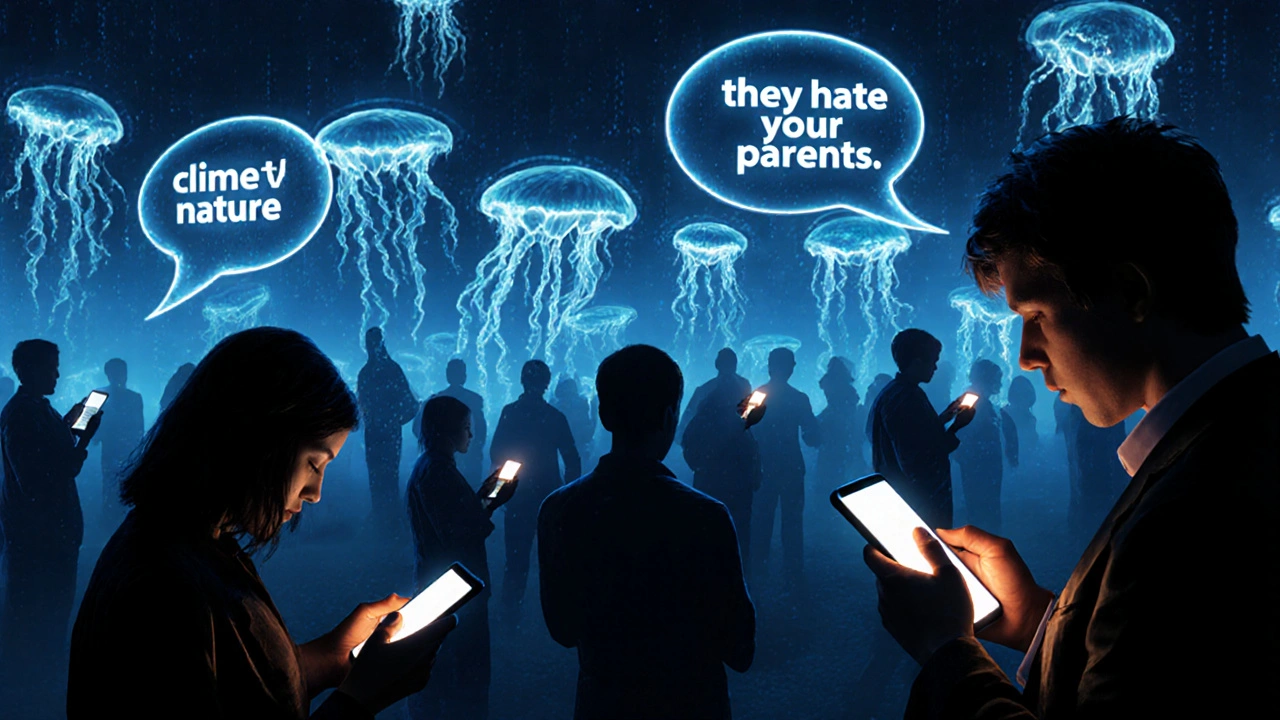
Digital Persuasion: How AI and Psychology Shape Online Marketing
When you see a post that makes you click, a message that changes your mind, or an ad that feels like it was written just for you—that’s digital persuasion, the use of psychological triggers and digital tools to guide online decisions without direct sales pressure. Also known as online influence, it’s not about shouting louder—it’s about speaking in a way that feels familiar, trustworthy, and urgent. This isn’t magic. It’s built on decades of behavioral science, now powered by AI.
Tools like ChatGPT, an AI system that generates human-like text based on context and intent are turning digital persuasion into a scalable skill. Marketers no longer guess what works—they test hundreds of message variations in minutes. ChatGPT helps spot emotional hooks in customer reviews, rewrite bland product descriptions into compelling stories, and even predict which words trigger trust or urgency based on past engagement. It’s not replacing humans—it’s giving them superpowers. Meanwhile, consumer behavior, the study of why people make buying choices online is no longer just about demographics. It’s about micro-moments: the hesitation before clicking, the scroll speed on a feed, the time spent reading a single sentence. These tiny actions reveal more than surveys ever could.
Digital persuasion doesn’t work if it feels manipulative. The best campaigns don’t trick people—they align with what people already believe. That’s why the most effective content today doesn’t push a product. It answers a quiet question: "Is this for me?" AI helps answer that by matching tone, rhythm, and emotional weight to the audience’s real language. You see it in how a Facebook ad uses slang from a comment thread, or how an email subject line mirrors the exact phrasing someone used in a support chat. It’s subtle. It’s smart. And it’s everywhere.
What you’ll find below isn’t a list of random tips. These are real examples of digital persuasion in action—how teams use ChatGPT to build trust, how analytics reveal hidden influence patterns, and how simple tweaks in wording turn browsers into buyers. No fluff. No theory. Just what’s working right now.