
Start With Clear Objectives
Before you spend a single dollar, you need to know exactly where you are going. Many businesses jump straight into Social Media Marketing is a strategy that uses social platforms to connect with customers and build brand awareness. without thinking about what they want to achieve. Are you trying to generate leads? Do you want to boost sales directly, or is brand recognition your main goal?
Use the SMART framework to define your objectives. Your goals must be Specific, Measurable, Achievable, Relevant, and Time-bound. Instead of saying "get more traffic," try "increase website visitors by 20% over the next quarter." This clarity helps you measure success later. If your goal is vague, your campaign results will be equally fuzzy.
Identify Your Target Audience
You cannot sell to everyone. That sounds obvious, yet many campaigns fail because they cast too wide a net. You need to build a detailed buyer persona. Think about who has the problem your product solves. Look at their age, location, income level, and online habits.
Customer Avatar is a semi-fictional representation of your ideal customer based on market research and data. Create a document describing this person. What pain points do they face daily? Where do they hang out on the internet? Do they prefer quick videos on TikTok or long articles on LinkedIn? Understanding these preferences dictates which channels you should use.
Select the Right Marketing Channels
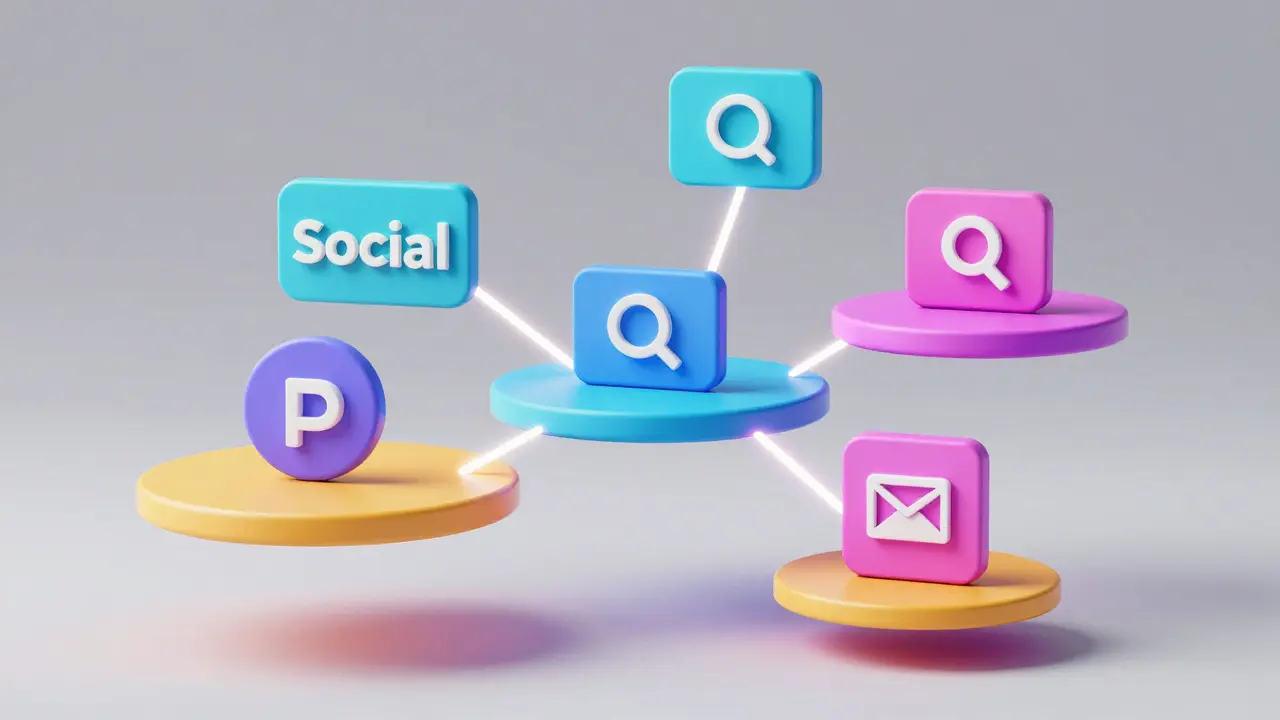
Different channels serve different purposes. You likely won't need every platform available. Analyze where your audience spends time. If you are selling B2B services, LinkedIn is a professional networking platform often used for B2B lead generation and corporate communications. might be your best bet. For visual products like fashion or home decor, Instagram or Pinterest makes sense. Don't rely on just one channel; diversification protects your business if one platform changes its algorithm.
- Search Engine Optimization: Good for long-term organic traffic and credibility.
- Paid Advertising: Provides immediate visibility through Google Ads or Meta Ads.
- Email Marketing: Retains existing customers with high ROI potential.
- Content Marketing: Builds trust and authority over time through blogs or guides.
Mix paid and organic methods. Paid traffic gets you quick wins while you wait for search rankings to climb.
Allocate Your Budget Wisely
A common mistake is spreading the budget too thinly across too many tests. Decide how much you can afford to lose while testing new ideas. A good rule of thumb is to allocate 80% of your budget to proven channels and 20% to experimentation. This balance ensures stability while still allowing for innovation.
Consider the Customer Acquisition Cost (CAC) for each channel. If Facebook ads cost $50 per lead and Email generates leads for $5, prioritize the lower-cost option unless the Facebook leads convert better downstream. Also, remember to factor in the cost of creative assets, copywriting, and management software tools.
Define Key Performance Indicators
Data tells you whether your plan is working. You need to track metrics that align with your goals. If your goal is sales, revenue and conversion rate matter most. If your goal is brand awareness, look at reach and engagement rates.
Conversion Rate is the percentage of users who complete a desired action after interacting with your marketing. Set up tracking correctly before you launch. Install analytics tools on your website. Ensure your pixel tracking is firing on thank-you pages. Without accurate data, you cannot optimize. Regularly review these reports weekly to spot trends early.

Create a Content Calendar
Consistency builds trust. A sporadic posting schedule confuses algorithms and your audience. Map out your content for at least three months ahead. Include post types, headlines, dates, and assigned creators. This prevents last-minute scrambles and ensures quality control.
Vary your content formats. Mix blog posts, short-form video, infographics, and email newsletters. Repurpose a single deep-dive article into several social media posts. This maximizes the value of the effort you put into creating original material.
Launch, Monitor, and Optimize
The campaign doesn't stop when you hit publish. Launching is just the beginning. Monitor performance daily during the first week. Look for anomalies in click-through rates or bounce rates. If an ad isn't performing, pause it immediately to save money. If it is performing well, consider increasing the bid slightly.
Test variables continuously. Change headlines, images, or call-to-action buttons. Small tweaks often yield significant improvements in cost efficiency. After the campaign ends, conduct a full post-mortem. Document what worked and what didn't. Apply those lessons to your next initiative.
How much budget should I start with for an internet marketing campaign?
There is no fixed amount, but small businesses often start with $500 to $1,000 per month for testing. Focus on a single channel initially to learn its mechanics before scaling up.
What is the typical timeline for seeing results?
Paid advertising yields immediate traffic, but measurable sales conversions may take 30 to 90 days. Organic strategies like SEO usually require three to six months to gain momentum.
Which tools are essential for tracking campaign performance?
Google Analytics, UTM builders, and platform-specific dashboards like Meta Business Suite are critical for monitoring traffic sources and user behavior.
Can I run a successful campaign alone without an agency?
Yes, especially for smaller budgets. However, as you scale, hiring specialists for creative or technical tasks can free up your time for strategy.
What should I do if my initial campaign fails?
Review your data to identify bottlenecks. Is it traffic quality, landing page experience, or offer relevance? Adjust one variable at a time rather than changing everything at once.



Write a comment